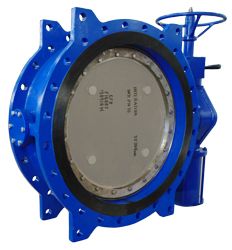
Temperature control valves are essential components in a variety of systems, from industrial processes to residential applications. They ensure that fluid temperatures are maintained within specific limits, contributing to energy efficiency and operational safety. In this article, we will explore the main types of temperature control valves, their applications and benefits.
1. What is a Temperature Control Valve?
One temperature control valve is a device designed to regulate the temperature of fluids in thermal systems. It works by adjusting fluid passage based on temperature measurements, ensuring that the system operates within safe and efficient limits.
These valves can be manual or automatic. To the automatic valves use sensors and actuators to make real-time adjustments, while manuals require human intervention for adjustments. The operation of these valves is crucial in applications that demand precision, such as in industrial processes and heating and cooling systems.
The operating principle is simple: when the fluid temperature reaches a certain point, the valve opens or closes, allowing or restricting the flow. This helps maintain the desired temperature, preventing overheating or excessive cooling.
Additionally, temperature control valves are often used in conjunction with monitoring systems, which provide real-time data on system temperature and performance. This integration is essential to optimize energy efficiency and extend the useful life of equipment.
2. Types of Temperature Control Valves
There are several types of temperature control valves, each designed to meet specific needs in different applications. Choosing the appropriate type is essential to guarantee the efficiency and precision of the system.
One of the most common types is the thermostatic valve. This type of valve uses a temperature-sensitive element that expands or contracts, adjusting the opening of the valve according to the temperature of the fluid. Thermostatic valves are often used in water heating systems and in industrial processes that require precise temperature control.
Another type is the electronic control valve. These valves are equipped with electronic sensors and actuators that allow more precise and real-time control. They are ideal for applications that require quick and continuous adjustments, such as air conditioning and refrigeration systems.
As pneumatic control valves are also an option. They use compressed air to operate and are often used in industrial environments where automation is required. These valves are robust and can handle high pressures and temperatures.
Finally, the manual control valves allow the operator to adjust the temperature manually. Although not as common in automated applications, they are still useful in systems where manual control is preferred or necessary.
3. Applications in Industries and Homes
As temperature control valves They have a wide range of applications in both industries and homes.
In industrial environments, they are essential for controlling processes that involve heating and cooling fluids. For example, in food and beverage factories, these valves ensure that products are processed at safe temperatures, preventing contamination and ensuring quality.
Furthermore, in chemical industries, temperature control valves are used to regulate chemical reactions that depend on specific temperatures. Precise temperature control helps optimize production and avoid accidents such as explosions or unwanted reactions.
In the air conditioning sector, control valves are fundamental in air conditioning and heating systems. They adjust the temperature of the air that circulates in environments, providing thermal comfort and energy efficiency. This is especially important in large commercial buildings, where temperature control can significantly impact operating costs.
In homes, temperature control valves are often found in water heating systems such as flow heaters. They ensure that water reaches the desired temperature before being supplied to points of use, such as showers and taps. This not only improves user comfort, but also contributes to energy savings.
Additionally, in irrigation systems, control valves help regulate the temperature of the water used, ensuring that plants receive the ideal amount of heat and humidity. This application is crucial for agriculture, where adequate temperature control can directly influence crop productivity.
4. Benefits of Using Temperature Control Valves
The use of temperature control valves It brings several benefits to both industries and residential applications. One of the main benefits is the precise temperature control. This is essential in processes that require specific conditions to guarantee the quality of the final product, such as in the food and pharmaceutical industries.
Another important benefit is the energy efficiency. With adequate temperature control, it is possible to avoid wasting energy, resulting in significant savings on electricity bills. This is especially relevant in air conditioning systems, where adjusting the temperature can reduce energy consumption by up to 30%.
Additionally, temperature control valves help to extend the useful life of equipment. By keeping temperatures within safe limits, they prevent damage and premature wear to machines and systems. This reduces the need for maintenance and replacement of equipment, generating long-term savings.
Valves also contribute to the operational security. In industrial processes, temperature control is crucial to avoid accidents, such as explosions or unwanted chemical reactions. With an efficient control system, it is possible to minimize risks and ensure a safer working environment.
Finally, the use of these valves allows for a greater flexibility in the processes. They can be quickly adjusted to meet different production demands or changing environmental conditions, making systems more adaptable and responsive.