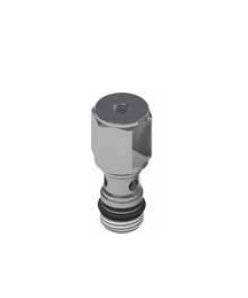
Liquid control valves play a crucial role in industrial automation. Allowing precise management of fluid flow in various systems. In this article, we will explore the characteristics, applications and benefits of these valves. In addition to how they can improve operational efficiency in your company.
1. What is a liquid control valve?
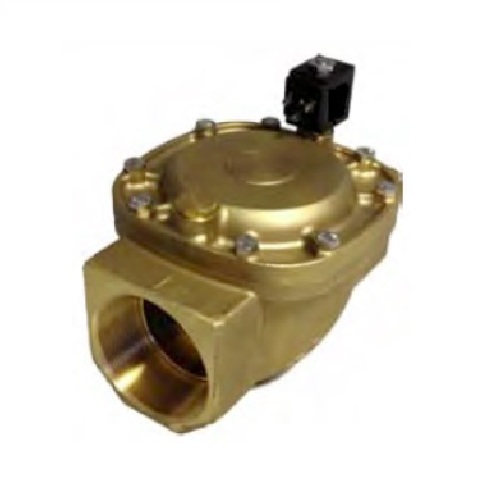
A liquid control valve It is a device designed to regulate the flow of liquids in industrial systems. It acts as a control mechanism, allowing the operator to adjust the amount of liquid that goes through a certain point of the system.
The basic operation of these valves involves opening and closing a hole, which can be manually or automatically controlled. These valves They are essential to ensure efficiency and safety in processes involving liquids, such as in chemical, petrochemical and food industries.
Furthermore, they can be triggered by different methods, such as pressure, temperature or liquid level, depending on the specific application.
O design Liquid control valves may vary, including models such as ball valves, globe valves and butterfly valves, each with its own specific characteristics and advantages.
Proper use of these valves is critical to optimizing system performance and avoiding waste.
Definition and basic operation of liquid control valves.
Liquid control valves These are essential devices in industrial automation systems, designed to regulate fluid flow.
The basic operation of these valves involves manipulating a hole that controls the passage of the liquid, allowing accurate adjustments in the flow.
These valves They can be operated manually or automatically, depending on system needs.
When triggered By an electrical, pneumatic or hydraulic signal, they adjust the opening of the hole, thus controlling the amount of fluid that flows.
The main types Control valves include globe valves, sphere valves and butterfly valves, each with specific characteristics that make it suitable for different applications.
Furthermore, the choice of valve type should consider factors such as pressure, temperature and type of liquid, ensuring that the system operates efficiently and safely.
2. Applications of liquid control valves in the industry
As liquid control valves They are widely used in various industrial sectors, playing a crucial role in process automation.
In the chemical industry, for example, these valves are essential to regulate reagent dosage in reactors, ensuring accuracy in chemical reactions.
In the petrochemical sector, they control the flow of oil and their derivatives, optimizing production and minimizing losses.
In food and beverage industries, the liquid control valves ensure that the ingredients are mixed in the correct proportion, maintaining the quality of the final product.
FurthermoreIn heating and cooling systems, these valves help maintain the ideal temperature by adjusting the flow of water or steam.
Other sectors, as a pharmacist and paper and pulp, also benefit from the use of these valves, which provide efficiency and safety in production processes.
Main sectors that use liquid control valves and their practical applications.
As liquid control valves They are fundamental in various industrial sectors, each with its own specific applications.
In the chemical industryThese valves are used to regulate the dosage of chemicals into reactions, ensuring the necessary accuracy for the safety and efficiency of the process.
In the oil and gas sector, they control the flow of hydrocarbons, optimizing extraction and transportation.
In food industries, the control valves guarantee the proper mix of ingredients, maintaining the quality and safety of the products.
FurthermoreIn the pharmaceutical industry, these valves are essential for fluid control in medicine manufacturing processes, where accuracy is critical.
FinallyIn HVAC (heating, ventilation and air conditioning) systems, liquid control valves help regulate temperature and moisture, providing comfort and energy efficiency.
3. Benefits of liquid control valves
As liquid control valves They offer a number of significant benefits in pneumatic and hydraulic systems.
Firstly, they allow precise control of fluid flow, which is essential for operational efficiency. This means that companies can optimize their processes, reducing waste and improving the quality of the final product.
FurthermoreThese valves help maintain system safety by avoiding excessive pressures and leaks that can cause damage and risk.
Another important benefit It is the versatility of the control valves, which can be adapted to different types of fluids and operating conditions.
Finally, the automation provided by these valves facilitates the integration with control systems, allowing real -time monitoring and adjustments, resulting in greater efficiency and reduction of operating costs.
Advantages of using liquid control valves in pneumatic and hydraulic systems.
As liquid control valves They offer several advantages in pneumatic and hydraulic systems, becoming essential components for operational efficiency.
One of the main advantages It is the ability to regulate the flow of liquids with high precision, which is crucial to maintaining the quality and consistency of processes.
FurthermoreThese valves help to avoid waste, allowing companies to use only the necessary amount of liquid, which results in resource saving.
Another significant benefit It is the safety they provide as they help control the pressure within the system, preventing damage and leaks that can cause damage.
Control valves They are also versatile and can be adapted to different applications and fluid types, which makes them ideal for a wide range of industries.
Finally, automation of these valves facilitates integration with control systems, allowing real -time adjustments and improving the overall system efficiency.
4. How to choose the ideal liquid control valve
Choose the ideal liquid control valve It involves considering several important factors to ensure that the device meets the specific needs of your system.
Firstly, it is essential to evaluate the type of liquid that will be controlled. Different liquids have different properties, such as viscosity and corrosivity, which can influence valve choice.
Furthermore, pressure and operating temperature are crucial factors. It is important to select a valve that supports the pressure and temperature conditions of your system to avoid failures.
Another aspect to consider It is the valve activation method. There are manual, pneumatic and electric options, each with its advantages and disadvantages.
FinallyIt is recommended to check valve compatibility with the existing automation system, ensuring that it can be easily integrated.
Follow these criteria It will help ensure proper choice, resulting in efficiency and safety in your process.
Criteria for selecting the right liquid control valve for your specific needs.
Select the proper liquid control valve It requires careful analysis of various criteria.
First, it is essential to consider the type of liquid that will be controlled. Corrosive liquids, for example, require specific materials that resist corrosion.
Second, pressure and operating temperature are critical factors. The valve should be able to support system conditions without failure.
Furthermore, the valve size should be compatible with the tube diameter and the desired flow rate.
Another important aspect It is the drive method. Manual, pneumatic or electrical valves have different applications and costs.
Finally, compatibility with existing automation systems should be verified, ensuring that the valve can be integrated without problems.
Follow these criteria It will help ensure that the chosen valve meets the specific needs of your process.