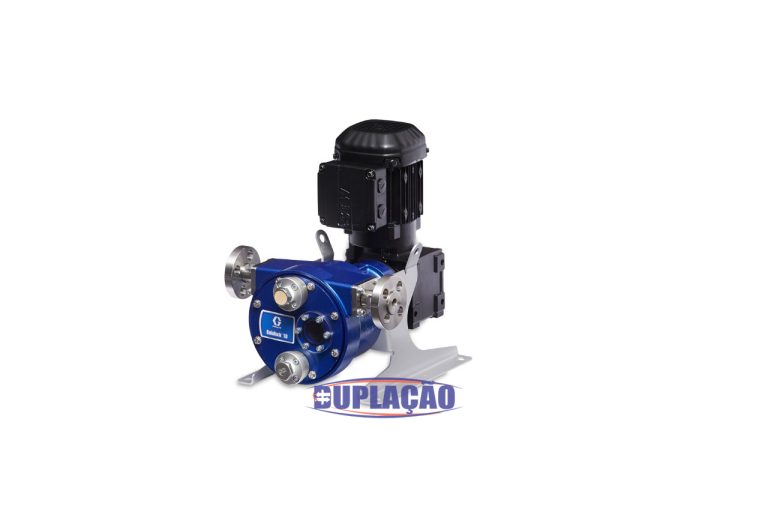
The relief valve is an essential component in pneumatic systems, designed to protect equipment and ensure operational safety. In this article, we will explore its functions, applications and the importance of choosing the right valve for your needs.
1. What is a Relief Valve?
A relief valve is a device designed to control pressure in pneumatic and hydraulic systems. Its main objective is to prevent pressure from exceeding a safe limit, thus protecting equipment and ensuring operational safety. When the pressure reaches a critical level, the valve opens automatically, allowing fluid to escape and reducing internal pressure.
These valves are essential in many industrial applications where pressure can vary significantly. They are designed to operate reliably and quickly, ensuring the system remains within safe operating parameters.
There are different types of relief valves, including spring-loaded valves, which use a spring to keep the valve closed until the pressure reaches a certain point. Additionally, relief valves can be adjusted to open at different pressures depending on the specific needs of the system.
In summary, the relief valve is a critical component that plays a vital role in the safety and efficiency of pneumatic and hydraulic systems, preventing equipment failures and damage.
2. Relief Valve Applications
A relief valve It is widely used in various industries due to its importance in safety and operational efficiency. One of the main applications is in air compression, where the valve protects compressors against overpressure, preventing damage to the equipment and ensuring safe operation.
Furthermore, relief valves are essential in Hydraulic systems, such as in heavy machinery and construction equipment. They help regulate hydraulic fluid pressure, preventing catastrophic failures that can occur due to excessive pressure build-up.
Another sector that benefits from relief valves is the chemical processes. In reactors and storage tanks, these valves ensure that internal pressure does not exceed safe limits, preventing explosions and dangerous leaks.
Relief valves are also used in heating systems, such as boilers, where steam pressure must be controlled to avoid accidents. They ensure that excess steam is released safely, maintaining operation within the desired parameters.
In summary, relief valve applications are diverse and crucial to safety and efficiency in various industries, from automation to the protection of critical equipment.
3. Benefits of the Relief Valve
A relief valve offers several benefits that are crucial to the safety and efficiency of pneumatic and hydraulic systems. One of the main benefits is the overpressure protection. By releasing excessive pressure, the valve prevents damage to equipment and systems, extending their useful life.
Another important benefit is the maintaining operational safety. In industries where pressure is a critical factor, the relief valve ensures that safety limits are respected, preventing accidents and guaranteeing the integrity of workers and the environment.
Furthermore, the relief valve contributes to the energy efficiency. By regulating pressure effectively, it helps optimize systems energy consumption, resulting in long-term operational cost savings.
Relief valves are also essential for process reliability. With proper functioning, they ensure that systems operate continuously and without interruptions, which is essential in industrial environments where production cannot be compromised.
Finally, the installation of relief valves is a requirement in many safety codes and regulations. This means that, in addition to their operational benefits, they also help companies comply with safety standards, avoiding fines and penalties.
4. How to Choose the Ideal Relief Valve
Choose the ideal relief valve is fundamental to ensuring the safety and efficiency of a system. To do this, it is necessary to consider some important factors. First, it is essential to determine the operating pressure of the system. The valve must be selected based on the maximum pressure the system can reach, ensuring that it opens before this pressure is exceeded.
Another aspect to be considered is the Type of fluid that will be used. Relief valves are designed for different types of fluids, such as air, water or chemical fluids. The compatibility of the valve material with the fluid is crucial to prevent corrosion and failure.
Furthermore, it is important to evaluate the size and capacity of the valve. The valve must be correctly sized to allow adequate pressure release without causing flow restrictions. This ensures that the system works efficiently.
Another factor to consider is the drive type. There are manual and automatic relief valves. Automatic ones are more common in industrial systems, as they offer greater convenience and safety. Choosing between these types will depend on the specific needs of the system.
Finally, it is recommended to consult the Standards and Regulations applicable to the sector. Many industries have specific requirements for relief valves, and ensuring compliance with these standards is essential to the safety and proper operation of the system.