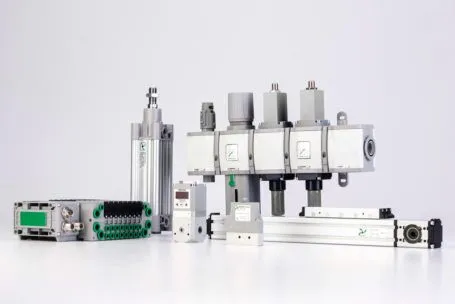
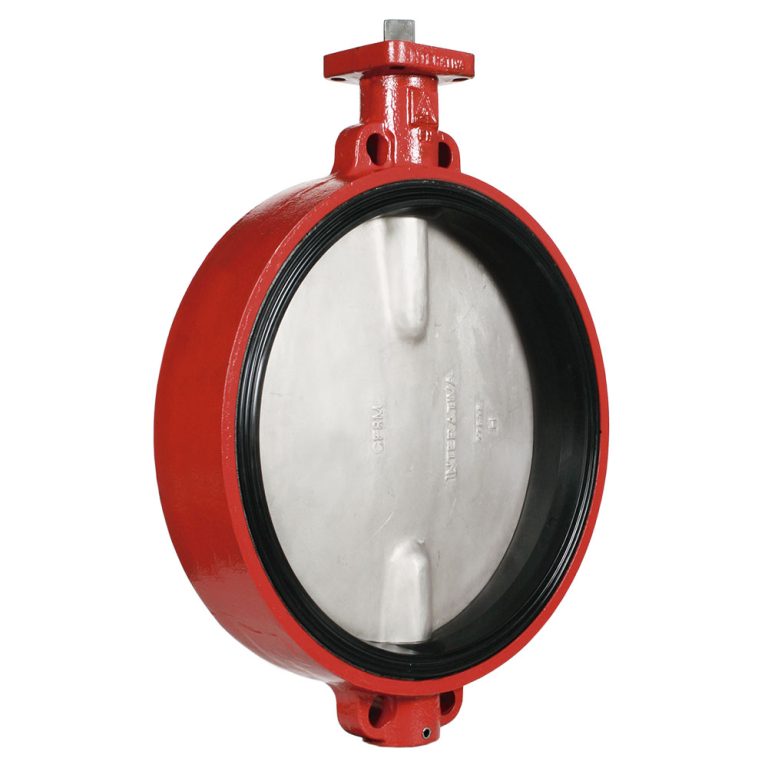
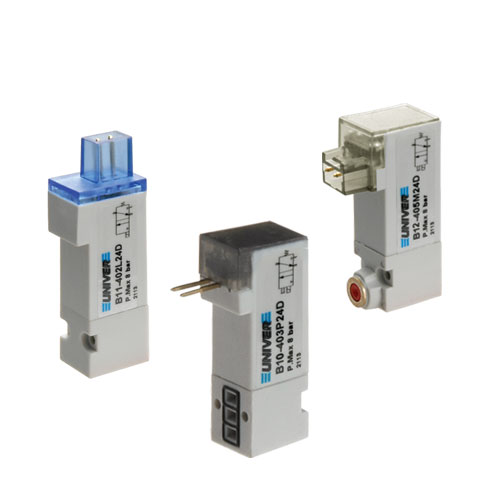
The drive valves are essential components in pneumatic systems, responsible for controlling airflow and actuators operation. In this article, we will explore its characteristics, applications and the importance of choosing the right valve to ensure efficiency and safety in industrial processes.
What is an drive valve?
One drive valve It is a mechanical device that controls air flow or fluids in pneumatic and hydraulic systems. These valves are essential for industrial process automation, allowing machines and equipment to operate efficiently and safely.
The operation of an drive valve is based on a mechanism that can be electric, pneumatic or hydraulic. When triggered, the valve opens or closes, allowing or blocking the flow of fluid. This is crucial for the control of movements in actuators, such as pneumatic cylinders and hydraulic engines.
There are different types of drive valves, each designed to meet specific needs. For example, 2/2 road valves control the flow into a single direction, while the 5/2 -way valves are used to control bidirectional cylinder movement. The choice of valve type depends on the system to which it will be applied and the characteristics of the fluid that will be controlled.
In addition, drive valves can be manual or automatic. Manuals require human intervention to operate, while automatic can be controlled by sensors and control systems, increasing process efficiency and accuracy.
In short, drive valves are fundamental components in automation systems, playing a crucial role in flow control and industrial equipment operation.
Types of drive valves
There are several Types of drive valveseach designed to meet specific needs in pneumatic and hydraulic systems. Choosing the correct type is critical to ensuring system efficiency and safety.
As valves of 2/2 vias They are the simplest and most common. They have two ports and can be used to control the flow into a single direction. These valves are ideal for applications where control of a single actuator is required.
As valves of 3/2 vias They are used in systems that require more complex control. They have three ports and can be used to switch the flow between two actuators or to control an actuator with a return function. This type of valve is often found in pneumatic cylinders.
As valves of 5/2 vias They are designed to control double cylinders, allowing the actuator to move in both directions. They are essential in applications that require alternate movements, such as packaging machines and industrial automation.
In addition, there are valves proportional, which allow more precise control of flow and pressure. These valves are often used in systems that require fine adjustments, such as painting processes or plastics injection.
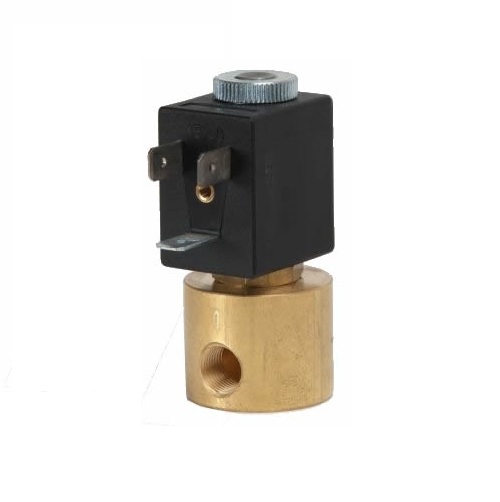
In electric They are triggered by an electrical signal and are ideal for automated systems. They can be integrated into control systems, allowing remote operation and real -time monitoring.
Finally, the valves manuals require human intervention to operate. They are simple and reliable and are often used in applications where automatic control is not required.
How to choose the ideal drive valve
Choose the ideal drive valve It is a crucial step in ensuring the efficiency and safety of a pneumatic or hydraulic system. There are several factors to be considered during this selection process.
First, it is important to understand the specific application valve. Different applications require different types of valves. For example, if the valve will be used to control a pneumatic cylinder, 5/2 vias It can be the best choice as it allows bidirectional control of the actuator.
Another factor to consider is the Type of fluid that the valve will control. Compressed air valves may not be suitable for corrosive or viscous fluids. Therefore, it is essential to verify the specifications of the valve material and ensure it is compatible with the fluid in question.
A operating pressure It is also an important criterion. Each valve has a maximum and minimum pressure range. It is essential to choose a valve that supports system pressure to avoid failure and ensure operational safety.
In addition, the FACILITY OF INSTALLATION AND MAINTENANCE must be taken into account. Some valves are easier to install and require less maintenance than others. This can impact inactivity time and long -term operating costs.
Finally, consider Integration with automation systems. If the valve will be part of an automated system, it is important to choose one that can easily be integrated with existing controllers and sensors. Electric valves, for example, are ideal for automated applications.
Maintenance and care of drive valves
A maintenance and care with drive valves They are essential to ensure the efficient and safe functioning of pneumatic and hydraulic systems. Lack of maintenance can lead to operational failures, increasing costs and inactivity time.
One of the first steps in maintenance is to perform regular inspections. This includes checking for leaks, wear or visible damage to the valves. Inspecting connections and hoses is also crucial as leaks can compromise system efficiency.
In addition, it is important Clean the valves periodically. Dirt and contaminants can affect valve performance and cause obstructions. Using proper cleaning products and following the manufacturer's recommendations is critical to prevent damage.
Another aspect to consider is the lubrication. Some valves may require regular lubrication to ensure smooth functioning. Check manufacturer's specifications to find out which lubricants are appropriate and how often they should be applied.
In addition, the Operating Pressure Verification It is an important part of maintenance. Make sure the system pressure is within the recommended limits to avoid overloads that may damage the valve.
Finally, it is recommended Train the team Responsible for the operation and maintenance of the valves. A good understanding of how valves work and what care should be taken can prevent many problems and ensure equipment longevity.