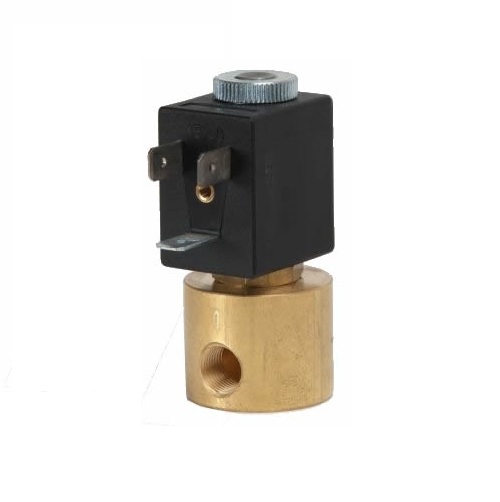
Automation units are essential components in modern industrial systems, allowing efficient process integration and control. By utilizing advanced technologies such as pneumatic actuators and valves, companies can achieve a higher level of automation, resulting in greater productivity and reliability.
What is an Automation Unit?
One automation unit is a system designed to efficiently control and monitor industrial processes. These units integrate various components, such as sensors, actuators, and controllers, to automate tasks that would otherwise be performed manually. The main objective is to increase efficiency and precision in operations.
Automation units can vary in complexity, from simple systems that control a single machine to more complex solutions that manage an entire production line. They use advanced technologies, such as logic programming e artificial intelligence, to optimize performance and real-time decision making.
Furthermore, automation units are essential for collecting data, allowing companies to analyze the performance of their operations and identify areas for improvement. With automation, it is possible to reduce human errors and increase safety in the workplace.
Benefits of Industrial Automation
A industrial automation brings a series of significant benefits to companies that adopt it. One of the main benefits is the increased efficiency. With automation, machines and systems can operate continuously, without the need for breaks, resulting in greater production in less time.
Another important benefit is the error reduction. Automation minimizes human intervention, which reduces the likelihood of failures and inconsistencies in processes. This is especially crucial in industries where precision is vital, such as electronic component manufacturing.
Furthermore, automation contributes to job security. By delegating dangerous tasks to machines, companies can protect their employees from risks such as exposure to chemicals or operating in high-temperature environments.
Another positive aspect is the reduction of operating costs. Although the initial implementation of automated systems may be high, in the long run, companies save on labor and increase their profit margin. Automation also allows for better use of resources, such as energy and materials, resulting in less waste.
Finally, industrial automation facilitates data collection in real time. This allows companies to analyze the performance of their operations and make quick adjustments, continually improving their processes and products.
Main Components of an Automation Unit
One automation unit It is made up of several essential components that work together to optimize industrial processes. Among the main components, the following stand out:
- Programmable Logic Controllers (PLCs): These devices are the brain of the automation unit. They receive input signals from sensors and, based on their programming, send commands to actuators and other devices.
- Sensors: Sensors are responsible for detecting specific conditions in the environment, such as temperature, pressure and the presence of objects. They provide crucial data for the functioning of the automated system.
- Actuators: Actuators are devices that perform physical actions, such as opening or closing valves, moving pneumatic cylinders or starting motors. They are activated by PLC commands, allowing the execution of automated tasks.
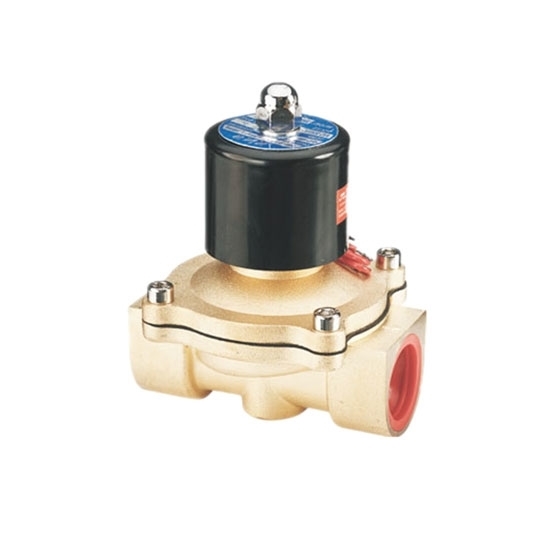
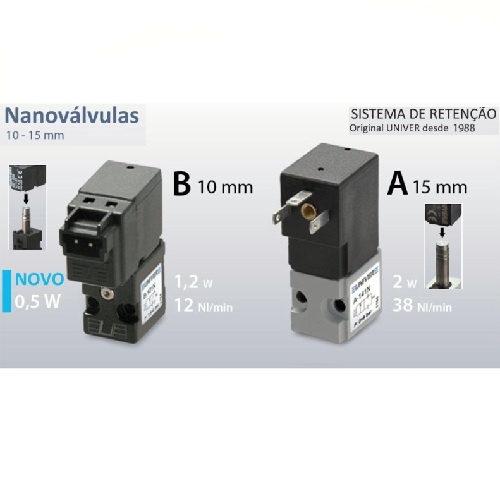
- Valves: Valves control the flow of fluids in pneumatic and hydraulic systems. They can be operated electrically or pneumatically and are essential for precise process control.
- Human-Machine Interfaces (HMI): HMIs allow operators to interact with the automation system. They display information in real time and allow manual process control if necessary.
These components work together to ensure that the automation unit operates efficiently and reliably, providing precise control over industrial processes.
Practical Applications in Industries
As practical applications of automation units are vast and varied, covering different industrial sectors. Below are some of the main applications:
- Manufacturing Industry: In manufacturing, automation units are used to control production lines. This includes product assembly, packaging and quality control. Automation allows for faster production with fewer errors.
- Food sector: In food factories, automation is applied for processing, packaging and temperature control. Automated systems ensure that products are processed safely and efficiently, meeting hygiene and quality standards.
- Pharmaceutical: Automation is crucial to ensuring precision in drug dosing and manufacturing process control. This helps maintain compliance with strict regulations and ensure product safety.
- Automotive Sector: In the automotive industry, automation is widely used in vehicle assembly. Automated robots perform tasks such as welding, painting and component assembly, increasing efficiency and quality of the final product.
- Water treatment: Automation systems are used in water treatment plants to monitor and control processes such as filtration, disinfection and distribution. This ensures that the treated water meets quality standards.
These applications demonstrate how automation units can transform industrial operations, increasing efficiency, safety and product quality.