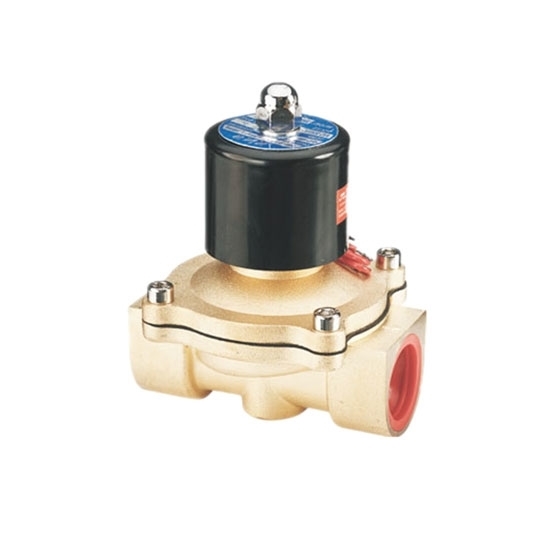
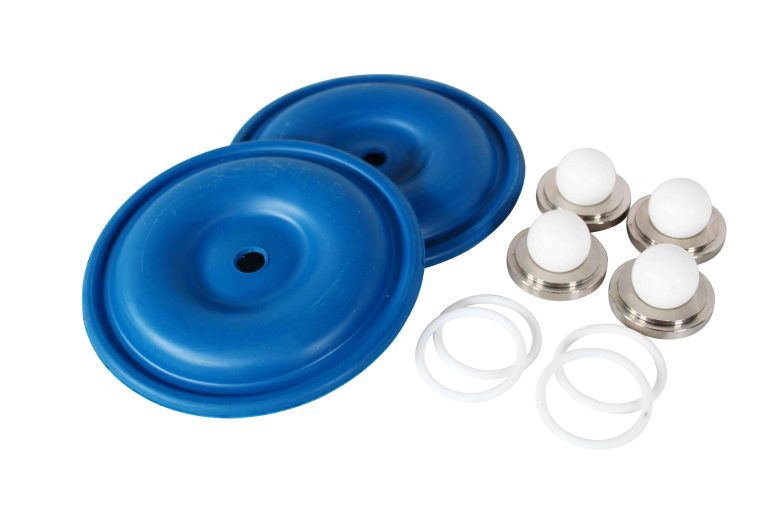
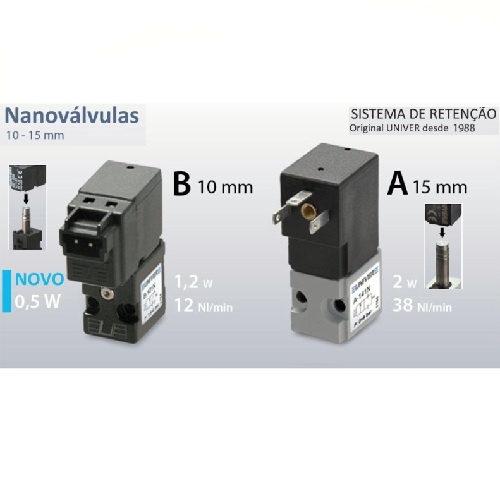
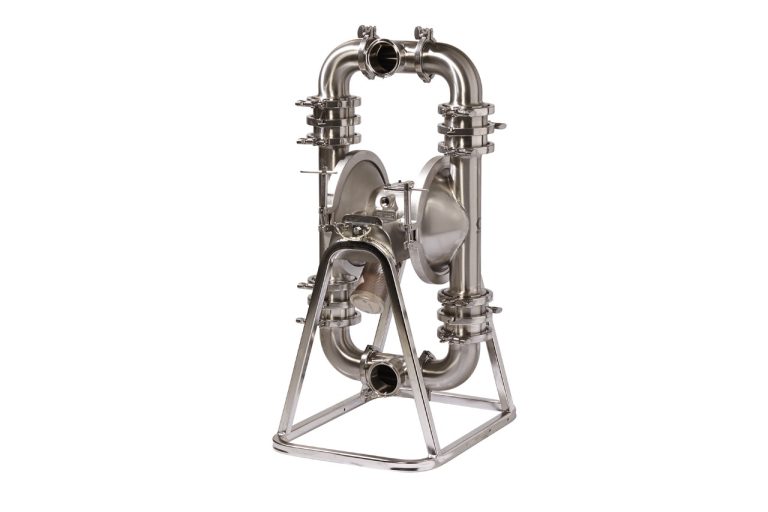
A pilot diaphragm solenoid valve consists of two main parts: the main diaphragm and the pilot. The diaphragm is a flexible membrane that separates the inlet and outlet of the valve. The pilot is a small valve controlled by a solenoid that regulates the pressure of the fluid acting on the diaphragm.
When the solenoid coil is energized, it creates a magnetic field that attracts a moving core, opening the pilot valve. This allows control fluid, usually compressed air, to be directed to a pressure chamber at the top of the main diaphragm. The fluid pressure in the upper chamber overcomes the fluid pressure at the valve inlet, forcing the diaphragm to lift and allowing fluid to flow through the valve.
When the solenoid coil is de-energized, the pilot valve closes and the pressure in the upper chamber is released. This allows fluid pressure at the valve inlet to push the diaphragm back to its initial position, closing the valve and stopping fluid flow.
Pilot diaphragm solenoid valves are often used in systems where it is necessary to control fluid flow quickly and accurately, such as in irrigation systems, industrial process control systems and water treatment systems. They offer reliable operation and are capable of handling a variety of fluids and operating conditions.
Know more: