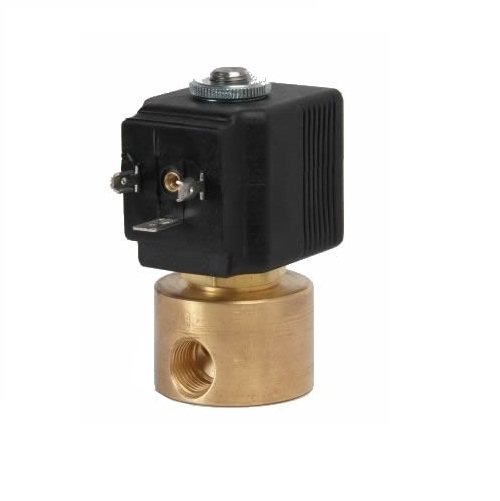
Input voltage is a crucial factor in pneumatic systems as it determines the efficient operation of valves and actuators. In this article, we will explore the importance of input voltage, its specifications, and how it affects the performance of pneumatic equipment. Understanding these aspects is essential to optimize industrial processes and ensure system reliability.
Input Voltage Setting
A input voltage refers to the level of electrical voltage that is supplied to a pneumatic system. This voltage is essential for the proper functioning of components such as Valves e actuators. In pneumatic systems, input voltage may vary depending on the type of equipment and manufacturer specifications.
Typically, input voltage is measured in volts (V) and must be within a specific range to ensure devices operate efficiently. For example, many pneumatic actuators operate with input voltages of 24V, while others may require voltages of 110V or 220V. It is essential to consult the equipment manual to determine the correct voltage.
Furthermore, the input voltage must be stable and free from fluctuations, as variations can cause device failures. Inadequate tension can result in performance below expectations, compromising the efficiency of the pneumatic system.
Importance of Input Voltage in Pneumatic Systems
A input voltage is a critical factor for the efficient operation of pneumatic systems. It ensures that components, such as Valves e actuators, operate within designed specifications. When the input voltage is correct, devices can perform their functions effectively, resulting in optimized performance.
Furthermore, proper input voltage helps avoid problems such as overheating e premature failures on equipment. If the voltage is too low, devices may not function properly, leading to inefficient operation. On the other hand, excessive voltage can damage components, reducing their useful life.
Another important point is that the input voltage directly influences the productivity of the system. Systems that operate with the correct voltage tend to have fewer unscheduled stops, which results in greater operational efficiency. Therefore, monitoring and maintaining input voltage within recommended parameters is essential to ensure the reliability and effectiveness of pneumatic systems.
Input Voltage Technical Specifications
As technical specifications input voltage are essential for the correct functioning of pneumatic systems. These specifications include the rated voltage, which is the ideal voltage value that should be supplied to the equipment. For example, many pneumatic actuators operate at voltages of 24V, while others may require 110V or 220V, depending on the design.
In addition to voltage, it is important to consider the frequency of the input voltage, which is generally 50Hz or 60Hz, depending on the region. The correct frequency is essential to ensure components work synchronously and efficiently.
Another aspect to be noted is the tolerance of the input voltage. Most equipment has a tolerance range that allows for small variations in voltage. For example, an actuator designed for 24V can operate safely over a range of 20V to 28V. Exceeding this range may result in equipment damage.
Finally, the stability of the input voltage is crucial. Voltage fluctuations or peaks can cause device failure, compromising the operation of the pneumatic system. Therefore, it is recommended to use voltage stabilizers or quality power supplies to ensure a constant and reliable supply.
Effects of Input Voltage on Equipment Performance
A input voltage has a significant impact on the equipment performance tyres. When the supplied voltage is within the ideal range, the devices operate efficiently, ensuring that the Valves e actuators perform their functions correctly. This results in smooth and continuous operation of the system.
On the other hand, a inadequate tension can lead to several problems. If the voltage is too low, equipment may not have enough power to perform its tasks, resulting in operational failures. This can cause production delays and increase operating costs.
Furthermore, excessive tension can cause permanent damage to the components. Overheating is one of the main risks associated with high voltages, which can lead to circuit burnout and the need to replace parts. This not only generates additional costs, but can also result in unscheduled downtime, affecting productivity.
Another important effect of input voltage on performance is the system stability. Fluctuations in voltage can cause fluctuations in equipment operation, resulting in inconsistent performance. To avoid these problems, it is essential to monitor the input voltage and use protection devices, such as stabilizers and filters.
Tips for Optimizing Industrial Processes
To optimize the industrial processes that use pneumatic systems, it is essential to pay attention to the input voltage. Here are some practical tips:
1. Monitor Input Voltage: Use multimeters and monitoring devices to ensure that the supplied voltage is always within the recommended range. This helps prevent equipment failures and damage.
2. Use Voltage Stabilizers: Installing voltage stabilizers can protect equipment against fluctuations. These devices ensure that voltage remains constant, improving efficiency and component life.
3. Perform Regular Maintenance: Preventive maintenance is crucial. Regularly check electrical connections and pneumatic components to ensure everything is working properly. This can prevent problems before they occur.
4. Train the Team: Train operators and technicians on the importance of input voltage and how it affects systems performance. A well-trained team can identify and resolve problems quickly.
5. Document the Specifications: Keep a record of the technical specifications of each equipment. This makes it easier to identify problems and make necessary adjustments to the input voltage.
By following these tips, it is possible to increase the efficiency of industrial processes, reduce costs and extend the useful life of pneumatic equipment.