Adjustment voltage is a fundamental concept in pneumatic systems and industrial automation. Understanding its importance and how to apply it correctly can result in significant improvements in process efficiency and safety. In this article, we will cover the main aspects of tuning voltage, its practical applications and tips for optimization.
What is Adjustment Voltage?
A adjustment tension refers to the pressure or force applied to pneumatic systems to ensure the proper functioning of equipment. This voltage is crucial to the performance of valves, actuators and other pneumatic components. In simple terms, it is the amount of pressure that must be adjusted for a system to operate efficiently.
In pneumatic systems, adjustment voltage is often used to regulate the speed and force of actuation of devices. For example, in a pneumatic actuator, the adjustment voltage determines how quickly the actuator moves and the force it exerts. This is essential for applications that require precision and control, such as industrial automation.
Furthermore, the adjustment voltage can directly impact the energy efficiency of the system. Improper adjustment can lead to excessive compressed air consumption, resulting in higher operating costs and lower efficiency. Therefore, understanding and correctly applying the adjustment voltage is fundamental to optimizing the performance and sustainability of pneumatic systems.
Importance of Adjustment Voltage in Automation
A adjustment tension plays a vital role in industrial automation as it ensures systems operate efficiently and safely.
When the adjustment voltage is set correctly, it allows actuators and valves to function accurately, resulting in faster, more reliable processes.
One of the main benefits of tension adjustment is the performance optimization. Systems that operate with the appropriate adjustment voltage can maintain the speed and force necessary to perform specific tasks. This is especially important on production lines, where efficiency is crucial to meeting market demand.
Furthermore, the adjustment voltage directly influences the Durability of equipment. Improper adjustment can lead to premature wear and component failure, increasing maintenance and replacement costs. Therefore, ensuring the adjustment voltage is correct not only improves efficiency but also extends the life of the equipment.
Another important aspect is the operational security. Improperly adjusted pneumatic systems can result in accidents such as leaks or unexpected failures. Proper tuning voltage helps minimize these risks by ensuring systems operate within safe parameters.
Practical Applications of Adjustment Voltage
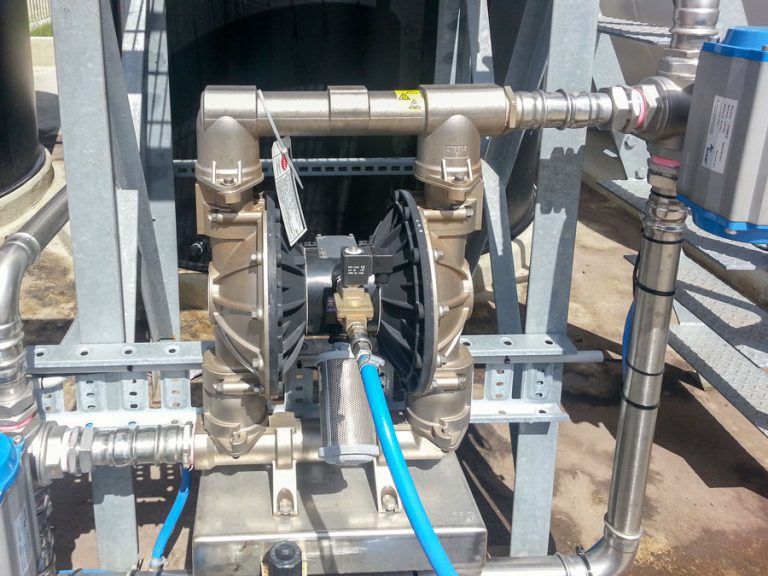
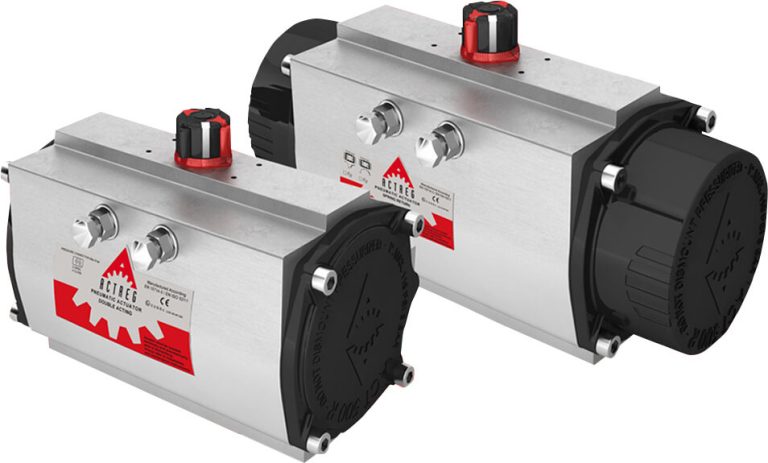
A adjustment tension It is widely used in several practical applications within industrial automation. A clear example is in pneumatic actuators, where the adjustment voltage determines the force and speed with which the actuator moves. This is essential in processes that require precision, such as assembling parts on production lines.
Another important use of adjustment voltage is in control valves. The adjusted pressure allows the valves to regulate the flow of air or fluids effectively. This is crucial in systems that need to maintain specific conditions, such as temperature and pressure, to guarantee the quality of the final product.
Furthermore, the adjustment voltage is applied in industrial, where the correct pressure is required to obtain uniform, high-quality coverage. Improper adjustment can result in paint application failures, affecting the aesthetics and durability of the finish.
In the food industry, the adjustment voltage is also vital. In packaging systems, for example, pressure must be adjusted to ensure that products are sealed correctly, preventing contamination and extending the shelf life of the food.
These applications demonstrate how adjustment voltage is critical to efficiency and safety across a variety of industries. Precise adjustments not only improve performance, but also ensure the quality and reliability of industrial processes.
Tips for Optimizing Adjustment Voltage
To ensure that the adjustment tension is always optimized, some practices can be followed. Firstly, it is essential to carry out regular maintenance in pneumatic systems. This includes checking connections, hoses and components to prevent leaks that could affect pressure.
Another important tip is to use accurate measuring instruments to monitor pressure. Pressure gauges and sensors must be calibrated frequently to ensure correct readings. This helps you adjust the tension more effectively.
In addition, it is recommended document the adjustments made. Keeping a record of voltage settings and operating conditions can help identify patterns and further optimize processes. This practice is useful for understanding how different adjustments affect performance over time.
Another strategy is to carry out performance tests after tension adjustments. This may include observing the speed and force of actuators, as well as the efficiency of valves. Regular testing helps ensure systems operate within desired parameters.
Finally, it is important Train the team that operates the pneumatic systems. A good understanding of how tuning voltage affects performance can lead to more accurate adjustments and more efficient operation. Continuous training is essential for optimizing industrial processes.