Gas suction is a fundamental process in several industries, being essential for the movement and control of gases in pneumatic and automation systems. In this article, we will explore what gas suction is, its practical applications, and how to ensure efficient performance.
What is Gas Suction? – Definition and basic principles of gas suction, including the components involved in the process.
Gas suction is a process that involves the removal of gases from a given space or system. This process is fundamental in several industrial applications, where the controlled movement of gases is necessary.
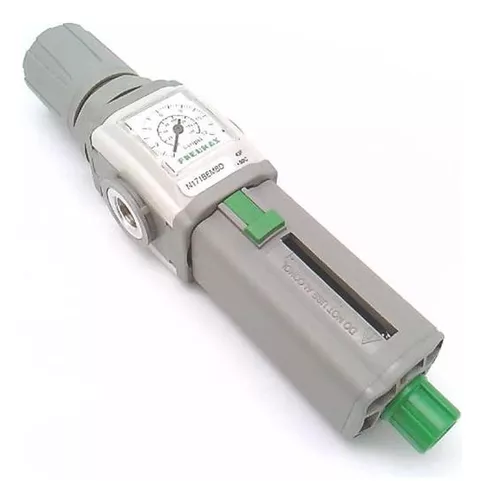
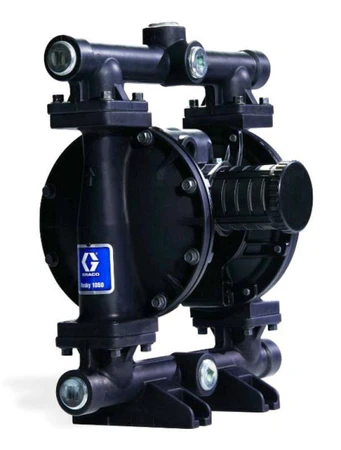
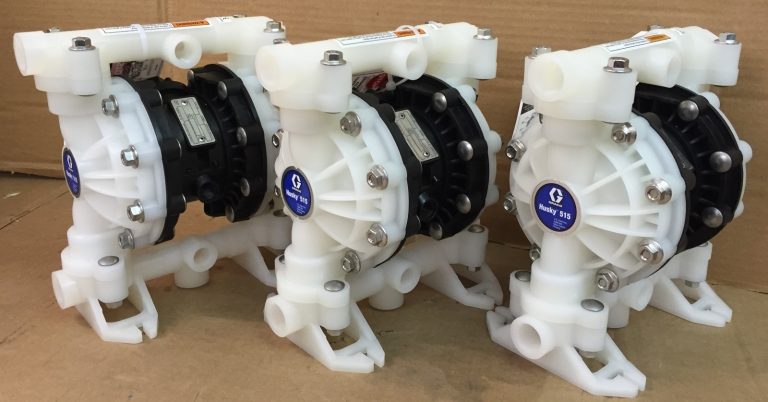
The main components involved in gas suction include pneumatic pumps, Valves e actuators. These tools work together to ensure gas is transported efficiently and safely.
As pneumatic pumps are responsible for creating the negative pressure necessary for suction. They can be of different types, such as diaphragm or reeds, depending on the specific application. To the Valves control the flow of gas, allowing it to enter or leave the system as needed. Already the actuators são utilizados para automatizar o processo, garantindo que as operações sejam realizadas de forma precisa e eficiente.
Além disso, a sucção de gás é amplamente utilizada em indústrias como a petrochemistry, onde é essencial para o transporte de gases combustíveis. Na pharmaceutical, a sucção é utilizada para garantir a remoção de gases indesejados durante a fabricação de medicamentos. Por fim, na automation, a sucção de gás é crucial para o funcionamento de sistemas que dependem de controle preciso de pressão e fluxo.
Understanding the basic principles of gas suction and the components involved is essential to optimize industrial processes and ensure the safety and efficiency of operations.
Applications of Gas Suction in Industry – Exploration of the main industries that use gas suction, such as petrochemicals, pharmaceuticals and automation.
Gas suction is a process widely used in several industries, playing a crucial role in the movement and control of gases.
Na petrochemical industry, gas suction is essential for the transport of combustible gases and vapors, ensuring that refining and production processes occur safely and efficiently. Pneumatic pumps are often used to create the pressure necessary to remove unwanted gases, preventing contamination and improving the quality of the final product.
Na pharmaceutical, gas suction is used to maintain controlled environments during drug manufacturing. This is vital to avoid the presence of contaminants that could compromise the effectiveness of the products. Suction systems are designed to operate under rigorous conditions, ensuring gases are removed efficiently and process integrity is maintained.
Also, in automation, gas suction is essential for the operation of systems that depend on precise pressure and flow control. This includes applications in assembly lines and packaging processes, where efficiency and precision are essential to productivity. The integration of suction systems with actuators and valves allows automated control, reducing the need for manual intervention and increasing operational efficiency.
These applications demonstrate the importance of gas suction in critical sectors, where safety, efficiency and quality are priorities. The choice of appropriate equipment and the implementation of effective suction systems are fundamental to the success of industrial operations.
Advantages of Efficient Gas Suction – Benefits of an optimized gas suction system, including reduced costs and increased efficiency.
Efficient gas suction brings several advantages to industrial operations, directly impacting productivity and costs. One of the main benefits is the reduction of operating costs. Well-designed and optimized suction systems consume less energy, resulting in lower energy bills. This is especially important in industries that operate continuously, where even small savings can translate into large expense reductions over time.
Furthermore, gas suction efficiency contributes to a increased productivity. With a system that operates optimally, downtime is reduced, allowing machines and processes to function without interruption. This means companies can meet production demand more effectively, increasing delivery capacity and improving customer satisfaction.
Another important aspect is the IMPROVEMENT IN PRODUCT QUALITY. Efficient suction systems ensure that unwanted gases are removed effectively, avoiding contamination that could compromise the quality of the final products. This is crucial in sectors such as pharmaceuticals, where product purity is essential.
Finally, the implementation of efficient gas suction systems also contributes to the environmental sustainability. By optimizing energy use and reducing waste, companies can minimize their environmental impact, aligning with socially responsible practices and increasingly stringent regulatory requirements. Therefore, investing in an efficient gas suction system is not only a smart financial decision, but also a responsible choice in terms of sustainability.
Maintenance and Care of Gas Suction Systems – Tips and best practices for maintaining gas suction systems, ensuring their longevity and efficiency.
Maintenance and care of gas suction systems are essential to guarantee the efficiency and longevity of this equipment. To begin with, it is important to carry out regular inspections in system components, such as pumps, valves and piping. These inspections help identify wear and tear or failures before they become larger problems. Check for leaks as they can compromise system efficiency and increase operating costs.
Another crucial aspect is the Filter cleaning. Clogged filters can reduce gas flow and cause pumps to overload. Cleaning or replacing filters must be done in accordance with the manufacturer's recommendations, ensuring that the system always operates in ideal conditions.
Furthermore, it is essential to monitor the pressure and temperature of the system. Keeping these parameters within specifications is vital to prevent damage to equipment. Use pressure gauges and thermometers to monitor these measurements and adjust systems as necessary.
Finally, the Team training que opera e mantém os sistemas de sucção de gás é igualmente importante. Funcionários bem treinados são capazes de identificar problemas rapidamente e realizar manutenções corretivas de forma eficaz. Investir em capacitação não só melhora a operação, mas também aumenta a segurança no ambiente de trabalho. Seguindo essas dicas e melhores práticas, é possível garantir que os sistemas de sucção de gás funcionem de maneira eficiente e segura por um longo período.