Air suction is a fundamental process in several industrial applications, from automation to fluid handling. Understanding how it works and its main applications can bring significant benefits to operational efficiency. In this article, we will address the essential aspects of air suction and its relevance in the industrial context.
1. What is Air Suction?
A air suction is a process that involves removing air from a given space, creating negative pressure. This technique is widely used in various industrial applications, where efficiency and safety are essential.
The basic principle of air suction is the difference in pressure, which allows air to be pulled out of a room, facilitating the movement of fluids or the removal of unwanted particles.
In pneumatic systems, air suction is crucial for the operation of equipment such as diaphragm pumps e pneumatic actuators. These devices utilize the negative pressure generated by suction to operate effectively.
Furthermore, air suction is essential in industrial, where air removal is necessary to ensure a uniform, high-quality application.
Another important aspect of air suction is its ability to improve energy efficiency of systems. By optimizing suction, it is possible to reduce energy consumption and increase productivity.
Therefore, understanding what air suction is and how it works is essential for any professional working in the industrial area.
2. Applications of Air Suction in Industry
A air suction It has several applications in industry, being essential for optimizing processes and ensuring product quality. One of the main uses is in pneumatic automation, where suction is used to move parts and components in production lines. This allows for a continuous and efficient flow, reducing downtime and increasing productivity.
Another important application is in industrial. Air suction systems are used to remove dust particles and impurities from the environment, ensuring that the paint is applied evenly and with high quality. Removing air also helps prevent bubbles and imperfections from forming on the painted surface.
Furthermore, air suction is widely used in fluid handling. In chemical and food industries, for example, suction is used to transfer liquids from one container to another, minimizing the risk of contamination and ensuring process safety. Efficient air suction contributes to reducing waste and improving resource management.
Finally, air suction is fundamental in air conditioning systems. filtering e ventilation. These systems use negative pressure to remove pollutants and ensure a safe and healthy work environment. Correct application of air suction not only improves operational efficiency, but also promotes the safety and quality of final products.
3. Equipment Used for Air Suction
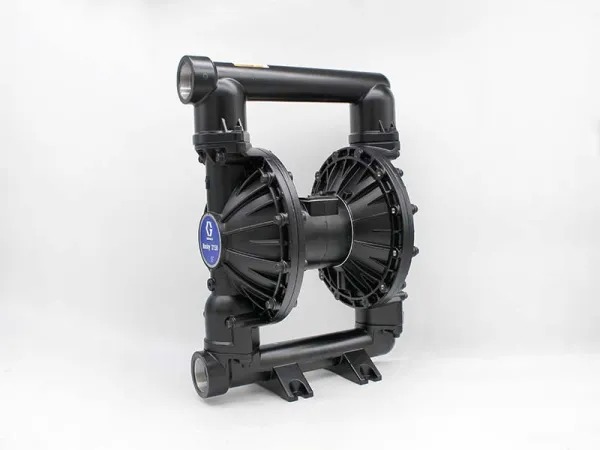
Os equipment used for air suction are fundamental to ensuring the efficiency and effectiveness of industrial processes. Among the main devices, the following stand out: pneumatic diaphragm pumps, which are designed to create a negative pressure that allows air to be removed and fluids to move. These pumps are known for their robustness and ability to operate in demanding environments.
Another important piece of equipment is the pneumatic actuator, which uses air pressure to move valves and other components. Actuators are essential in automated systems, where precision and speed in operation are crucial. They can be driven by air suction, allowing efficient control of the flow of materials.
As control valves also play a vital role in air suction. They regulate the flow of air and fluids in pneumatic systems, ensuring that pressure is maintained at appropriate levels. Choosing the correct valve is essential to optimize system performance and avoid operational failures.
In addition, the filtration systems are used to remove impurities from the air before it is sucked in. These systems ensure that the air entering the equipment is free of contaminants, extending the useful life of the devices and improving the quality of the process. The combination of these equipment results in an efficient and reliable air suction system, essential for various industrial applications.
4. Benefits of Efficient Air Suction
Implement a efficient air suction brings several benefits to industrial operations. One of the main benefits is the reduction of operating costs. Systems that utilize air suction optimally consume less energy, which results in lower energy bills. This is especially important in environments where automation and fluid movement are constant.
Another significant benefit is the IMPROVEMENT IN PRODUCT QUALITY. In processes such as industrial painting, efficient air suction helps to remove impurities and particles from the environment, ensuring that the paint application is uniform and flawless. This results in higher quality final products and less rework.
A safety in the work environment It is also enhanced with efficient air suction. By removing contaminants and maintaining adequate pressure, the risks of accidents and health problems are reduced. This is crucial in chemical and food industries, where worker safety is a priority.
In addition, the operational efficiency is increased. Well-designed air suction systems ensure a continuous production flow, minimizing stops and interruptions. This translates into greater productivity and better use of available resources.
Finally, the implementation of efficient air suction solutions contributes to the sustainability. By reducing energy consumption and minimizing waste, companies can operate in a more environmentally friendly way, aligning with environmentally responsible practices.