Pneumatic systems are fundamental in industrial automation, using compressed air to move and control equipment. In this article, we will explore the main components, advantages and applications of pneumatic systems, highlighting their importance in modernizing industries.
1. What is a Pneumatic System?
One pneumatic system is a set of components that uses compressed air to perform mechanical work. These systems are widely used in industry due to their efficiency and versatility.
The basic functioning of a pneumatic system involves compressing air, which is stored in a reservoir and then used to activate different devices.
Pneumatic systems are composed of various elements, including compressors, valves, actuators and piping. The compressor is responsible for generating compressed air, while the valves control the flow of this air to the actuators, which are responsible for moving parts or tools.
One of the main characteristics of pneumatic systems is their ability to generate force quickly and efficiently. This makes them ideal for applications that require fast, repetitive movements, such as in assembly lines and packaging processes.
Furthermore, pneumatic systems are known to be clean and safe, since they use air as a working medium, unlike hydraulic systems that use fluids that can leak and cause contamination. This feature makes pneumatic systems a popular choice in the food and pharmaceutical industries.
In summary, a pneumatic system is an effective solution for industrial automation, offering a combination of efficiency, safety and versatility that meets the needs of different sectors.
2. Main Components of the Pneumatic System
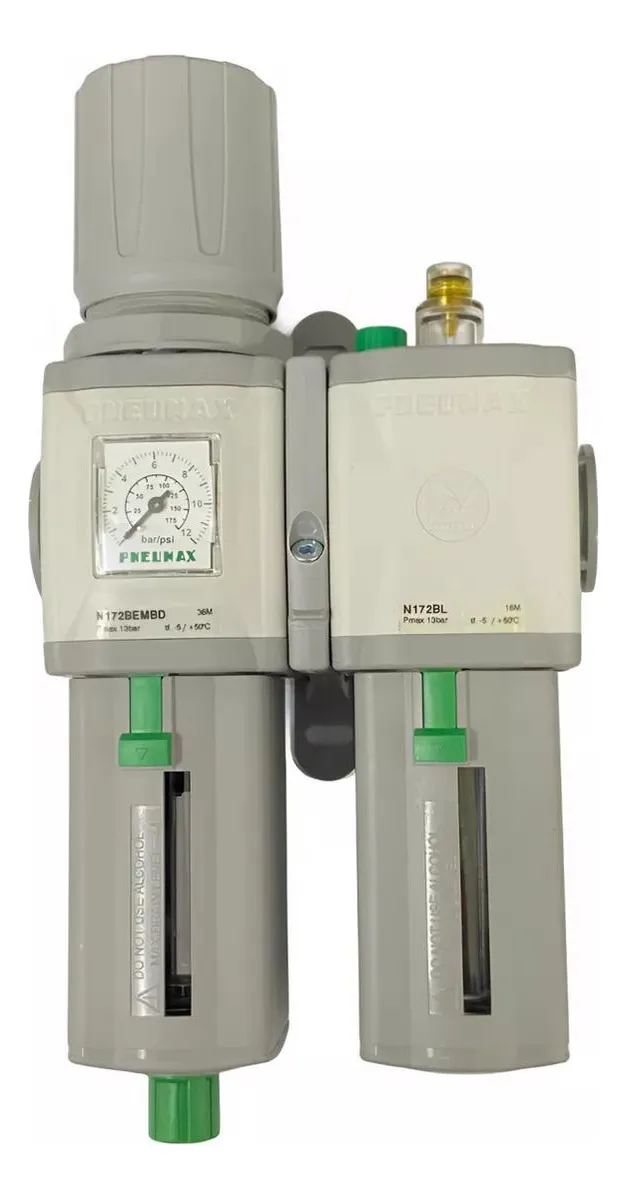
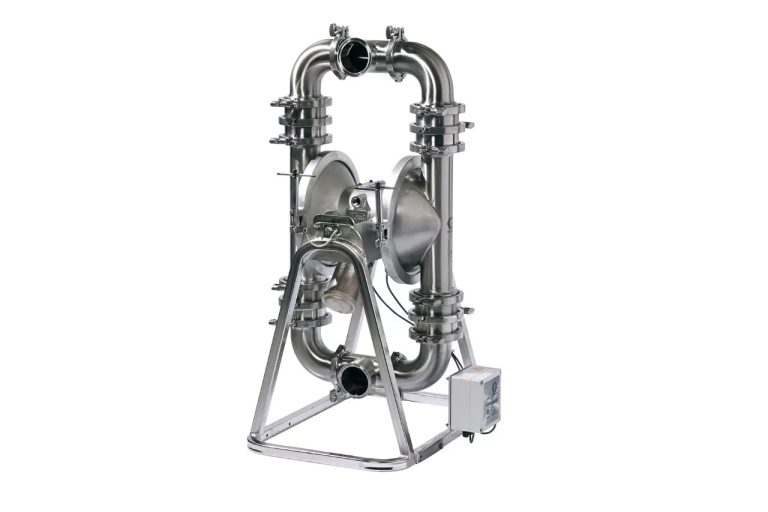
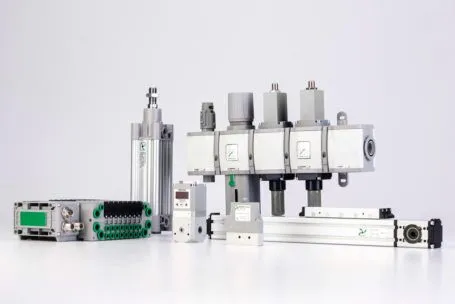
Os main components of a pneumatic system are essential for its efficient and effective operation. Each part plays a specific role in the generation, control and use of compressed air. Below are the main components:
1. Compressor: The compressor is the heart of the pneumatic system. He is responsible for compress the air from the environment and store it in a reservoir. There are different types of compressors, such as piston and screw compressors, each suitable for different applications and pressure demands.
2. Reservoir: The reservoir stores the compressed air generated by the compressor. It helps maintain a constant pressure and provides an available volume of air for the system. Reservoir size may vary depending on application and air demand.
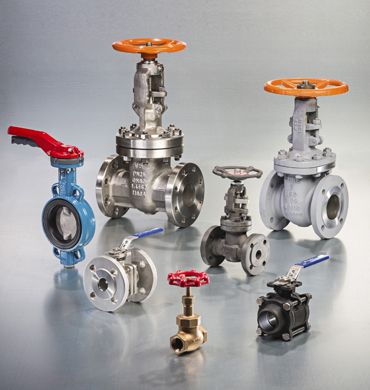
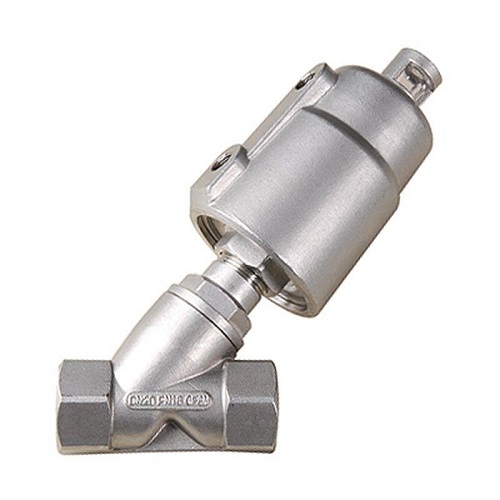
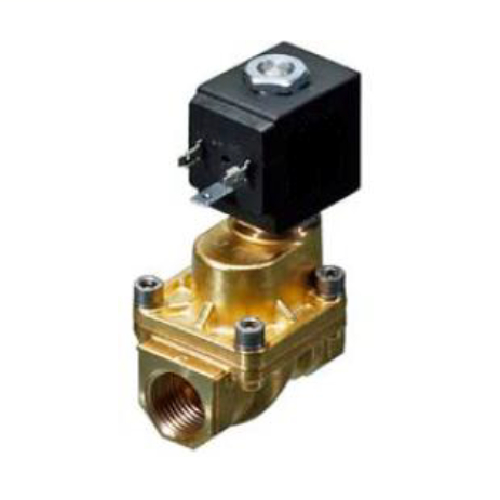
3. Valves: Valves control the flow of compressed air within the system. They can be manual or automatic and are essential for directing air to the actuators. Pressure control valves and relief valves are common examples that ensure system safety and efficiency.
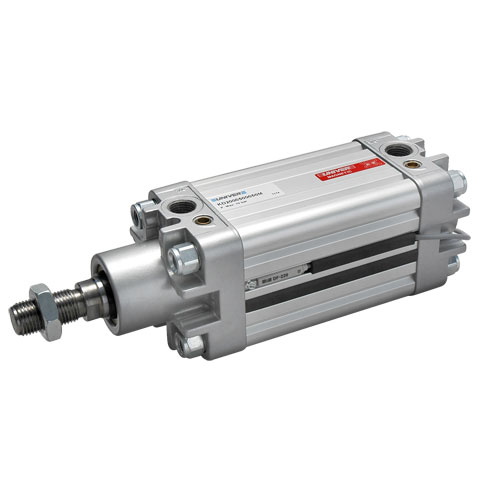
4. Actuators: Actuators are devices that convert the energy of compressed air into mechanical movement. There are two main types: pneumatic cylinders, which produce linear movement, and pneumatic engines, which generate rotary movement. They are used in a variety of applications, from moving parts to process automation.
5. Pipes: Pipes connect all components of the pneumatic system. They must be sized correctly to avoid pressure losses and ensure efficient air flow. Materials such as nylon, polyurethane and metal are commonly used.
These components work together to create an efficient pneumatic system, capable of performing various tasks in industrial automation. Proper choice of each component is crucial to system performance and reliability.
3. Advantages of Pneumatic Systems in Industry
Os pneumatic systems offer several advantages that make them a popular choice in industrial automation. Following are some of the main advantages:
1. Energy Efficiency: Pneumatic systems are known for their energy efficiency. Compressed air can be generated and used effectively, reducing energy consumption compared to other systems, such as hydraulics.
2. Speed and Agility: The operating speed of pneumatic systems is one of their greatest advantages. They can start and stop quickly, enabling shorter production cycles and increasing productivity on assembly lines.
3. Security: Using compressed air as a working medium makes pneumatic systems safer. Unlike hydraulic systems, which can leak dangerous fluids, pneumatic systems pose no risk of contamination, making them ideal for the food and pharmaceutical industries.
4. Simple Maintenance: Pneumatic systems generally require less maintenance than other systems. Most components are robust and wear-resistant, and preventative maintenance is simple, which reduces downtime.
5. Flexibility: Pneumatic systems are highly flexible and can be easily adapted to different applications. This allows industries to quickly adjust their operations to meet new demands or changes in the market.
6. Cost-Benefit: While the initial investment in a pneumatic system can be significant, the lower operating and maintenance costs over time make it a cost-effective solution. The durability and efficiency of pneumatic systems contribute to a favorable return on investment.
These advantages make pneumatic systems an attractive choice for many industries looking to increase efficiency and safety in their operations.
4. Practical Applications of Pneumatic Systems
Os pneumatic systems They are widely used in various industries due to their efficiency and versatility. Below are some of the main Practical Applications of these systems:
1. Assembly Line Automation: In factories, pneumatic systems are used to move parts and components along assembly lines. Pneumatic cylinders drive robotic arms that perform tasks such as assembly, packaging and quality inspection.
2. Handling Equipment: Pneumatic systems are used in handling equipment such as forklifts and conveyors. They allow the fast and efficient movement of materials, reducing cycle time and increasing productivity.
3. Food industry: In the food industry, pneumatic systems are used for processes such as packaging, transport and dosing of ingredients. The use of compressed air guarantees a clean and safe environment, essential for food production.
4. Pharmaceutical Sector: Pneumatic systems are fundamental in the pharmaceutical industry, where they are used in product packaging and transportation processes. The safety and reliability of pneumatic systems are crucial to ensuring the quality of medicines.
5. Painting Equipment: In industrial painting processes, pneumatic systems are used to atomize paints. Pneumatic spray guns provide a uniform, high-quality finish and reduce material waste.
6. Pressure Control Systems: Pneumatic systems are applied to pressure control valves, which regulate pressure in different industrial processes. This is vital to ensure safety and operational efficiency.
These applications demonstrate the flexibility and effectiveness of pneumatic systems in various sectors, contributing to the automation and improvement of industrial processes.