The control signal is an essential element in automation systems, allowing communication between different devices and process control. In this article, we will explore the concept of a control signal, its practical applications and its importance in optimizing industrial operations.
What is a control signal?
One control signal is information that is sent from one device to another, with the aim of regulating or commanding the functioning of automated systems.
These signals are fundamental in industrial processes, as they allow machines and equipment to operate in a coordinated and efficient manner.
Control signals can be digital or analog. Digital signals represent information in two states, generally as connected or off, while analog signals vary continuously, representing a range of values.
This difference is crucial for choosing the type of signal to be used in each application.
Furthermore, control signals are used in various devices, such as sensors, actuators e Programmable Logic Controllers (PLCs).
They ensure that machines respond to specific conditions, such as temperature, pressure or liquid level, allowing automatic adjustments and improving the efficiency of the production process.
Types of Control Signals
Os types of control signals are mainly classified into two categories: digital signals e analog signals. Each type has specific characteristics that make them suitable for different applications in industrial automation.
Os digital signals operate in two states: connected (1) e off (0). They are widely used in systems that require a clear and immediate response, such as in switches e presence sensors. The simplicity of digital signals makes implementation and maintenance easier, as well as reducing interference and increasing system reliability.
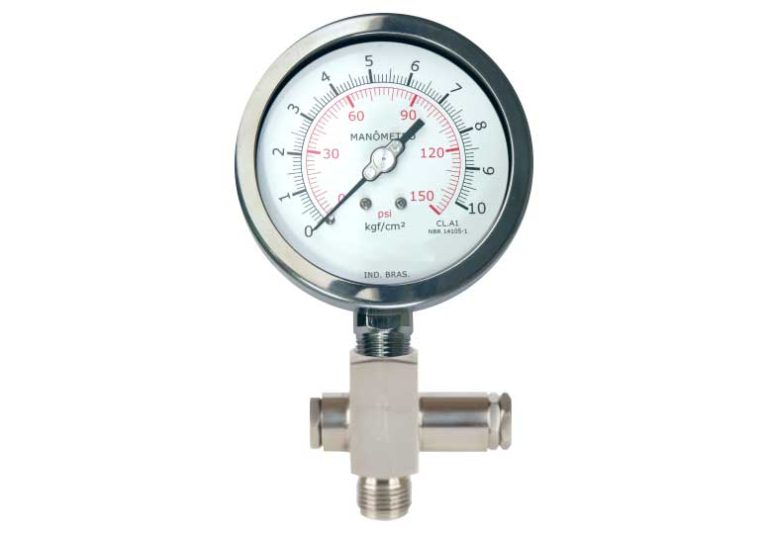
On the other hand, the analog signals vary continuously and can represent an infinite number of values. They are used in applications that require precise measurements, such as in thermometers e gauge. Analog signals are essential for monitoring variables such as temperature, pressure and liquid level, where precision is crucial for process control.
In addition to these main categories, there are also pulse control signals, which are used in systems that require a sequence of commands, as in stepper motors. These signals allow for more refined control over the movement and operation of machines.
Applications of control signals in industry
As applications of control signals in industry are vast and essential for the efficient functioning of automated processes. These signals are used in several areas, such as manufacture, chemical processing, e quality control.
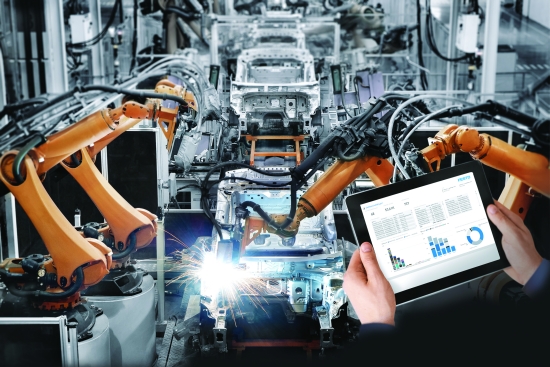
Na manufacture, control signals are used to manage machines and equipment. For example, on an assembly line, digital signals can indicate when a machine should start or stop, ensuring that the production flow is continuous and efficient. Furthermore, control sensors monitor the presence of parts, preventing production failures.
No chemical processing, control signals are vital for regulating variables such as temperature, pressure and flow of materials. Analog sensors provide real-time data, allowing automatic adjustments that ensure the safety and quality of the final product. For example, in chemical reactors, precise temperature control is crucial to avoid unwanted reactions.
Em quality control, control signals help monitor and ensure that products meet established standards. Measuring and testing equipment uses signals to report data about product dimensions, weight and other characteristics. This allows companies to quickly identify any deviation from quality standards and take corrective action.
Além disso, os sinais de controle são utilizados em sistemas de building automation, onde controlam iluminação, climatização e segurança. Isso não só melhora a eficiência energética, mas também proporciona um ambiente mais confortável e seguro para os ocupantes.
Importância dos sinais de controle na automação
A importância dos sinais de controle na automação é fundamental para garantir a eficiência e a segurança em processos industriais. Esses sinais permitem que diferentes dispositivos se comuniquem e operem de maneira coordenada, resultando em um sistema mais integrado e responsivo.
Os sinais de controle são essenciais para a process optimization. Eles possibilitam ajustes automáticos em tempo real, o que é crucial em ambientes onde as condições podem mudar rapidamente. Por exemplo, em uma linha de produção, a capacidade de ajustar a velocidade de uma máquina com base na demanda de produção é vital para evitar desperdícios e garantir que os produtos sejam fabricados dentro dos padrões de qualidade.
Além disso, os sinais de controle aumentam a operational security. Em sistemas automatizados, a comunicação precisa entre sensores e atuadores ajuda a prevenir falhas e acidentes. Por exemplo, em um sistema de controle de temperatura, um sinal de controle pode desligar automaticamente um equipamento se a temperatura exceder um limite seguro, protegendo tanto o equipamento quanto os operadores.
Os sinais de controle também são cruciais para a predictive maintenance. Ao monitorar continuamente o desempenho de máquinas e equipamentos, os sinais de controle podem indicar quando uma peça está prestes a falhar. Isso permite que as empresas realizem manutenções programadas, evitando paradas inesperadas e reduzindo custos operacionais.
Por fim, a utilização de sinais de controle contribui para a Systems Integration. Em ambientes industriais modernos, onde a automação é cada vez mais complexa, a capacidade de integrar diferentes dispositivos e sistemas é essencial. Sinais de controle permitem que máquinas de diferentes fabricantes operem juntas, criando um ecossistema de automação mais coeso e eficiente.