Fluid replacement is an essential practice in several industries, ensuring that systems operate efficiently and safely. This process not only prevents mechanical failures, but also contributes to maintaining product quality. In this article, we will cover the importance of fluid replacement, best practices and solutions available on the market.
Importance of Fluid Replacement: Understand how fluid replacement is crucial for equipment maintenance and operational efficiency.
Fluid replacement It is a fundamental aspect in the maintenance of industrial equipment. It ensures that systems operate efficiently, preventing failures and extending the useful life of machinery. When fluids are not replaced properly, there is a significant risk of overheating, corrosion and excessive wear on parts. This can lead to unscheduled downtime, which results in financial losses and production delays.
Furthermore, fluid replacement contributes to operational efficiency. Systems that operate with fluids at appropriate levels run more smoothly and efficiently, which translates into optimized performance. Regular fluid replacement maintenance is, therefore, a recommended practice for any industrial operation seeking to maximize its productivity and minimize operating costs.
Types of fluids used vary depending on the application. Hydraulic fluids, for example, are essential in power transmission systems, while lubricants are used to reduce friction between moving parts. Refrigerants are crucial in processes that generate excessive heat, such as compressors and cooling systems. Each type of fluid has specific characteristics that make it suitable for certain functions, and the correct choice is vital for the system's performance.
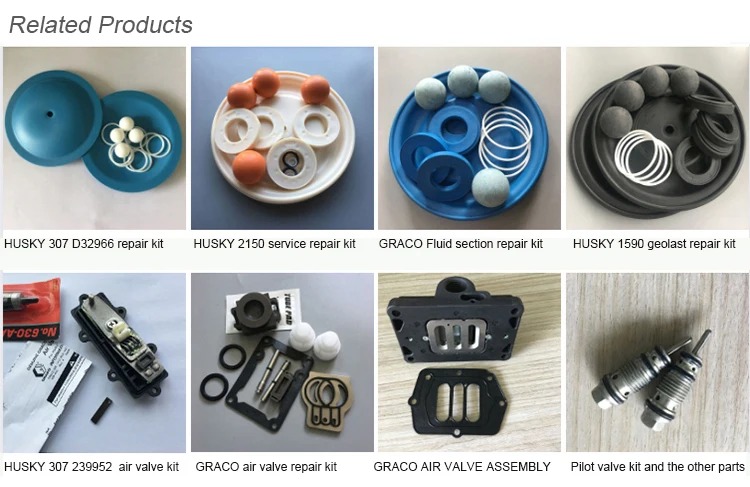
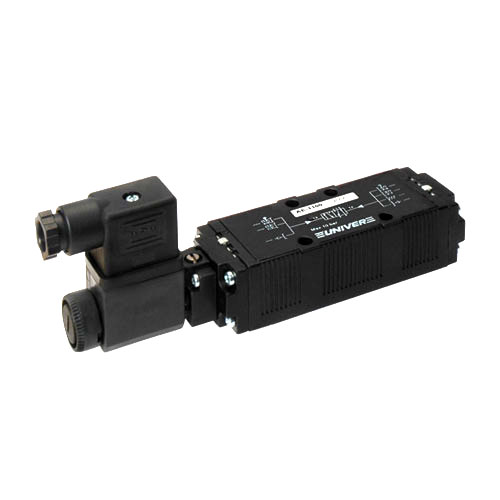
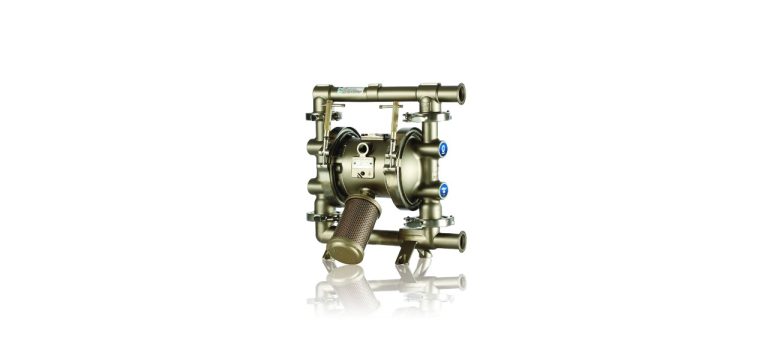
Fluid replacement solutions Available on the market include a variety of pumps and automation systems. Diaphragm pumps, for example, are widely used to transfer fluids in a controlled and efficient manner. Automated systems can monitor fluid levels in real time, automatically replacing fluids when necessary. This not only reduces the need for manual intervention, but also minimizes the risk of human error.
The benefits of automation in fluid replacement are significant. Automation allows for more precise control over fluid levels, ensuring systems always operate within ideal specifications. This results in a more efficient operation, with less waste and less energy consumption. Furthermore, automation can reduce operational costs by minimizing the need for corrective maintenance and unexpected downtime, contributing to a safer and more productive work environment.
Types of Fluids Used: Explore the different types of fluids used in industrial processes and their specific applications.
Types of fluids used in industrial processes are varied and each one has specific characteristics that meet different operational needs.
Os hydraulic fluids They are widely used in systems that require force transmission, such as presses and cutting machines. They are designed to withstand high pressures and temperatures, ensuring efficiency and safe operation of the equipment.
Os lubricants play a crucial role in reducing friction between moving parts, extending component life and improving energy efficiency. There are several types of lubricants, such as mineral and synthetic oils, each suitable for specific applications, depending on operating conditions and the manufacturer's requirements.
Os refrigerant fluids They are essential in processes that generate excessive heat, such as refrigeration systems and compressors. They help maintain the ideal operating temperature, preventing overheating and damage to equipment. The choice of refrigerant fluid must consider factors such as thermal efficiency and compatibility with the system materials.
In addition, the cleaning fluids are used to remove impurities and residues from machines and equipment. These fluids ensure that systems operate at maximum efficiency, preventing contamination that could compromise performance. Selection of the type of cleaning fluid must take into account the nature of the contaminants and the materials to be cleaned.
Finally, choosing the correct fluid type is vital to system performance. Each fluid has its specific properties and applications, and understanding these differences is essential to ensure the efficiency and safety of industrial operations.
Fluid Replacement Solutions: Discover the solutions available on the market, including pumps and automation systems that facilitate fluid replacement.
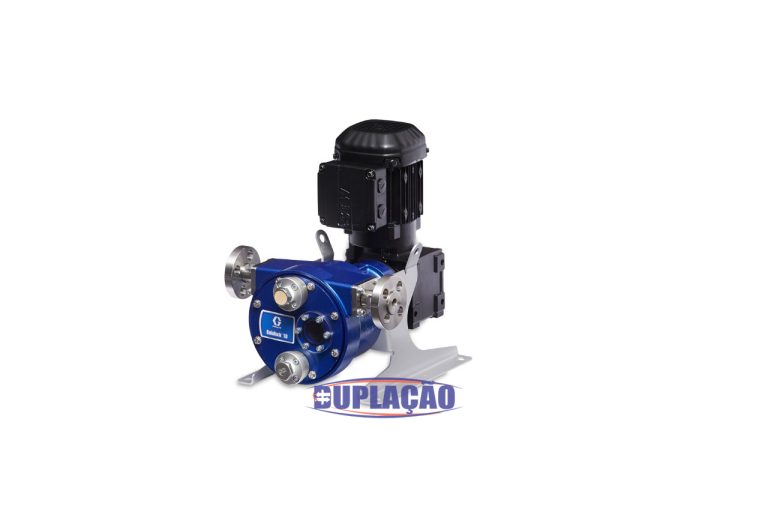
Fluid replacement solutions are essential to ensure the efficiency and continuity of industrial operations. On the market, there are several options that meet different needs and applications.
As diaphragm pumps are one of the most popular solutions as they offer high precision when transferring fluids. They are ideal for applications that require strict flow and pressure control, as well as being capable of handling viscous and abrasive fluids.
Another important solution is centrifugal bombs, which are widely used in irrigation, heating and cooling systems. These pumps are designed to move large volumes of fluids efficiently, making them a common choice in chemical and petrochemical industries.
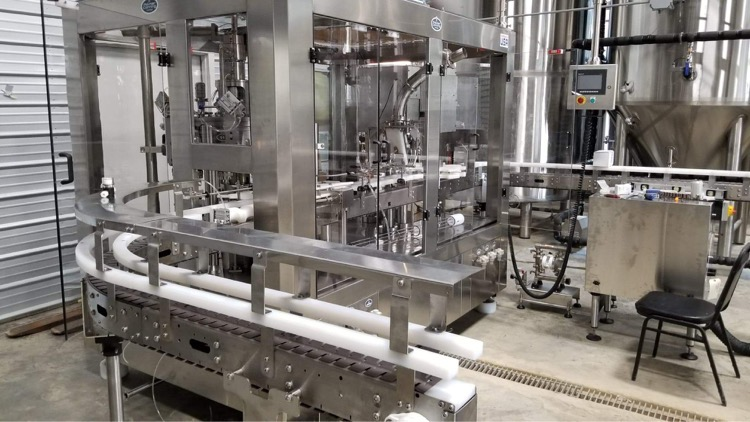
Os automation systems also play a crucial role in fluid replacement. With automation, it is possible to monitor fluid levels in real time, allowing pumps to be activated automatically when necessary. This not only reduces the need for manual intervention, but also minimizes the risk of failures due to lack of fluid.
In addition, there are level sensors which can be integrated into replacement systems. These sensors detect when fluid levels are low and send signals to the pumps, ensuring that replenishment occurs continuously and efficiently. This technology is especially useful in environments where constant supervision is not feasible.
Finally, the software solutions for fluid management are also becoming increasingly common. These systems allow companies to analyze data on fluid consumption, identify patterns and make predictions about the need for replacement. This makes it possible to optimize the use of resources and reduce operational costs.
Benefits of Automation in Fluid Replacement: Discover how automation can optimize the fluid replacement process, increasing efficiency and reducing costs.
Benefits of automation in fluid replacement are significant and directly impact the operational efficiency of industries. Automation allows for more precise control over fluid levels, ensuring systems always operate within ideal specifications. This results in a more efficient operation, with less waste and less energy consumption.
One of the main benefits of automation is the reduction of human errors. Automated systems continuously monitor fluid levels and perform replacement without the need for manual intervention. This minimizes the risk of failures that could occur due to inadequate supervision or carelessness. Furthermore, automation can be programmed to perform replenishment at specific times, further optimizing the use of resources.
A energy efficiency it is also improved with automation. Pumps and automated systems can be adjusted to operate under optimal conditions, reducing energy consumption and operating costs. This is especially important in industrial environments, where energy consumption can represent a significant portion of total costs.
Another important benefit is the predictive maintenance. Automated systems can collect data on equipment and fluid performance, allowing companies to identify patterns and anticipate problems before they become critical. This not only reduces downtime but also extends the life of equipment.
Finally, automation makes it easier to Systems Integration. With current technology, it is possible to connect different equipment and monitoring systems, creating a network that allows for more efficient fluid management. This results in a more cohesive and integrated operation, where all parts of the process work in harmony.