Pressure reaction is a fundamental concept in pneumatic and hydraulic systems, referring to the force that a fluid exerts in response to a change in pressure. This phenomenon is crucial for the efficient operation of various industrial equipment, such as valves and actuators. In this article, we will explore the practical applications of pressure reaction and its importance in industrial automation.
1. What is Pressure Reaction?
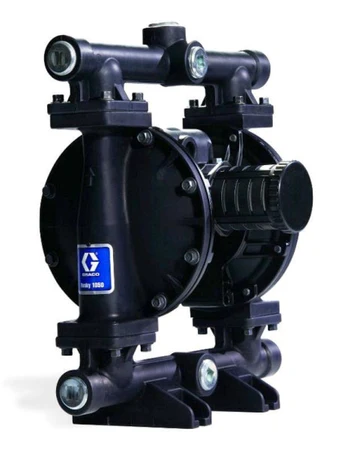
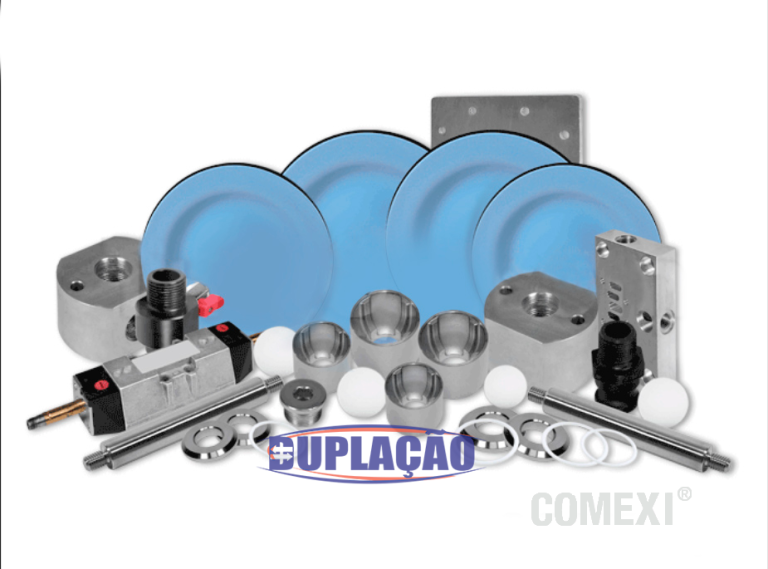
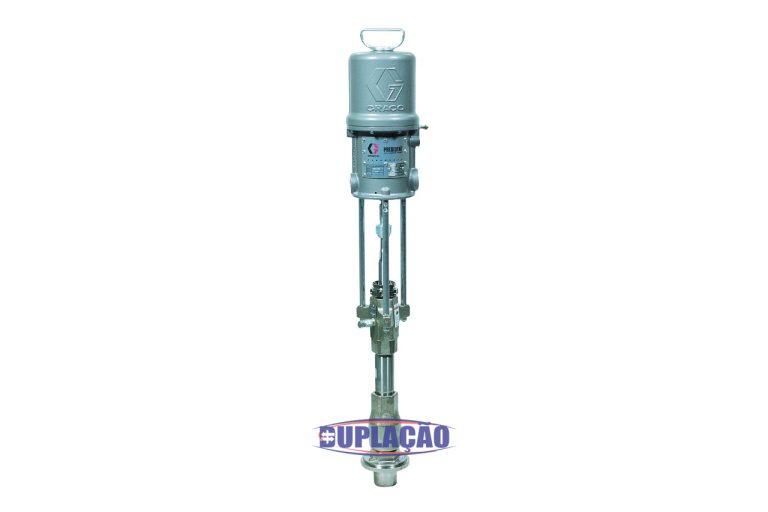
The pressure reaction is a fundamental concept in fluid physics, referring to the force that a fluid exerts in response to a change in pressure. When the pressure in a system varies, the fluid reacts according to the laws of fluid mechanics. This reaction is essential for the functioning of several devices, such as pneumatic pumps e actuators.
The principle of pressure reaction can be observed in various industrial applications. For example, when a valve is actuated, the fluid pressure changes, resulting in a force that can move mechanical components. This force is proportional to the pressure variation and the surface area in contact with the fluid.
In pneumatic systems, the pressure reaction is crucial to ensure the efficiency and safety of operations. Understanding this phenomenon allows engineers and technicians to design more effective systems, minimizing energy losses and increasing productivity.
In summary, the pressure reaction is a natural response of fluids to changes in their environment, and its understanding is vital for the automation and control of industrial processes.
2. Importance in Industrial Automation
The importance of the pressure reaction in industrial automation is undeniable. This phenomenon is fundamental for the efficient operation of pneumatic and hydraulic systems. When a system is designed, the pressure reaction determines how components interact with each other. This directly affects the efficiency and a security operations.
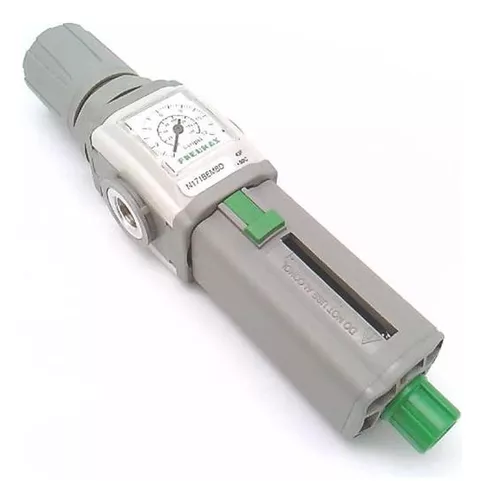
In industrial processes, the automation depends on the ability to control pressure accurately. Pressure reaction allows valves and actuators to respond quickly to commands, ensuring processes are carried out effectively. For example, on an assembly line, the correct pressure is needed to move parts and ensure operations are carried out without failure.
Furthermore, the pressure reaction contributes to the cost reduction operational. Systems that use pressure optimally consume less energy and reduce equipment wear. This results in fewer maintenance stops and longer component life.
Another important point is the security. Systems that do not consider pressure reaction can present risks, such as leaks or catastrophic failures. Therefore, understanding and correctly applying the pressure reaction is essential to ensuring a safe and efficient work environment.
3. Practical applications
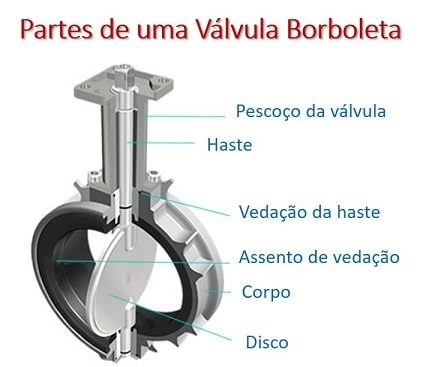
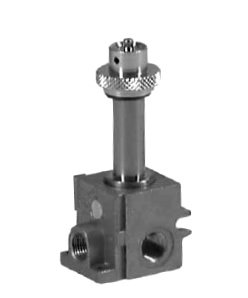
The practical applications of the pressure reaction are vast and essential in various industrial sectors. A clear example is the use in control valves. These valves regulate the flow of fluids in pneumatic and hydraulic systems. When pressure changes, the valve reacts, adjusting fluid flow and ensuring the system operates efficiently.
Another important example is the use of pneumatic actuators. They convert the energy of compressed air into mechanical movement. The pressure reaction is fundamental to the operation of these actuators, as the force generated by air pressure determines the speed and strength of the movement. This is crucial in applications such as assembling parts and moving loads.
Furthermore, the pressure reaction is used in industrial painting systems. In these systems, air pressure is adjusted to ensure even paint application. Correct pressure avoids problems such as smudging or coverage gaps, resulting in a high quality finish.
In summary, pressure reaction is a vital feature in many industrial processes. Its correct application not only improves efficiency, but also guarantees the quality and safety of operations.
4. Conclusion
The pressure reaction It is an essential concept in industrial automation, directly impacting process efficiency and safety.
Understanding this phenomenon allows engineers and technicians to design more effective systems, minimizing losses and increasing productivity.
The practical applications of pressure reaction are visible in several sectors, from control valves until pneumatic actuators e industrial painting systems.
Each of these components relies on pressure reaction to function correctly, ensuring operations are carried out safely and efficiently.
Therefore, mastering the concept of pressure reaction is essential for any professional working with automation and pneumatic systems.
This understanding not only improves equipment performance, but also contributes to a safer and more productive work environment.