The amount of fluid is a crucial factor in pneumatic and hydraulic systems, directly influencing the efficiency and effectiveness of operations. In this article, we will address the importance of measuring and controlling the amount of fluid, as well as techniques to optimize its use in various industrial applications.
What is Fluid Quantity? – Definition and basic concepts about the amount of fluid in pneumatic systems.
The amount of fluid refers to the volume of liquid or gas that is used in pneumatic and hydraulic systems. In pneumatic systems, the amount of fluid is essential to ensure the proper functioning of components such as actuators, Valves e bombs. A definition The amount of fluid can vary depending on the type of system and application, but is generally measured in liters or cubic meters.
In pneumatic systems, the fluid is the compressed air that drives the devices. The amount of compressed air available directly affects the force and speed of the actuators. Therefore, it is crucial to monitor and control this quantity to ensure system efficiency.
In addition, the amount of fluid influences the pressure within the system. Inadequate pressures can lead to operational failures such as leaks or component failures. Therefore, understanding the amount of fluid is essential for the maintenance and effective operation of pneumatic systems.
In summary, the amount of fluid is a central concept in pneumatic systems, directly impacting the efficiency, safety and durability of the equipment.
Importance of Measuring Fluid Quantity – How accurately measuring fluid quantity can improve operational efficiency.
Accurate measurement of fluid quantity is essential to ensure operational efficiency in pneumatic systems. When the amount of fluid is measured correctly, it is possible to optimize equipment performance and reduce operating costs.
A importance of measurement is mainly due to two factors: the efficiency and a security. A system that operates with the correct amount of fluid avoids waste and failures, which can result in unscheduled downtime and additional costs. Additionally, accurate measurement helps identify problems before they become critical, enabling predictive maintenance.
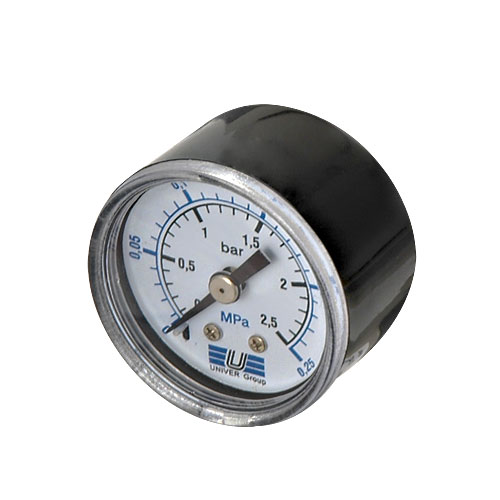
To measure the amount of fluid, devices such as gauge, flowmeters e Pressure Sensors. These instruments provide real-time data, allowing immediate adjustments to operations.
Measurement is also essential for quality control. In industrial processes, the amount of fluid must be monitored to ensure that products meet the required standards. Therefore, measuring fluid quantity is not just a matter of efficiency, but also of compliance and quality.
Techniques for Calculating the Quantity of Fluid – Methods and tools for calculating the quantity of fluid in different applications.
Calculate the amount of fluid in pneumatic systems is an essential task to ensure the efficiency and safety of operations. There are several techniques e tools that can be used to perform these calculations accurately.
One of the most common techniques is the use of mathematical formulas that relate pressure, volume and temperature of the fluid. THE equation of state of ideal gases, for example, can be applied to calculate the amount of compressed air in a system. This equation is expressed as PV = nRT, where P is the pressure, V is the volume, n is the amount of substance, R is the universal gas constant and T is the temperature.
Another approach is to use measuring instruments, like flowmeters e gauge, which provide real-time data on the amount of fluid being used. These devices are essential for monitoring and adjusting the flow of air or liquid in pneumatic systems.
Furthermore, software simulation e modeling They can also be used to calculate the amount of fluid in more complex applications. These programs allow you to simulate different scenarios and operating conditions, helping engineers predict system behavior and optimize fluid use.
In summary, the techniques for calculating the amount of fluid are varied and can include everything from mathematical formulas to the use of advanced technology. The choice of the appropriate technique depends on the specificities of each application and operational objectives.
Optimization of Fluid Use in Pneumatic Systems – Strategies to reduce waste and maximize fluid efficiency in industrial processes.
Optimizing fluid use in pneumatic systems is crucial to increase efficiency and reduce operating costs. There are several strategies that can be implemented to achieve these objectives.
One of the main strategies is the preventive maintenance. Perform regular inspections and maintenance of pneumatic components, such as Valves e actuators, helps identify leaks and wear that can lead to fluid waste.
Another effective approach is proper sizing of systems. It is important that pneumatic systems are designed to operate with the exact amount of fluid required for each application. This avoids excessive use of compressed air and ensures that equipment functions optimally.
A automation it also plays an important role in optimizing fluid usage. Automated systems can adjust air or liquid flow in real time based on specific process needs. This not only improves efficiency but also minimizes waste.
In addition, the education and training of operators are fundamental. Well-trained professionals can quickly identify problems and implement effective solutions to optimize fluid use.
Finally, the use of advanced technologies, such as sensors and monitoring systems, allow more precise control of the amount of fluid in use. These devices can provide real-time data, allowing for immediate adjustments and avoiding waste.
Implementing these strategies not only maximizes fluid efficiency, but also contributes to sustainability and cost reduction in industrial operations.