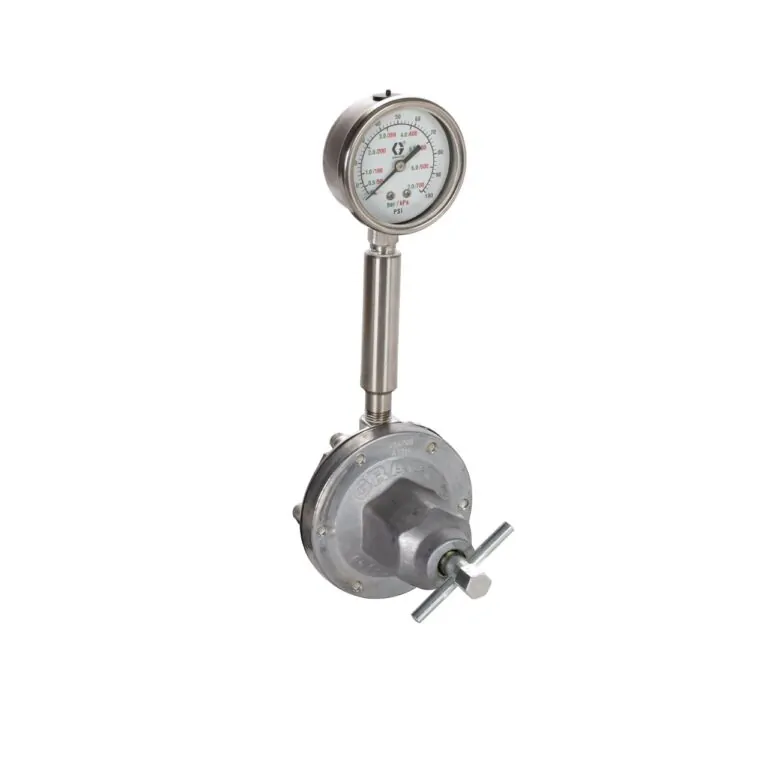
Sensor frames are essential components in automation systems, enabling real-time data collection and monitoring. In this article, we will explore the main applications, benefits and characteristics of sensor frames, highlighting their importance in modernizing industrial processes.
What is a Sensor Board?
One sensor board is a device that integrates several sensors into a single system, allowing the collection and monitoring of data in real time.
These sensors can measure variables such as temperature, pressure, humidity and liquid level, among others. The board is designed to facilitate installation and maintenance, as well as ensuring efficient communication between sensors and control systems.
Sensor frames are used in various industrial applications, such as process automation, environmental monitoring and quality control. They are essential for optimizing operations, as they allow the collection of accurate and real-time data, enabling more informed decision-making.
Furthermore, sensor panels can be integrated with automation systems, such as PLCs (Programmable Logic Controllers) and SCADA (Supervisory Control and Data Acquisition) systems, for more efficient and automated control of industrial processes.
Applications of Sensor Boards in Industry
Os sensor frames have a wide range of applications in industry, playing a crucial role in process automation and monitoring. One of the main uses is in temperature control, where sensors are installed to ensure that operating conditions are within desired limits. This is especially important in sectors such as food and beverage, where temperature must be strictly controlled to ensure product quality.
Another significant application is in Pressure Monitoring. Pressure sensors are used in hydraulic and pneumatic systems to ensure that the pressure is adequate, preventing failures and increasing operational safety. Additionally, sensor frames can be used to leak detection, helping to prevent material losses and reduce operational costs.
Sensor panels are also fundamental in monitoring systems. industrial automation, where they collect data from different points of a production line. This data is sent to control systems, which can automatically adjust operations to optimize efficiency. This results in more agile production with less waste.
Furthermore, sensor frames are used in environmental monitoring, allowing the collection of data on atmospheric conditions, such as humidity and pollution. This data is essential to ensure compliance with environmental regulations and to implement sustainable practices in industrial operations.
Benefits of Implementing Sensor Boards
The implementation of sensor frames brings several benefits to industrial operations. One of the main benefits is the operational efficiency. With real-time data collection, companies can monitor processes and quickly identify any anomalies. This allows for immediate adjustments, reducing downtime and increasing productivity.
Another important benefit is the cost reduction. By optimizing processes and avoiding waste, companies can save on raw materials and energy. Additionally, early fault detection can avoid costly repairs and extend equipment life.
Sensor frames also contribute to the safety in the work environment. With sensors that monitor critical conditions, such as pressure and temperature, it is possible to prevent accidents and ensure that operations comply with safety standards. This not only protects employees, but also minimizes legal risks for the company.
Furthermore, the implementation of these frameworks facilitates regulatory compliance. Many industries must follow strict quality and safety standards. With accurate, real-time data, companies can demonstrate compliance and avoid penalties.
Finally, the sensor panels promote innovation. By collecting data, companies can analyze trends and patterns, allowing the development of new solutions and continuous process improvements.
How to Choose the Ideal Sensor Board
Choose the ideal sensor frame is fundamental to ensuring the efficiency and effectiveness of automation systems. Firstly, it is important to consider the sensor type that will be used. There are several types, such as temperature, pressure, humidity and level sensors. The choice should be based on the specific needs of the application.
Another factor to consider is the compatibility framework with existing systems. Check whether the board can easily integrate with control systems such as PLCs and SCADA systems. Communication between devices must be fluid to avoid data issues and ensure continuous operation.
A expansion capacity is also an important aspect. Choose a framework that allows you to add new sensors in the future as your business needs evolve. This ensures that the system can grow without the need for costly replacements.
In addition, the FACILITY OF INSTALLATION AND MAINTENANCE must be taken into account. A frame that is easy to install and maintain can save time and operating costs. Check whether the manufacturer offers technical support and adequate documentation to facilitate these processes.
Lastly, consider the cost-effective. Although it is tempting to opt for the cheapest model, it is essential to evaluate the quality and reliability of the product. Investing in a quality sensor panel can result in long-term savings due to reduced failures and maintenance.