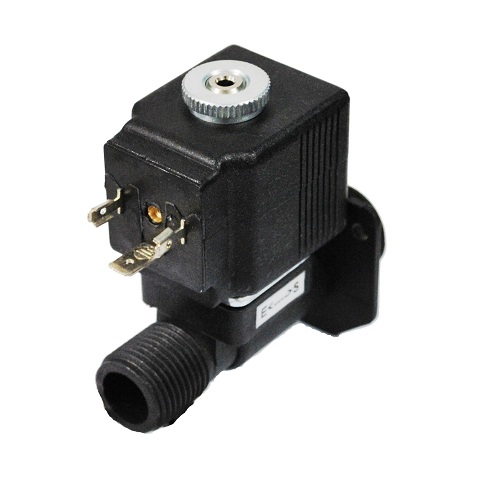
Investing in pneumatic equipment is essential to increase your company’s efficiency and productivity. They offer advantages such as lower operating costs, versatility in various applications and safety, making them ideal for sectors such as manufacturing, construction and food.
Invest in pneumatic equipment It may seem like a challenging decision, but the reality is that justifying this investment is essential to guarantee efficiency and productivity. In this article, we will discuss the main advantages of pneumatic equipment, how to calculate the return on investment and in which sectors this type of equipment can make a difference. Get ready to optimize your processes!
Main advantages of pneumatic equipment
Os pneumatic equipment offer a series of advantages that can transform a company’s operational efficiency. They are known for their ability to perform tasks quickly and accurately, using compressed air as a power source. This not only improves productivity but also reduces operational costs.
Energy efficiency
One of the main advantages of pneumatic equipment is its energy efficiency. They consume less energy compared to electrical systems, resulting in significant savings on energy bills. Furthermore, compressed air can be generated continuously, allowing uninterrupted operation.
Application Versatility
Pneumatic equipment is extremely versatile and can be used in a variety of applications, from industrial automation to material handling. This makes them ideal for different sectors such as manufacturing, construction and transportation.
Lower Maintenance
Another advantage is the reduced need for maintenance. Pneumatic equipment generally has fewer moving parts, which reduces wear and tear and the need for frequent repairs. This results in fewer unscheduled stops and longer uptime.
Operational security
Pneumatic systems also provide a safer working environment. As they do not use electricity, the risk of fires and explosions is significantly reduced, making them ideal for environments where flammable materials are present.
How to calculate return on investment
Calculate the return on investment (ROI) in pneumatic equipment is essential to understand the financial impact of this acquisition. ROI helps determine whether the investment is worthwhile and how it can contribute to the company's profitability.
ROI Formula
The basic formula for calculating ROI is: ROI = (Investment Gain – Investment Cost) / Investment Cost. This formula provides a percentage that indicates the return generated in relation to what was invested.
Identifying the Gains
Gains can include reduced operating costs, increased productivity and decreased downtime. It is important to quantify these gains in financial terms so that they can be included in the ROI calculation.
Considering the Costs
Costs are not limited to the purchase price of the equipment. It is also necessary to consider installation, maintenance and employee training costs. All of these factors must be included in the calculation to obtain an accurate view of the investment.
Practical example
Suppose a company invested R$50,000 in pneumatic equipment and, after one year, managed to save R$15,000 in operating costs and increased production, resulting in an additional gain of R$10,000. The ROI calculation would be: ROI = (15.000 + 10.000 – 50.000) / 50.000 = -0,25, that is, -25%. This indicates that the company has not yet recovered its investment, but can evaluate strategies to improve efficiency and increase earnings.
Sectors that benefit most from use
Os pneumatic equipment They are widely used in various sectors, offering efficient and economical solutions. Below, we highlight some of the sectors that benefit most from the use of this equipment.
Manufacturing Industry
In the manufacturing sector, pneumatic equipment is essential for automating processes such as assembly and packaging. They increase production speed and ensure precision in operations, resulting in high quality products.
Civil Construction
Civil construction uses pneumatic equipment for tasks such as drilling, demolition and transportation of materials. The lightness and power of these equipment allow workers to carry out heavy tasks with greater ease and safety.
Automotive Sector
In the automotive sector, pneumatic systems are used in assembly lines and for quality testing. They help optimize production and ensure vehicles meet safety and performance standards.
Food industry
The food industry benefits from the use of pneumatic equipment for handling and packaging products. The use of compressed air ensures that food is handled hygienically and efficiently, maintaining food quality and safety.
Tips for choosing the ideal equipment
Choose the ideal pneumatic equipment is crucial to maximizing the efficiency and productivity of your operation. Here are some tips to help you with this process.
1. Assess your needs
First of all, it is important to understand what your specific needs are. Consider the type of application, frequency of use and the environment where the equipment will be used. This will help you determine the type of equipment that best suits your operation.
2. Consider Capacity and Performance
Check the equipment's capacity in terms of pressure and air flow. Equipment with greater capacity may be more efficient in heavy tasks, while smaller models may be sufficient for light applications. Also evaluate performance in terms of speed and accuracy.
3. Search Brands and Models
Research different brands and models available on the market. Recognized brands such as Graco Inc. e Pneumax, are known for the quality and reliability of their products. Read reviews and seek recommendations from other users to make an informed decision.
4. Check Maintenance and Support
Consider the ease of maintenance of the equipment and the availability of technical support. Equipment that requires less maintenance and has affordable support can save you time and money in the long run.
Final Considerations on Investing in Pneumatic Equipment
Invest in pneumatic equipment It can bring great benefits to your company, such as increased productivity and reduced operational costs.
By understanding the advantages, calculating the return on investment and choosing the ideal equipment, you will be on the right path to optimizing your processes.
Sectors such as manufacturing, construction and automotive are already reaping the benefits of this technology. Therefore, do not hesitate to explore the opportunities that pneumatic equipment can offer for the growth of your business.
FAQ – Frequently asked questions about pneumatic equipment
What are the main benefits of pneumatic equipment?
Pneumatic equipment offers energy efficiency, less maintenance, application versatility and operational safety.
How to calculate the return on investment in pneumatic equipment?
ROI can be calculated using the formula: ROI = (Investment Gain – Investment Cost) / Investment Cost.
Which sectors benefit most from the use of pneumatic equipment?
Sectors such as manufacturing, construction, automotive and food benefit most from the use of pneumatic equipment.
What to consider when choosing the ideal pneumatic equipment?
It is important to assess your needs, equipment capacity and performance, research brands and models, and check available maintenance and support.
What brands are recommended for pneumatic equipment?
Recognized brands like Graco Inc. and Pneumax are known for the quality and reliability of their products.
How can automation with pneumatic equipment impact my company?
Automation with pneumatic equipment can increase productivity, reduce operating costs and improve product quality.