Applications that require opening and closing are fundamental in several sectors, increasing the efficiency, safety and quality of processes. Technologies such as automation, IoT and artificial intelligence are shaping the future of these applications, enabling smarter and more sustainable operations.
Applications require opening and closing They are fundamental in different contexts, from industry to everyday life. These practices help optimize processes, ensure safety and improve efficiency in specific tasks. In this article, we will unveil what these applications are, explore practical examples and understand their implications in the business world.
Definition of applications require opening and closing
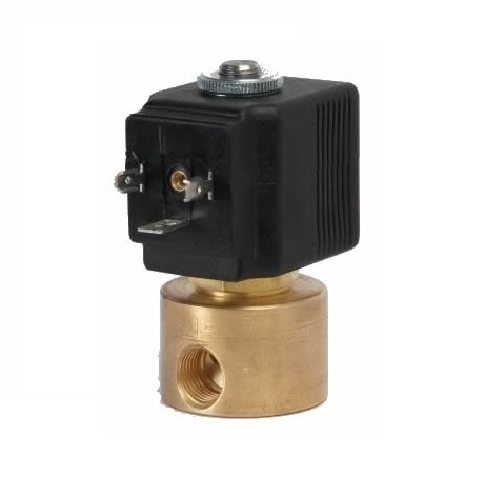
As applications that require opening and closing are systems or processes that require precise control to ensure efficiency and safety. These mechanisms are common in several industries, such as automotive, pharmaceutical and manufacturing. Opening and closing control can be carried out using valves, actuators and pneumatic systems, which allow the automation of tasks, reducing the need for manual intervention.
Application Examples
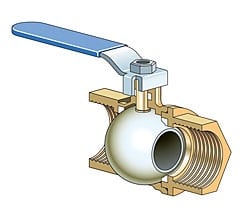
A classic example is the use of valves in plumbing systems, where opening and closing control the flow of water. In factories, pneumatic actuators are used to move parts on assembly lines, ensuring that each component is positioned correctly. These systems not only increase productivity, but also minimize errors and accident risks.
Importance of Precise Control
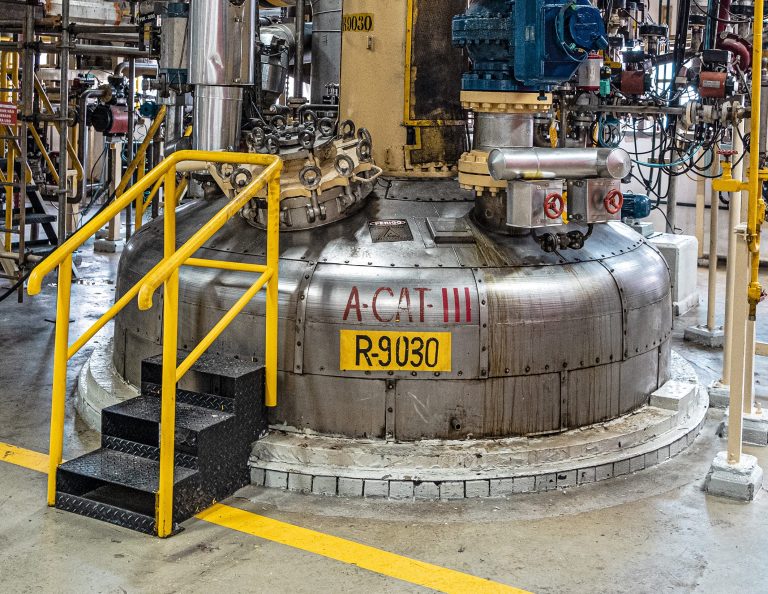
Precise opening and closing control is vital for operational safety. In chemical industries, for example, safety valves are essential to prevent leaks of dangerous substances. Furthermore, the automation of these processes contributes to consistency in production, resulting in superior quality products.
Future Trends
As technology advances, applications that require opening and closing are expected to become even more sophisticated. Integration with artificial intelligence and IoT (Internet of Things) systems will allow real-time monitoring and automatic adjustments, increasing the efficiency and safety of industrial processes.
Practical examples in everyday life
In everyday life, applications that require opening and closing They are present in various situations, facilitating tasks and increasing efficiency. A practical example is the use of control valves in irrigation systems. These valves allow you to regulate the flow of water, ensuring that the plants receive the ideal amount of humidity.
Use in Automobiles
In automobiles, opening and closing systems are essential for proper functioning. To the intake and exhaust valves They control the entry and exit of gases into the engine, optimizing performance and fuel efficiency. Furthermore, electric actuators are used to open and close windows and doors, providing comfort and safety to occupants.
Home Applications
At home we find applications such as automatic shutters that open and close at the touch of a button. These systems not only offer convenience, but also help regulate indoor temperatures, contributing to energy efficiency. Another example is heating systems, where valves control the circulation of hot water, ensuring a comfortable environment.
Industry and Manufacturing
In the industrial sector, applications are even more complex. Packaging machines use opening and closing systems to ensure that products are properly sealed. Furthermore, in assembly lines, pneumatic actuators are used to move parts quickly and accurately, increasing productivity and reducing errors.
Implications in the business sector
As applications that require opening and closing have a significant impact on the business sector, influencing operational efficiency and security. Automating these processes allows companies to reduce costs and increase productivity. For example, implementing automatic valves in production lines can minimize downtime and ensure a continuous flow of operations.
Cost reduction
With automation, companies can reduce the need for manual labor for repetitive tasks, such as controlling flow in plumbing systems or moving parts on assembly lines. This not only lowers operational costs, but also frees up employees to focus on more strategic activities.
Increased Security
Safety is a primary concern in industrial environments. Automated opening and closing systems, such as safety valves, are essential to prevent accidents and leaks of dangerous substances. Implementing technologies that ensure proper valve closure in emergency situations can save lives and protect valuable assets.
Improvement in Product Quality
Precise opening and closing control also contributes to improving product quality. In manufacturing processes, automation ensures that each step is carried out with precision, resulting in higher quality final products. This is especially important in industries such as pharmaceuticals, where compliance with strict standards is crucial.
Innovation and Competitiveness
Companies that adopt automation technologies in their opening and closing applications are better positioned to innovate and remain competitive in the market. The ability to quickly adapt processes and implement new technological solutions allows these companies to respond to market demands more effectively.
Future trends in this context
As future trends in applications that require opening and closing are being shaped by technological innovations and the growing demand for efficiency and security. Automation and intelligent systems integration are becoming increasingly common, allowing companies to optimize their processes.
Integration with IoT
The Internet of Things (IoT) is revolutionizing the way opening and closing applications are managed. Connected sensors can monitor the status of valves and actuators in real time, enabling automatic adjustments and predictive maintenance. This not only improves efficiency but also reduces the risk of operational failures.
Artificial Intelligence and Machine Learning
Artificial intelligence (AI) and machine learning are increasingly being used to analyze data collected from opening and closing systems. This data can be used to predict usage patterns and optimize equipment performance, resulting in more efficient and safer operations.
Sustainability and Energy Efficiency
With growing concerns about sustainability, applications that require opening and closing are adapting to be more energy efficient. Technologies that minimize energy consumption during the operation of valves and actuators are becoming a priority, helping companies reduce their carbon footprint.
Advanced Automation
Advanced automation, including robotics and intelligent control systems, is becoming a norm across industries. This allows opening and closing applications to be integrated into wider production systems, increasing flexibility and responsiveness to market demands.
Final Thoughts on Applications Requiring Opening and Closing
Applications that require opening and closing are essential in various sectors, from industry to everyday life. They not only increase efficiency, but also guarantee safety and quality in processes.
With the advancement of technology, such as integration with IoT and the use of artificial intelligence, these applications are becoming even more sophisticated. Companies that adopt these innovations are better positioned to remain competitive and meet market demands.
Therefore, investing in solutions that optimize opening and closing control is essential for any business seeking growth and sustainability in the future.
FAQ – Frequently asked questions about applications that require opening and closing
What are the main benefits of applications that require opening and closing?
These applications increase operational efficiency, ensure safety and improve product quality.
How can automation impact opening and closing control?
Automation reduces the need for manual intervention, minimizes errors and increases productivity.
What technologies are shaping the future of these applications?
Technologies such as IoT, artificial intelligence and advanced automation are transforming the way applications work.
Why is safety important in opening and closing applications?
Safety is crucial to prevent accidents and leaks, especially in industries that deal with hazardous substances.
How can companies benefit from IoT integration?
Integration with IoT enables real-time monitoring and predictive maintenance, improving efficiency and reducing failures.
What are the future trends for applications that require opening and closing?
Trends include greater automation, energy efficiency and the use of smart technologies to optimize processes.