Output pressure is a critical parameter in pneumatic systems, directly influencing the efficiency and effectiveness of industrial operations. In this article, we will explore the concept of outlet pressure, its practical applications, and best practices for ensuring optimal performance in pneumatic systems.
1. What is Output Pressure?
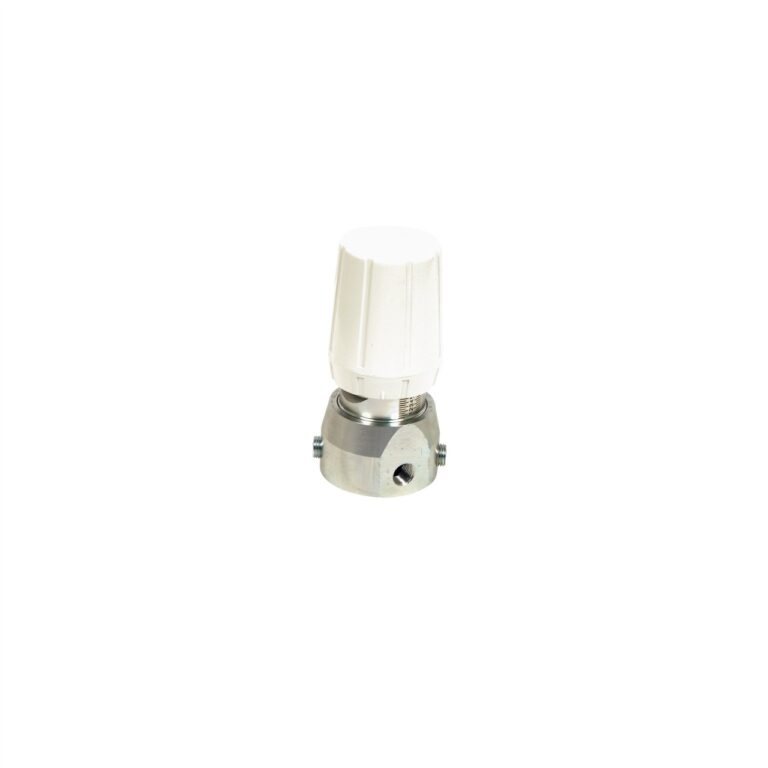
A outlet pressure is a fundamental parameter in pneumatic systems, referring to the pressure of the air or gas exiting a device, such as a valve or actuator. This pressure is crucial for the proper functioning of industrial equipment, as it determines the force and speed at which pneumatic components operate.
In practical terms, outlet pressure is measured in units such as psi (pounds per square inch) or bar. Correctly setting the outlet pressure is essential to ensure that the system meets operating specifications. For example, if the outlet pressure is too low, the equipment may not operate efficiently, resulting in lost productivity.
Furthermore, the outlet pressure must be adjusted according to the specific needs of each application. This means that different machines and processes may require different levels of pressure to operate optimally. Understanding this concept is vital for engineers and technicians working with automation and pneumatic systems.
In summary, outlet pressure is a critical element that directly impacts the efficiency and effectiveness of pneumatic systems, being essential for the success of industrial operations.
2. How to Measure Outlet Pressure?
measure to outlet pressure It is an essential task to ensure the proper functioning of pneumatic systems. There are several tools and methods available to perform this measurement, each with its specific characteristics.
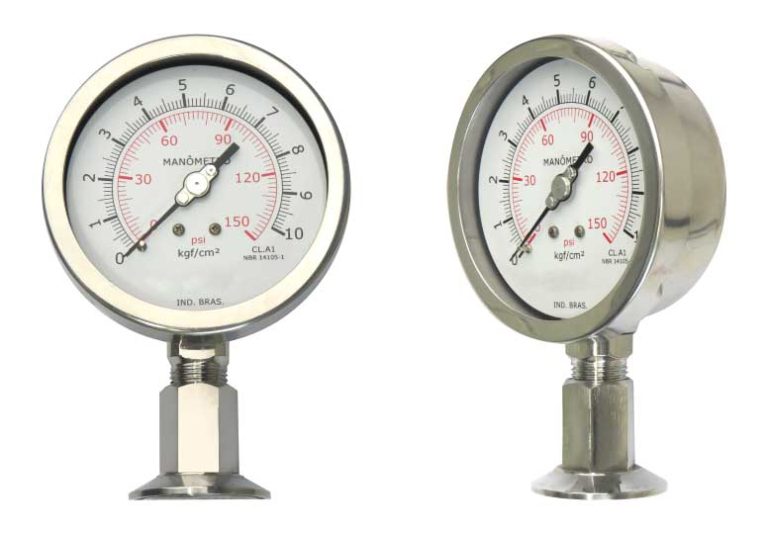
One of the most common instruments is the gauge, which can be analog or digital. The analog pressure gauge uses a pointer that moves on a graduated scale, while the digital pressure gauge provides a direct numerical reading. To measure the outlet pressure, the pressure gauge must be connected to the system outlet point, ensuring that the reading is accurate.
Furthermore, it is important to consider the calibration of the manometer. An uncalibrated pressure gauge can provide inaccurate readings, leading to poor decisions about system operation. Calibration must be done regularly, following the manufacturer's recommendations.
Another measurement method involves using pressure transducers, which convert pressure into an electrical signal. These devices are often used in automated systems as they allow real-time monitoring and integration with control systems. The installation of transducers must be done carefully, ensuring that they are positioned correctly to capture the output pressure.
Finally, it is essential to record outlet pressure measurements over time. This helps identify trends and potential issues in the system, enabling corrective action before significant failures occur. Continuous monitoring is a best practice for maintaining the efficiency and safety of pneumatic systems.
3. Impacts of Outlet Pressure on System Efficiency
A outlet pressure plays a crucial role in the efficiency of pneumatic systems. When the outlet pressure is correctly adjusted, the system operates optimally, resulting in greater productivity and lower energy consumption.
One of the main impacts of outlet pressure is the actuation force of pneumatic components. If the output pressure is too low, the actuators may not have enough power to perform their functions, leading to operational failures. On the other hand, excessive pressure can cause premature wear of components and increase the risk of failure.
Furthermore, the outlet pressure affects the operating speed of systems. Systems with adequate outlet pressure can operate at ideal speeds, increasing process efficiency. On the other hand, inadequate pressure can result in slow or inaccurate movements, impacting the quality of the final product.
Another important aspect is the energy consumption. Systems that operate with optimized outlet pressure tend to consume less energy, as they do not need to compensate for the lack of pressure. This not only reduces operating costs, but also contributes to environmental sustainability.
Finally, the outlet pressure influences the security of the system. Inadequate pressures can lead to leaks or catastrophic failures, putting equipment integrity and operator safety at risk. Therefore, maintaining output pressure within recommended parameters is essential to ensure the safe and efficient operation of pneumatic systems.
4. Best Practices for Optimizing Outlet Pressure
To ensure the outlet pressure optimization In pneumatic systems, it is essential to follow some best practices that help maintain the efficiency and safety of the system.
One of the first practices is to carry out regular maintenance of equipment. This includes checking pressure gauges, valves and actuators. Preventative maintenance helps identify problems before they become critical, ensuring that outlet pressure is always within ideal parameters.
Another important practice is the instrument calibration measurement. Pressure gauges and transducers must be calibrated periodically to ensure readings are accurate. An uncalibrated instrument can lead to inappropriate adjustments in output pressure, resulting in operational failures.
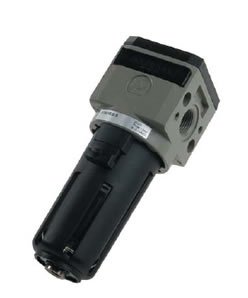
Furthermore, it is essential to monitor the compressed air quality. The presence of moisture, oil or particles in the air can affect the performance of pneumatic components. Using air filters and dryers helps maintain air quality, contributing to stable and efficient output pressure.
Implement automatic control systems It's also an excellent practice. These systems can adjust output pressure in real time based on process needs. This not only improves efficiency but also reduces energy consumption.
Finally, it is important to train the team on the importance of outlet pressure and how it affects system performance. A well-trained operator can quickly identify problems and make informed decisions to optimize output pressure, ensuring safe and efficient operation of the pneumatic system.