The injection point is a crucial component in polymer dosing systems, allowing precise injection of additives in industrial processes. With the appropriate technology, it is possible to achieve significant homogeneity and proportional dosage, improving the quality of the final product. In this article, we will explore the advantages and applications of injection point in different industries.
What is the injection point?
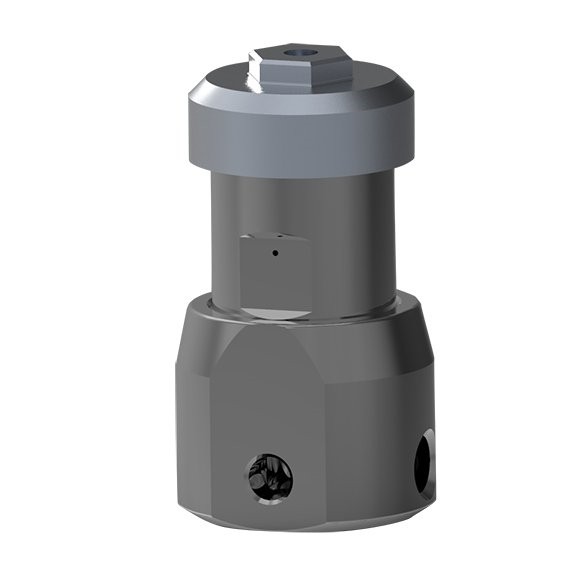
O injection point It is a fundamental element in fluid dosing systems, especially in industrial processes that involve the injection of additives or polymers.
It refers to the exact location where a material is introduced into a production flow, ensuring that mixing occurs in an efficient and controlled manner.
This component is designed to optimize the distribution of materials and improve the homogeneity of the mixture.
Accuracy in locating the injection point is crucial, as it directly influences the quality of the final product.
A well-positioned injection point can minimize the formation of air bubbles and ensure that additives are incorporated evenly.
Additionally, the injection point can be adjusted for different types of materials and processes, allowing flexibility that is essential in dynamic industrial environments.
Choosing the appropriate injection point can impact not only process efficiency, but also sustainability and resource savings.
Advantages of the injection point in industrial processes
O injection point offers several advantages in industrial processes, contributing to production efficiency and quality. One of the main advantages is the dosage accuracy of additives, which ensures that the exact amount of material is injected at the right time. This is essential to avoid waste and ensure the consistency of the final product.
Another significant advantage is the cost reduction. With a well-designed injection point, companies can minimize the use of materials, resulting in resource savings. Furthermore, the efficiency of the production process is increased, allowing companies to meet demand more quickly.
The injection point also improves the Product Quality. The uniform mixing of additives and polymers results in final products with superior properties, such as greater strength and durability. This is especially important in sectors such as plastics and paints, where quality is a critical factor.
Additionally, injection point flexibility allows companies to quickly adapt to new formulations and production requirements. This is essential in an ever-changing market, where the ability to innovate and adjust to customer needs can be a competitive differentiator.
Applications of injection point in different sectors
O injection point It is widely used in various industrial sectors, each taking advantage of its characteristics to optimize processes and improve product quality.
In the sector of plastics, for example, the injection point is crucial for mixing additives that give specific properties to the material, such as impact resistance and durability. Precision in injection ensures that the formulation meets the standards required by the market.
In the sector of paints and coatings, the injection point allows the controlled addition of pigments and additives that influence the color and texture of the final product. This results in high quality paints, with better adhesion and finish. The ability to adjust the injection point for different formulations is a significant competitive advantage.
Furthermore, in the industry alimony, the injection point is used to add preservatives and flavorings to processed products. Precision in dosing is essential to ensure food safety and flavor consistency. Automating this process through pneumatic injection systems improves efficiency and reduces the risk of contamination.
Finally, in the pharmaceutical, the injection point is vital for the production of medicines, where precision and sterility are fundamental. Controlled injection of active ingredients ensures that each batch meets the rigorous quality and efficacy standards required by the industry.
Technology and innovation at the injection point
A technology applied to injection point has advanced significantly, bringing innovations that improve the efficiency and precision of industrial processes. Modern injection systems use Intelligent sensors which monitor dosage and pressure in real time, ensuring that parameters are always within the desired specifications.
One of the most notable innovations is the integration of automation e digital control. This allows operators to quickly adjust injection points as needed, adapting to different formulations and production requirements. Automation not only increases precision, but also reduces setup time, resulting in more agile production.
In addition, the use of simulation software has become common. These programs allow engineers to test different injection point configurations before implementation, saving time and resources. Simulation helps predict material behavior during the injection process, minimizing errors and improving the quality of the final product.
Another important innovation is the application of sustainable technologies. With the growing demand for greener industrial practices, many injection point systems are being designed to reduce material waste and minimize environmental impact. This includes using recyclable materials and optimizing energy consumption during the injection process.
Considerations for implementing injection point
Implement a injection point Effective production requires a series of considerations that can directly impact the efficiency of the production process. Firstly, it is essential to carry out a detailed analysis of the production flow. This involves understanding where the injection point will be installed and how it interacts with other system components. The location should be chosen to maximize the homogeneity of the mixture and minimize the formation of air bubbles.
Another important aspect is the material specification to be injected. Different polymers and additives can have different characteristics, such as viscosity and reactivity. Therefore, it is critical to choose an injection point that can handle these variations, ensuring dosing is accurate and consistent.
A regular maintenance of the injection system must also be considered. Poorly maintained equipment can lead to process failures, resulting in lower quality products. Establishing a preventive maintenance schedule helps identify problems before they affect production.
In addition, the Team training is crucial. Operators must be well informed about how the injection system works and the best practices for its operation. This includes knowing how to adjust injection parameters and how to deal with possible failures.
Finally, it is important to consider the Integration with automation systems. Automation can improve injection point accuracy and efficiency, allowing for real-time adjustments and continuous process monitoring. Choosing compatible technologies is essential to ensure a successful implementation.