Flow modulation is a fundamental concept in pneumatic automation, allowing precise control of air and fluid flow in industrial systems. In this article, we will explore the key aspects of flow modulation, its applications and benefits, as well as how to implement it effectively in your operation.
What is Flow Modulation? – Definition and basic principles of flow modulation in pneumatic systems.
A flow modulation refers to the precise control of the amount of air or fluid that passes through a pneumatic system. This control is essential to ensure that industrial processes operate efficiently and safely. Modulation can be carried out through devices such as valves and actuators, which adjust opening and closing according to the system's needs.
Os basic principles Flow modulation involves the use of sensors and controllers that monitor system conditions in real time. These devices are capable of automatically adjusting flow, ensuring that the pressure and velocity of the air or fluid remain within desired limits. This not only improves efficiency but also extends the life of equipment.
Furthermore, flow modulation allows for quick response to changes in operating conditions, such as variations in production demand. This is especially important in industrial environments where accuracy and reliability are crucial.
In summary, flow modulation is a vital technique in pneumatic automation that ensures systems function optimally, reducing waste and improving productivity.
Benefits of Flow Modulation in Industry – How flow modulation can increase efficiency and reduce operating costs.
A flow modulation brings several benefits to the industry, especially with regard to operational efficiency. One of the main gains is the ability to adjust the air or fluid flow according to the specific needs of each process. This means that, instead of operating at a fixed level, systems can be optimized to operate in different conditions, resulting in a more rational use of resources.
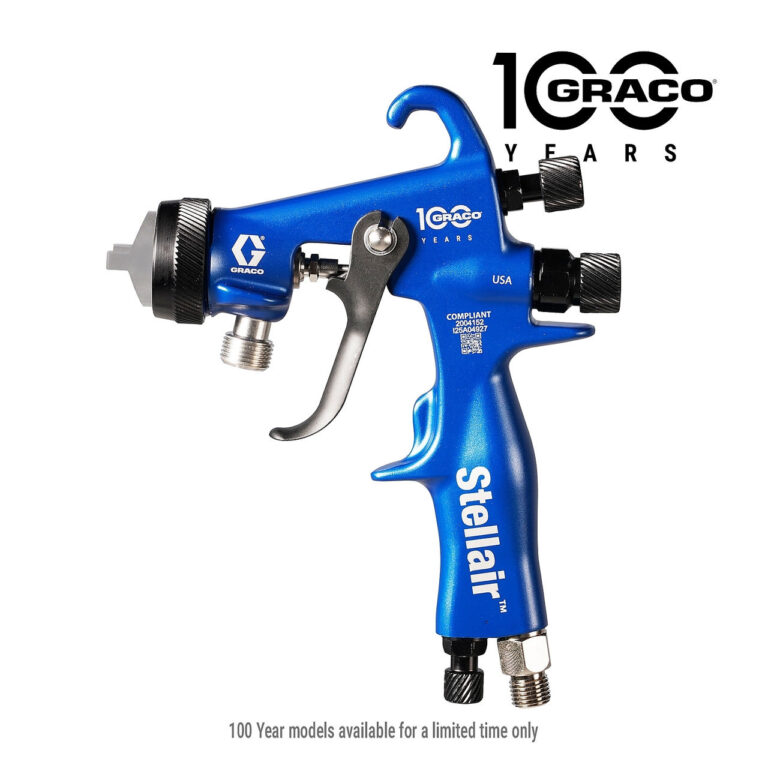
Furthermore, flow modulation contributes to the cost reduction. By avoiding waste of energy and materials, companies can save significantly. For example, in painting systems, modulation allows the amount of paint used to be adjusted according to demand, avoiding excesses and ensuring a more precise application.
Another important benefit is the predictive maintenance. With flow modulation, it is possible to monitor system performance in real time, identifying faults before they become serious problems. This not only reduces corrective maintenance costs, but also increases equipment availability.
Finally, flow modulation improves the Final Product Quality. With more precise control, unwanted variations are minimized, resulting in more consistent, higher quality products. This is especially relevant in industries where precision is crucial, such as pharmaceuticals and food.
Practical Applications of Flow Modulation – Examples of how flow modulation is used in different industrial sectors.
A flow modulation It is widely used in various industrial sectors, providing efficient and adaptable solutions. A clear example is in automotive industry, where flow modulation is applied in painting systems. Here, the amount of paint is adjusted as needed, ensuring uniform coverage and reducing material waste.
In the sector food, flow modulation is essential for controlling packaging processes. Pneumatic systems adjust pressure and air flow to ensure that packages are sealed correctly, preventing contamination and ensuring the quality of the final product.
Another example is in pharmaceutical, where precision is crucial. Flow modulation allows for tight control of fluids in dosing processes, ensuring that each unit of product receives the exact amount of active ingredient. This not only improves the quality of the medicine but also meets strict safety standards.
Also, in manufacturing industry, flow modulation is used in pneumatic conveying systems. Here, the flow of materials is adjusted to optimize the movement of products along the production line, increasing efficiency and reducing downtime.
These examples demonstrate how flow modulation is a versatile and essential tool in different sectors, contributing to operational efficiency and product quality.
How to Implement Flow Modulation in Your System – Tips and best practices for integrating flow modulation into pneumatic processes.
Implement to flow modulation in pneumatic systems requires careful planning and the choice of appropriate components. The first step is to carry out a needs analysis of your process. Identify which areas can benefit from flow control and what the specific pressure and volume requirements are.
Then choose control devices that meet your needs. Proportional valves and pneumatic actuators are essential for flow modulation. These devices allow fine adjustments to air or fluid flow, ensuring the system operates efficiently.
Another important tip is to integrate pressure and flow sensors to the system. These sensors provide real-time data, allowing the system to automatically adjust flow as needed. This not only improves efficiency but also helps prevent equipment failures and damage.
Furthermore, it is essential to carry out tests and calibrations after installation. This ensures that all components are functioning correctly and that the system is responding as expected. Monitor performance regularly to identify areas for improvement and adjust as needed.
Finally, consider the Team training that will operate the system. A good understanding of how flow modulation works and how to use the controls appropriately is crucial to maximizing the benefits of this technology.