The manometer is an essential instrument for measuring the pressure of gases and liquids in various industrial sectors. In this article, we will cover the different types of pressure gauges, their practical applications and tips for choosing the most suitable model.
What is a Manometer?
One gauge is a device used to measure the pressure of gases or liquids in a system. It is essential in several industrial applications, as it allows you to monitor and control pressure in processes that require precision.
The operation of the pressure gauge is based on the deformation of a pressure-sensitive element, which can be a U-tube, a diaphragm or a bourdon. This deformation is converted into a pressure reading, usually displayed on a calibrated scale.
There are different types of pressure gauges, each designed to meet specific needs. For example, U-tube pressure gauges are simple and effective, while digital pressure gauges offer more accurate readings and can include additional features such as alarms and data logging.
The choice of pressure gauge type depends on the medium to be measured, the pressure range and environmental conditions.
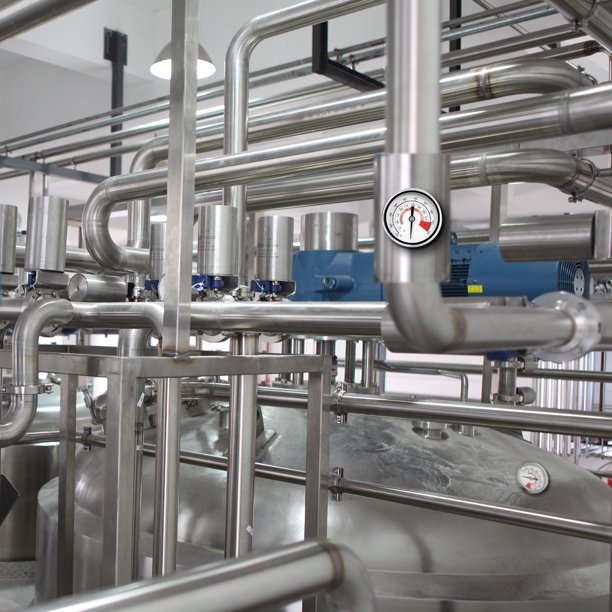
Furthermore, pressure gauges are essential in sectors such as the chemical, petrochemical, food and pharmaceutical industries, where pressure must be constantly monitored to ensure the safety and efficiency of processes.
In summary, the pressure gauge is a crucial instrument that contributes to the safe and efficient operation of systems involving pressure.
Types of Manometers
Os types of pressure gauges vary depending on the application and characteristics of the system you want to measure. Among the most common, the following stand out:
- U-Tube Pressure Gauge: This is one of the simplest and most classic models. It consists of a U-shaped tube, where the difference in height of the liquid on each side indicates the pressure. It is ideal for low pressure measurements and is widely used in laboratories.
- Bourdon pressure gauge: This type uses a curved tube that deforms when pressure is applied. The deformation is converted into a pressure reading on a dial. It is widely used in industrial applications due to its robustness and precision.
- Digital Manometer: Digital pressure gauges provide electronic pressure readings. They are more accurate and can include features such as alarms and data storage. They are ideal for applications that require constant monitoring and precision.
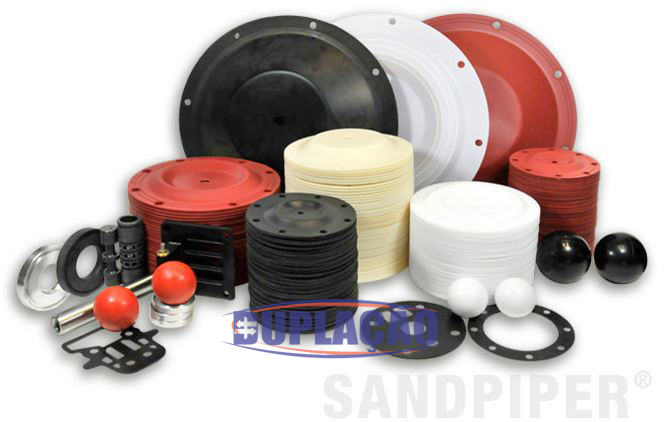
- Diaphragm Pressure Gauge: This type uses a flexible diaphragm that deforms under pressure. It is especially useful for measuring pressures in corrosive or viscous fluids, as it can be designed with materials resistant to these fluids.
The choice of the type of pressure gauge must consider factors such as the pressure range, the medium to be measured and the environmental conditions. Each type has its advantages and disadvantages, and correct selection is crucial to ensuring accurate and reliable measurements.
Manometer Applications
Os gauge They are used in various industrial and commercial applications, playing a crucial role in pressure measurement. Some of the main applications include:
- Chemical Industry: In the chemical industry, pressure gauges are essential for monitoring pressure in reactors and tanks. This ensures that chemical reactions occur under safe and efficient conditions.
- Food sector: In food production processes, pressure gauges help control pressure in packaging and pasteurization systems. This is vital to maintaining the quality and safety of food products.
- Petrochemical industry: Pressure gauges are widely used in refineries and petrochemical plants to monitor pressure in pipelines and storage tanks. This is essential to prevent leaks and ensure operational safety.
- Water treatment: In water treatment plants, pressure gauges are used to measure pressure in pumping and filtration systems. This ensures that the treated water meets quality standards.
- Automotive Sector: In vehicles, pressure gauges are used to monitor oil and fuel pressure. This helps ensure proper engine operation and prevent failure.
These applications demonstrate the importance of pressure gauges in ensuring safety, efficiency and quality in various sectors. Choosing the appropriate type of pressure gauge is essential to meet the specific needs of each application.
How to Choose the Ideal Manometer
Choose the ideal pressure gauge It is an important task that requires attention to several factors. Here are some guidelines to help with selection:
- Measurement Type: Determine whether you need an absolute, gauge, or differential pressure measurement. This will influence the type of pressure gauge to be chosen.
- Pressure range: Check the pressure range that the pressure gauge should measure. It is essential to choose a model that can withstand the maximum expected pressure, but also has adequate accuracy in the operating range.
- Means to be Measured: Consider the type of fluid that will be measured. If it is a corrosive liquid, a pressure gauge with corrosion-resistant materials such as stainless steel is essential. For gases, the choice can be more flexible.
- Working Environment: Evaluate the environmental conditions where the pressure gauge will be installed. Factors such as temperature, humidity and the presence of vibrations can affect the choice of model. Digital pressure gauges, for example, may be more sensitive to adverse conditions.
- Accuracy and Resolution: Pressure gauge accuracy is crucial, especially in applications where small pressure variations can have large impacts. Check the manufacturer's specifications to ensure the pressure gauge meets accuracy requirements.
- Ease of Reading: Consider how easy the pressure gauge is to read. Digital pressure gauges generally provide clearer readings and may include additional features such as alarms and data logging.
Following these guidelines will help ensure that you choose a pressure gauge that meets your specific needs and provides reliable, accurate measurements.