Pressure release is a fundamental concept in pneumatic and hydraulic systems, essential to ensure efficiency and safety in various industrial applications. In this article, we will address the main characteristics of pressure release, its practical applications and the importance of adequate control for equipment performance.
What is pressure release?
O pressure release refers to the process of applying a force to a fluid, resulting in an increase in pressure within a system. This concept is fundamental in pneumatic and hydraulic systems, where pressure is used to move, control and automate processes.
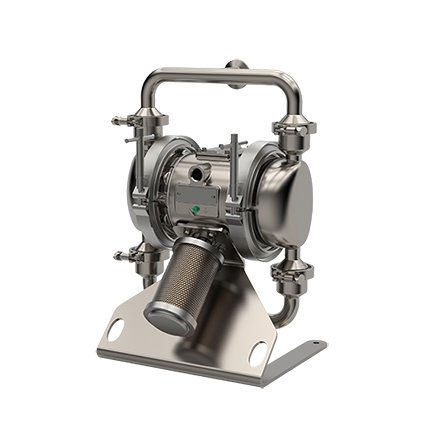
Pressure release is often accomplished by means of bombs e actuators, which are designed to generate and maintain the pressure necessary for the equipment to function properly.
In an industrial system, pressure release control is crucial to ensure the efficiency and safety of operations. Inadequate pressure can lead to equipment failures, wasted energy and even accidents. Therefore, it is essential that engineers and operators understand how pressure release works and how it can be optimized to meet the specific needs of each application.
Furthermore, pressure release can be influenced by several factors, such as fluid viscosity, temperature and pipe diameter. The correct choice of components and adequate system sizing are essential to guarantee efficient and reliable performance.
Importance of pressure control in industrial systems
A importance of pressure control in industrial systems cannot be underestimated. Proper pressure is essential for the efficient operation of pneumatic and hydraulic equipment. When pressure is maintained within ideal levels, systems operate optimally, resulting in greater productivity and lower energy consumption.
Inadequate pressure control can lead to a series of problems, such as mechanical failures, leaks and even work accidents. For example, in a production line, excessive pressure can cause hoses or components to rupture, resulting in unexpected downtime and high maintenance costs.
Furthermore, pressure control is crucial to ensure Product Quality. In painting processes, for example, pressure must be adjusted to ensure uniform application and avoid waste. Therefore, implementing pressure monitoring and control systems is a recommended practice for any industrial facility.
Finally, regular maintenance and calibration of pressure measuring instruments are critical to ensuring systems remain within desired specifications. This not only improves operational efficiency but also extends the life of equipment.
Practical applications of pressure release
As practical applications of pressure release are diverse and essential in various industries. A common example is the use in painting systems, where controlled pressure is essential to ensure a uniform, high-quality application. Adequate pressure allows the paint to be sprayed efficiently, avoiding waste and ensuring a perfect finish.
Another example is in assembly lines, where pressure release is used to move parts and components quickly and precisely. Pneumatic systems use compressed air to drive cylinders that move parts, facilitating automation and increasing productivity.
Furthermore, pressure release is crucial in packaging processes. In packaging machines, pressure is used to seal packages securely, ensuring that products remain protected and preserved. Insufficient pressure can result in poorly sealed packaging, compromising the integrity of the product.
In the food industry, pressure release is used in filling machines, where pressure controls the flow of liquids and solids. This ensures that the correct quantities are packaged, avoiding waste and ensuring compliance with food safety standards.
These applications demonstrate how pressure release is a vital tool for efficiency and safety in various industrial processes, contributing to the quality and productivity of operations.
How to optimize processes using pressure release
To optimize processes using pressure release, it is essential to adopt some practices and technologies that guarantee efficiency and safety.
Firstly, the appropriate choice of components of the system is crucial. Pumps, valves and actuators should be selected based on the specific needs of the application, taking into account factors such as flow, pressure e Type of fluid.
Another important strategy is the automation of the processes. Automated pressure control systems allow real-time adjustments, ensuring that pressure remains within ideal limits. This not only improves efficiency but also reduces the risk of failures and accidents.
In addition, the preventive maintenance is essential for optimizing system performance. Performing regular inspections and calibrations on pressure measuring instruments helps identify problems before they become critical. This ensures that the system operates reliably and efficiently.
Staff training also plays a vital role. Well-trained operators are able to quickly identify anomalies and adjust system parameters as needed. This contributes to safer and more efficient operation.
Finally, the implementation of monitoring technologies Real-time sensors and remote control systems allow operators to continuously monitor pressure and make instantaneous adjustments. This not only improves efficiency, but also provides valuable data for performance analysis and decision making.
Challenges and solutions in pressure control
Os challenges in pressure control in industrial systems are varied and can directly impact the efficiency and safety of operations. One of the main challenges is the pressure variation, which can occur due to changes in temperature, fluid viscosity or even failures in system components. These variations can lead to inadequate performance and security risks.
Another challenge is the inadequate maintenance of equipment. Lack of regular inspections and calibration of measuring instruments can result in inaccurate readings, making effective pressure control difficult. This can lead to catastrophic failures and high repair costs.
To face these challenges, it is essential to implement effective solutions. Adopting real-time monitoring systems allows operators to continuously monitor pressure and make instantaneous adjustments. Advanced sensors and automation technology can help detect variations quickly, ensuring the system remains within desired parameters.
A preventive maintenance is also a crucial solution. Conducting regular inspections and performance tests helps identify problems before they become critical. Furthermore, team training is essential. Regular training ensures that operators are aware of the correct procedures and best practices for pressure control.
Finally, the implementation of security protocols and the use of pressure relief valves can prevent accidents and guarantee the integrity of the system. These measures help create a safer and more efficient work environment, minimizing the risks associated with pressure control.