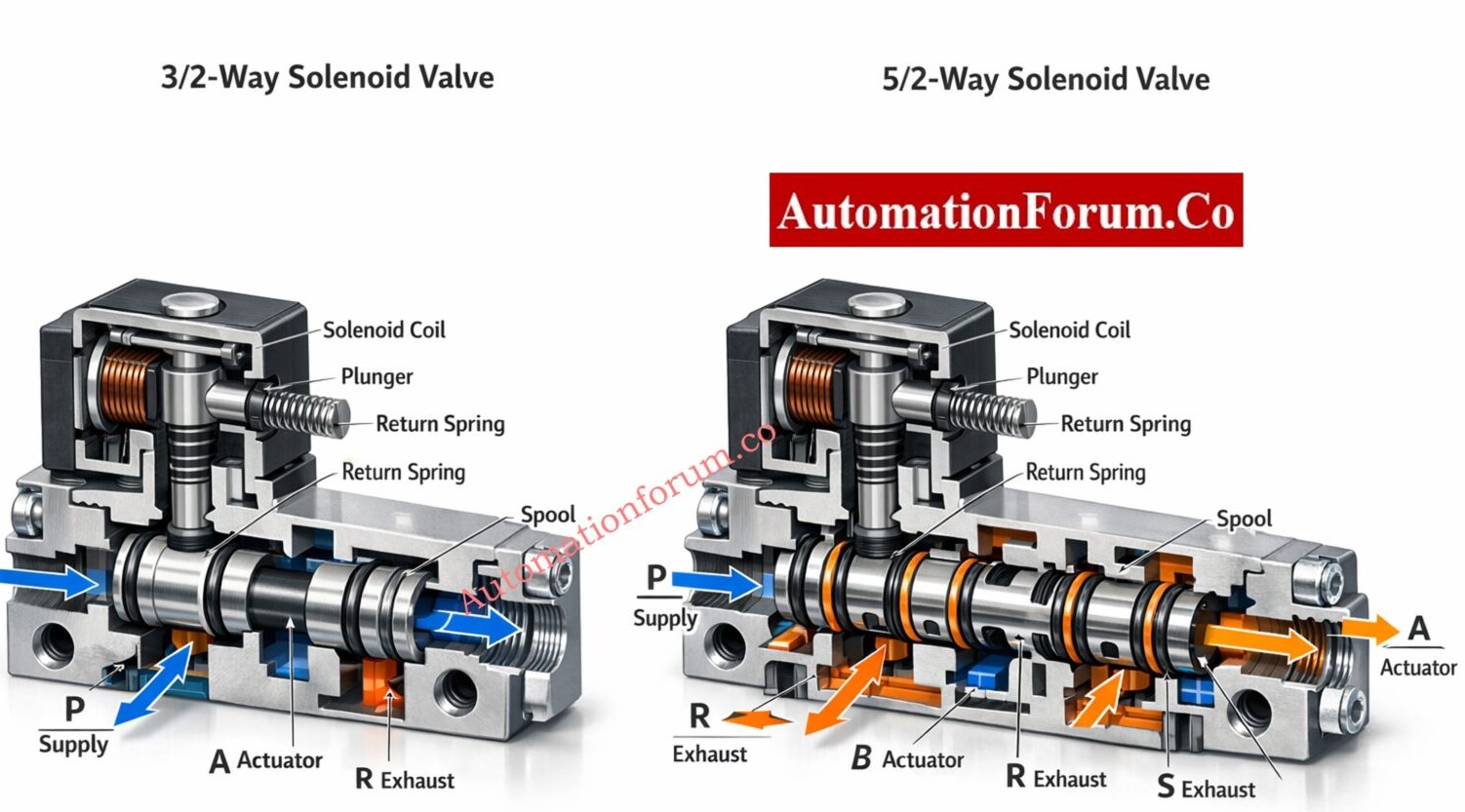
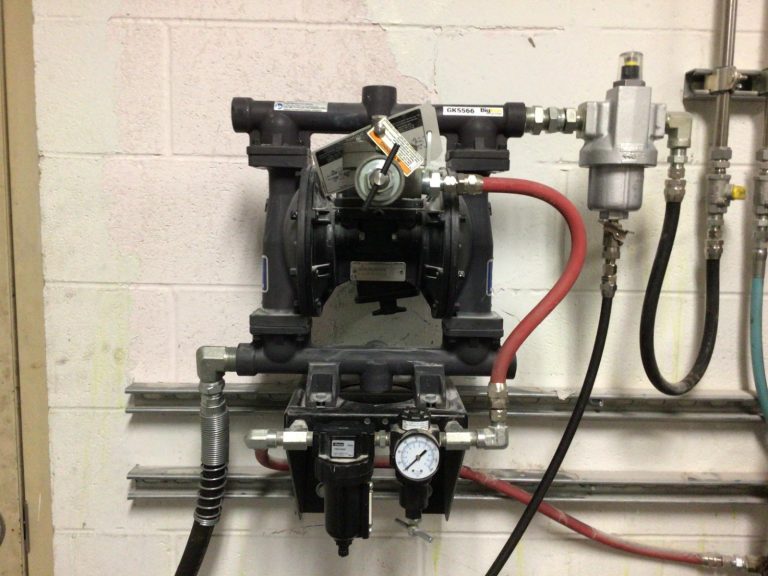
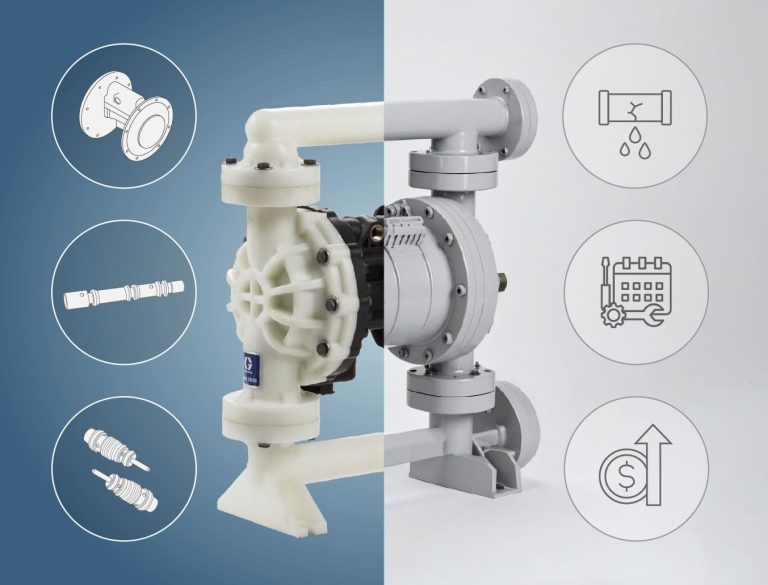
Keeping pneumatic valves in good condition is crucial to the system's efficiency. Identify signs of wear, perform regular maintenance and use quality materials to extend its useful life and ensure operational safety.
Os signs of wear pneumatic valves can cause unexpected failures and losses to operations. Detecting these signs early is crucial to ensuring the automation system operates efficiently and safely. In this article, we'll discuss what causes wear, how to identify it, and best practices for maintaining pneumatic valves.
What causes pneumatic valves to wear out?
The wear of pneumatic valves It can be caused by several factors that affect its performance and durability. Understanding these causes is essential to avoid failures and ensure the efficiency of the pneumatic system.
Wear Factors
One of the main factors contributing to wear is the friction between the moving parts of the valve. Continuous use and lack of adequate lubrication can increase this friction, leading to premature wear.
Air Contamination
The presence of solid particles or humidity in compressed air can cause significant damage to the valves. These impurities can accumulate on internal surfaces, resulting in corrosion and blockages.
Temperature and Pressure
Extreme variations of temperature e pressure can also affect the integrity of the valves. Operating outside of recommended specifications can lead to mechanical failure and accelerated wear.
Inadequate Maintenance
Lack of regular maintenance is a critical factor. Inspecting and replacing worn components, in addition to periodic cleaning, are essential practices to extend the useful life of pneumatic valves.
Main signs of wear to look out for
Identify the main signs of wear in pneumatic valves is crucial to avoid system failures. Early detection can save time and resources and ensure operational safety.
Visible Leaks
One of the most obvious signs of wear is the presence of leaks around the valve. This may indicate that the seals are damaged or that the valve is not working properly.
Abnormal Noises
Unusual noises during operation, such as clicks or buzzing, may be a sign of worn or poorly adjusted internal components. These sounds should be investigated immediately.
Irregular Performance
If the valve is not responding consistently, showing flutuações na pressão or in flow, this may be an indication of wear. Monitoring performance is essential to detect these irregularities.
Corrosion and Visible Damage
Corrosion on the external or internal surfaces of the valve is a clear sign that the equipment is deteriorating. Regularly inspect valves for visible damage It is essential for preventative maintenance.
How to maintain pneumatic valves
Carry out the maintenance of pneumatic valves It is essential to ensure its efficient operation and extend its useful life. Below are some best practices for proper maintenance.
Regular inspection
It is important to carry out regular inspections of valves to identify signs of wear or damage. Check if there is leaks, corrosion or any anomaly that may affect performance.
Periodic Cleaning
Valves must be cleaned periodically to remove dirt and contaminants that could compromise their operation. Use suitable cleaning products and follow the manufacturer's recommendations.
Proper lubrication
Lubrication is crucial to reduce friction between moving parts. Use recommended lubricants and apply them according to the manufacturer's instructions to prevent premature wear.
Component Replacement
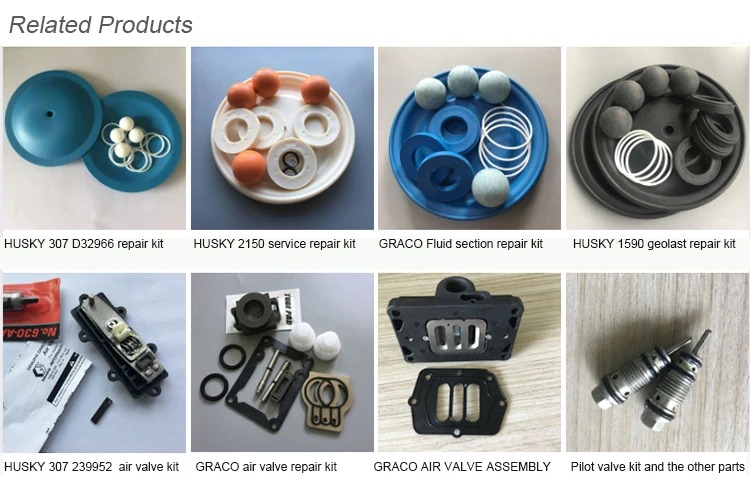
Worn components such as seals and springs must be replaced immediately. Replacing damaged parts helps maintain the efficiency and safety of the pneumatic system.
Tips for extending the life of pneumatic valves
Extend to service life of pneumatic valves is essential to ensure the efficiency and safety of the system. Here are some practical tips that can help with this process.
Choosing Quality Materials
Using valves made from high-quality materials can significantly increase their durability. Choose products from renowned manufacturers, such as Graco Inc. e Pneumax, which offer quality guarantees.
Regular Preventative Maintenance
Carrying out preventative maintenance regularly is essential. This includes inspections, cleanings and lubrications, which help identify problems before they become critical.
Operating Condition Monitoring
Monitor operating conditions, such as pressure e temperature, is vital. Operating within the manufacturer's recommended specifications prevents excessive stress on the valves.
Team training
Training the team that operates and maintains pneumatic systems is crucial. A good understanding of valve operation and best maintenance practices can prevent errors that lead to wear.
In summary, how to ensure the efficiency of pneumatic valves
Maintaining pneumatic valves in good condition is essential for the efficient operation of pneumatic systems. Identifying signs of wear, carrying out regular maintenance and adopting good practices are fundamental steps.
Furthermore, choosing quality materials and training the team are strategies that help extend the useful life of the valves. With these measures, it is possible to avoid failures and guarantee operational safety.
Therefore, take good care of your pneumatic valves and make the most of their efficiency.
FAQ – Frequently asked questions about pneumatic valve maintenance
What signs of wear should I look for on pneumatic valves?
Signs include visible leaks, abnormal noises, irregular performance and corrosion.
How can I extend the life of pneumatic valves?
Choose quality materials, perform regular preventive maintenance, monitor operating conditions and train your team.
How important is preventative maintenance for pneumatic valves?
Preventative maintenance helps identify problems before they become critical, ensuring system efficiency and safety.
What type of lubricant should I use on pneumatic valves?
Use lubricants recommended by the manufacturer, which are suitable for the operating conditions of the valves.
How often should I inspect pneumatic valves?
Inspections should be performed regularly depending on usage, but at least once a month is recommended.
What should I do if I find a leak in a pneumatic valve?
If you find a leak, stop using the valve immediately and perform necessary maintenance or replacement.