Air release is a fundamental technique in pneumatic automation systems, used to move and control various equipment. In this article, we will cover the main applications, benefits and technologies available to ensure optimized performance in your operations.
1. What is Air Launch?
Air launch is an essential process in pneumatic systems, where compressed air is used to move, control and automate equipment.
This technique is widely applied in several industries, such as automotive, food and pharmaceutical. The compressed air is directed to act on pneumatic cylinders, valves and other devices, allowing tasks such as moving parts, opening and closing valves e surface painting.
The efficiency of air release depends on several factors, including air pressure, hose diameter and system configuration. A well-designed system ensures that air is used optimally, reducing waste and increasing productivity.
Furthermore, precise airflow control is crucial to prevent failures and ensure operational safety.
2. Air Launch Applications
O air release It has diverse applications in different industrial sectors. One of the main uses is in process automation, where compressed air is used to move pneumatic cylinders that perform tasks such as elevation, transport e positioning of parts. This is common on assembly lines, where efficiency and speed are crucial.
Another important application is in industrial. Air painting systems use the release of air to atomize the paint, ensuring uniform, high-quality coverage. This method is widely used in the automotive industry and in furniture factories.
In addition, the air release is used in packaging machines, where compressed air helps form and seal packages quickly and efficiently. In processes of material handling, air is used to create pneumatic transport systems, which move products from one point to another without physical contact, reducing the risk of damage.
Finally, the air release It is also applied in cleaning, where air jets are used to remove dirt and debris from surfaces and equipment, ensuring a clean and safe working environment.
3. Air Launch Technologies and Equipment
As technologies and equipment used not air release are fundamental to guarantee the efficiency and effectiveness of pneumatic systems. One of the main components is the air compressor, which is responsible for generating the compressed air necessary for the operation of the entire system. There are different types of compressors, such as piston compressors e screw compressors, each with its own specific characteristics and applications.
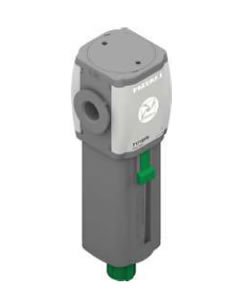
Another essential piece of equipment is the air reservoir, which stores compressed air and helps maintain constant pressure in the system. You air filters They are also important as they remove impurities and moisture from the air, ensuring that the compressed air is clean and dry, which is crucial for the proper functioning of pneumatic valves and cylinders.
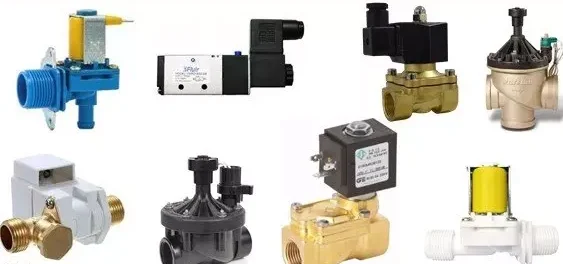
As pneumatic valves play a vital role in controlling airflow. They can be manual or automatic and are used to direct compressed air to different parts of the system. To the solenoid valves are an example of automatic valves that allow remote control of air flow.
In addition, the pneumatic cylinders are responsible for moving cargo. They convert the energy of compressed air into mechanical movement and are widely used in automation and material handling applications. Cylinders can be of different types, such as double acting cylinders e single acting cylinders, depending on the needs of the application.
Finally, the pneumatic accessories, such as hoses, connectors and pressure regulators, are essential for the assembly and operation of the air release system. The correct choice of these components is crucial to guarantee the efficiency and safety of the pneumatic system.
4. Benefits of Air Release in Industrial Processes
O air release offers several benefits in industrial processes, contributing to the efficiency and productivity of operations. One of the main benefits is the reduction of operating costs. By using compressed air efficiently, companies can reduce energy consumption and, consequently, electricity costs.
Another significant benefit is the agility in processes. Compressed air allows fast and precise movements in automated systems, which is essential in production lines. This results in an increase in the speed of product assembly and handling, improving response time to market.
In addition, the air release provides a greater security in operations. Pneumatic systems are less likely to cause accidents compared to electrical systems as they do not pose an electric shock risk. This is especially important in industrial environments where worker safety is a priority.
A flexibility is another positive point. Air launch systems can be easily adapted to different applications and needs, allowing companies to fine-tune their operations without major investments in new equipment. This adaptability is crucial in an ever-changing market.
Finally, the use of compressed air in industrial processes contributes to the sustainability. Well-designed systems can reduce material and energy waste, helping companies meet their environmental goals. Compressed air can be a more environmentally friendly alternative compared to other movement and control methods.