The solenoid valve is a crucial electromechanical device for controlling the flow of fluids in pneumatic and hydraulic systems. Proper maintenance, including regular inspections and cleaning, is vital to ensure efficiency and extend the life of the equipment.
You have already stopped to think about how solenoid valve Does it work on different systems? These small parts play a fundamental role in industrial machines and equipment, being responsible for controlling fluids in various applications. In this post, we will explain how the solenoid valve works, its practical applications and how to carry out appropriate maintenance to ensure its effective operation.
What is the solenoid valve?
A solenoid valve is an electromechanical device that controls the flow of fluids in pneumatic and hydraulic systems. It works using a simple principle: when electric current passes through a coil, it generates a magnetic field that moves a piston, opening or closing the fluid passage.
These valves are widely used in various applications such as irrigation systems, industrial automation and process control. The ability to operate quickly and accurately makes the solenoid valve a popular choice in environments where fluid control is essential.
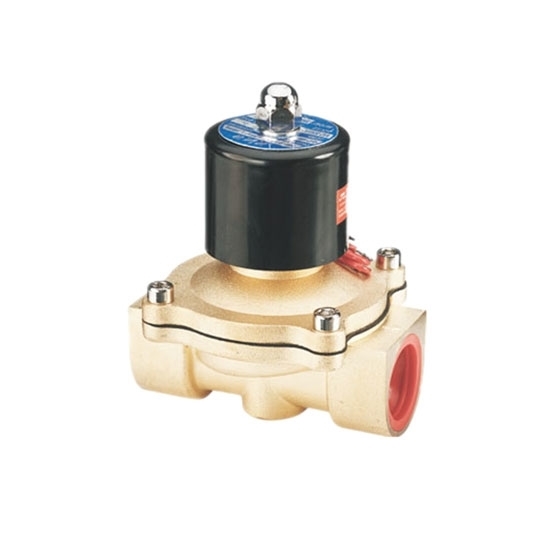
Solenoid Valve Components
A solenoid valve is made up of several main parts: the coil, plunger, spring and valve body. The coil is responsible for generating the magnetic field, while the plunger moves to open or close the fluid passage. The spring ensures that the valve returns to its original position when the current is turned off.
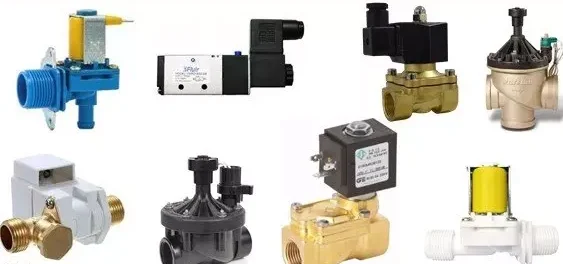
Types of Solenoid Valves
There are different types of solenoid valves, including 2-way and 3-way valves. 2-way valves control flow in a single direction, while 3-way valves can redirect flow between two outlets. Choosing the appropriate type depends on the specific application and system requirements.
Advantages of Solenoid Valves
Solenoid valves offer several advantages, such as the ability to operate remotely, quick response to activation and ease of installation. Additionally, they are generally compact and require little maintenance, making them ideal for applications where space is limited.
How does the solenoid valve work in systems?
A solenoid valve functions as a switch that controls the flow of fluids in pneumatic and hydraulic systems. When electrical current is applied to the valve coil, a magnetic field is generated, which causes the plunger to move. This movement can open or close the fluid passage, allowing or blocking the flow.
The operation of the solenoid valve can be divided into two main stages: activation and deactivation. During activation, electrical current flows to the coil, creating the magnetic field that moves the plunger. When the current is turned off, the spring returns the plunger to its original position, closing the valve.
Applications in Pneumatic Systems
In pneumatic systems, solenoid valves are used to control the pressure and flow of compressed air. They are essential in automated machines, where precision and speed in operation are crucial. For example, on an assembly line, the solenoid valve can activate pneumatic cylinders that move parts.
Applications in Hydraulic Systems
In hydraulic systems, solenoid valves control the flow of pressurized fluids, such as oil. They are used on heavy equipment, such as excavators and cranes, where precise control of movement is required. The solenoid valve allows these systems to operate efficiently and safely.
Advantages of Using Solenoid Valves
One of the main advantages of solenoid valves is their ability to operate remotely, allowing automatic process control. Furthermore, they offer a quick response and are easy to install. Maintenance is minimal, making them an ideal choice for industrial applications.
Practical applications of solenoid valve
A solenoid valve It is widely used in various practical applications due to its ability to control the flow of fluids efficiently and precisely. Let's explore some of the main applications in different sectors.
Automotive industry
In the automotive sector, solenoid valves are used in transmission control and electronic injection systems. They help regulate fuel and air flow, optimizing engine performance and improving fuel efficiency.
Irrigation Systems
In irrigation systems, solenoid valves allow automatic control of water flow. They are activated by timers or humidity sensors, ensuring that the plants receive the appropriate amount of water, saving water resources.
Refrigeration Equipment
Solenoid valves are essential in refrigeration systems, where they control the flow of refrigerants. They ensure that the refrigerant flows correctly through the system, maintaining the desired temperature and energy efficiency.
Industrial automation
In the field of industrial automation, solenoid valves are used to control pneumatic cylinders and actuators. They allow the precise movement of parts in assembly lines, increasing productivity and process efficiency.
Maintenance and care of solenoid valves
A maintenance Proper operation of solenoid valves is essential to ensure their efficient operation and extend their useful life. Here are some best practices for caring for these valves.
Regular inspection
Carrying out regular inspections is essential. Check for leaks, corrosion or visible damage. Early detection of problems can prevent larger failures and higher repair costs.
Cleaning
Dirt and contaminants can affect valve performance. It is important to clean the solenoid valve periodically, removing any residue that could obstruct its operation. Use suitable cleaning products and follow the manufacturer's instructions.
Coil Check
The coil is a critical part of the solenoid valve. Check that the coil is working properly by testing its electrical resistance. If the coil is burned out or damaged, it must be replaced immediately to avoid system failure.
Replacement of parts
Over time, some parts of the valve may wear out. It is important to replace components such as the plunger and spring when necessary. Consult the manufacturer's manual to find out which parts should be changed and how often.
Final Considerations on Solenoid Valves
Solenoid valves play a crucial role in many industrial and automotive systems. Understanding its operation and applications is essential to optimize processes and ensure efficiency.
Regular maintenance and proper care are essential to extend the life of these valves and prevent failure. By following best practices, you can ensure your solenoid valves operate effectively and safely.
Therefore, invest time in maintenance and knowledge about solenoid valves to maximize their performance and reliability in your operations.
FAQ – Frequently asked questions about solenoid valves
What is a solenoid valve?
A solenoid valve is an electromechanical device that controls the flow of fluids in pneumatic and hydraulic systems using a magnetic field generated by a coil.
What are the main applications of solenoid valves?
Solenoid valves are used in a variety of applications, including automotive systems, irrigation, refrigeration and industrial automation.
How can I maintain a solenoid valve?
Maintenance includes regular inspections, cleaning, coil checking and replacement of worn parts, ensuring efficient valve operation.
What problems can occur if a solenoid valve is not maintained?
Without adequate maintenance, the valve may present leaks, malfunction and even permanent damage, resulting in high repair costs.
How does the solenoid valve work in pneumatic systems?
In pneumatic systems, the solenoid valve controls the flow of compressed air, allowing precise movement of cylinders and actuators.
Are solenoid valves easy to install?
Yes, solenoid valves are generally easy to install and require little maintenance, making them a popular choice in industrial applications.