Compressed air release is a technique widely used in various industries to optimize processes and ensure efficiency. In this article, we will explore the main applications, equipment involved and the advantages this technology can offer.
1. What is Compressed Air Release?
O compressed air release is a technique that uses pressurized air to perform various functions in industrial processes. This technique is fundamental in several applications, such as cleaning, material transportation and system automation. Compressed air is generated by compressors, which increase the pressure of atmospheric air, storing it in reservoirs for later use.
One of the main benefits of compressed air release is its versatility. It can be used in different sectors such as manufacture, assembly e maintenance. For example, on assembly lines, compressed air is often used to drive pneumatic tools, which are lighter and easier to handle than power tools.
Furthermore, the release of compressed air is an efficient solution for cleaning surfaces and equipment. Pressurized air can remove dirt, dust and debris quickly and effectively without the need for harsh chemicals. This not only improves operational efficiency, but also contributes to a safer and cleaner working environment.
In summary, compressed air blasting is an essential technique that offers a wide range of applications and benefits, making it a popular choice in industrial settings.
2. Applications of Compressed Air Release in Industry
O compressed air release It has several applications in the industry, being a versatile and efficient solution. One of the main uses is in equipment cleaning. Compressed air is ideal for removing dust, debris and residue from machinery, ensuring equipment functions properly and extending its useful life.
Another important application is in material transportation. Compressed air can be used to move products in production lines, facilitating handling and increasing process efficiency. This is especially useful in industries that deal with lightweight materials such as grains or plastics.
Furthermore, compressed air is widely used in pneumatic tools. These tools, which include impact drivers, drills, and spray guns, offer superior power compared to power tools. This is due to compressed air's ability to generate force quickly and continuously.
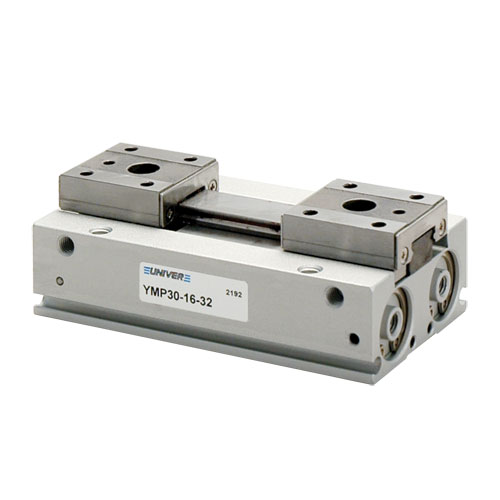
O compressed air release is also essential in processes of automation. In automated systems, compressed air can drive cylinders and actuators, allowing precise and controlled movements. This is crucial on assembly lines, where precision and speed are key.
Finally, compressed air is used in refrigeration applications. In some industries, compressed air is used to cool equipment and processes, helping to maintain adequate temperatures and preventing overheating.
3. Equipment Required for Compressed Air Release
To carry out the compressed air release efficiently, it is necessary to have some essential equipment. The first of them is the air compressor. This equipment is responsible for transforming atmospheric air into compressed air, increasing its pressure. There are different types of compressors, such as piston compressors and the screw compressors, each with its own specific characteristics and applications.
Another essential piece of equipment is the air reservoir. It stores the compressed air generated by the compressor, allowing the system to have a continuous supply of air. The size of the reservoir may vary depending on the application's compressed air demand, and it is important to size it correctly to avoid pressure drops.
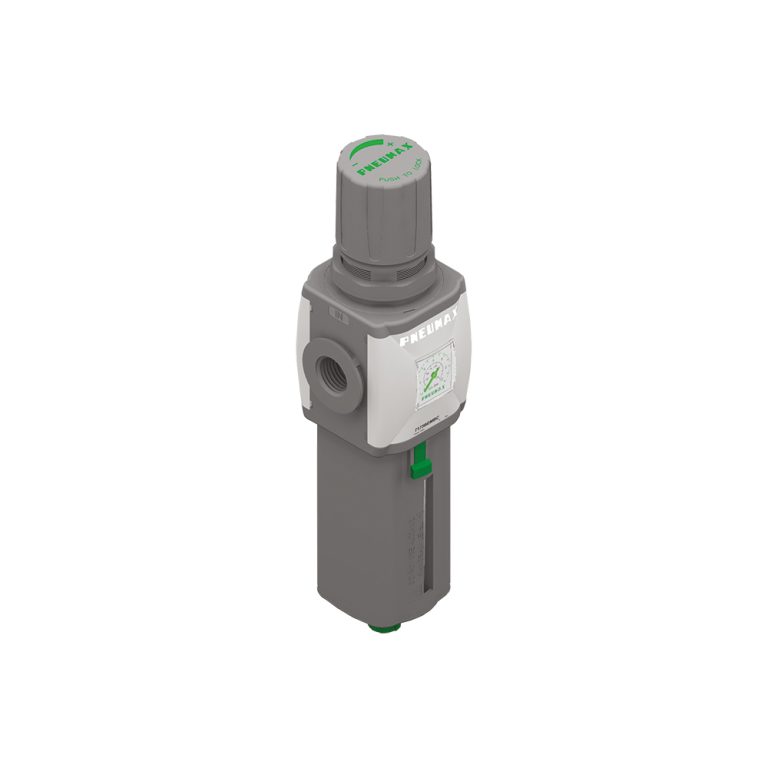
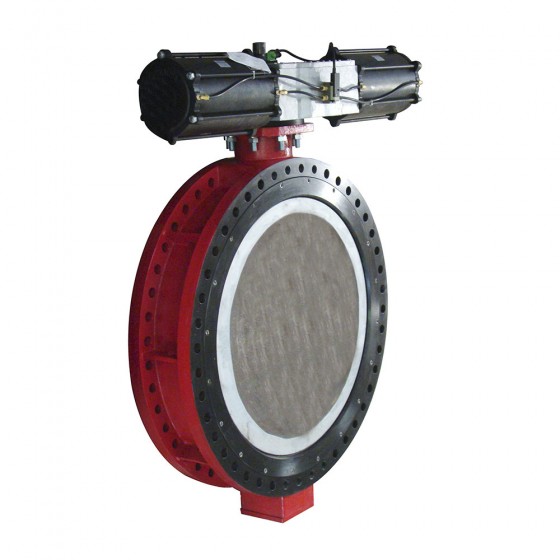
As control valves They are also essential in the compressed air delivery system. They regulate the air flow and ensure that the pressure is adequate for each application. There are manual and automatic valves, which can be activated according to the needs of the process.
Furthermore, it is important to have air filters. They remove impurities and moisture from compressed air, ensuring that the air that reaches the equipment is clean and dry. This is crucial to prevent damage and ensure the efficiency of pneumatic systems.
Finally, the distribution lines They are responsible for carrying compressed air to the points of use. These lines must be correctly sized to avoid pressure losses and ensure adequate flow. Materials like aluminum tubes or polyethylene They are commonly used due to their strength and lightness.
4. Advantages of Compressed Air Launch
O compressed air release offers several advantages that make it a popular choice in industrial environments. One of the main advantages is the energy efficiency. When used correctly, compressed air can be an economical solution, as it allows the automation of processes that would otherwise require more electrical energy.
Another significant advantage is the versatility of compressed air. It can be used in a wide range of applications, from cleaning equipment to powering pneumatic tools. This flexibility allows industries to adapt the use of compressed air according to their specific needs.
O compressed air release it also contributes to a safer work environment. By using compressed air for cleaning, for example, it is possible to avoid the use of aggressive chemicals, which can be harmful to workers' health. Additionally, pneumatic tools are generally lighter and easier to handle, reducing the risk of injury.
Another important advantage is the reduced maintenance. Systems that use compressed air tend to require less maintenance compared to electrical systems. This is due to the fact that pneumatic tools have fewer moving parts and are therefore less prone to failure.
Finally, the compressed air release can increase the productivity. With process automation and the ability to operate tools quickly and efficiently, industries can improve their production times and better meet market demand.