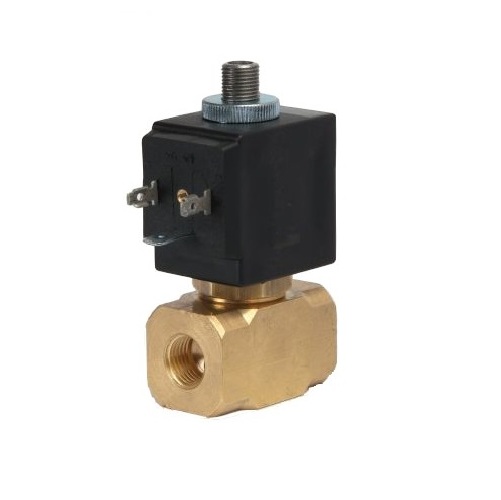
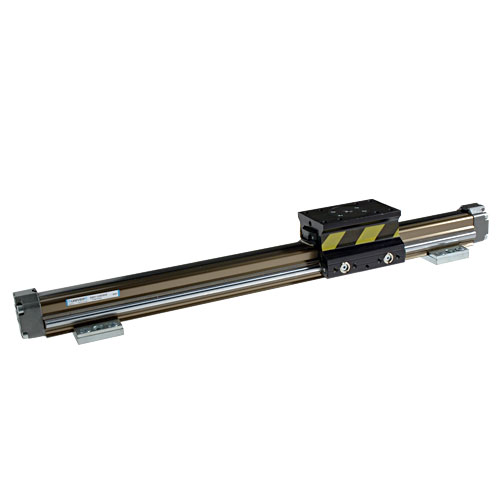
The control blade is an essential component in automation systems, responsible for regulating and monitoring processes. In this article, we will explore its features, applications and how to choose the ideal blade for your needs.
What is a Control Blade?
A control blade is a device used in pneumatic and hydraulic automation systems. Its main function is to regulate the flow of air or fluid, ensuring that processes operate efficiently and safely. This component is essential for the proper functioning of industrial machines and equipment.
Control blades are designed to provide precision flow modulation, allowing fine adjustments to operations. They can be found in different configurations, depending on the specific needs of each application. For example, some blades are adjustable, allowing the operator to modify the flow as needed, while others are fixed, designed for specific performance.
Additionally, control blades are often used in pressure control systems, where maintaining adequate levels is crucial to the safety and efficiency of the system. They help prevent overpressures that can cause damage to equipment and operational risks.
In summary, the control blade is a vital component that ensures the efficient and safe operation of pneumatic and hydraulic systems, contributing to industrial automation and process optimization.
Control Blade Applications
A control blade It has several applications in industrial sectors, being a crucial component for process automation. One of the main uses is in pressure control, where it is essential to maintain adequate pressure in pipes and equipment. This is especially important in chemical and petrochemical industries, where safety is a priority.
Another common application is in packaging machines, where the control blade helps regulate the flow of air or fluid, ensuring that packaging is made efficiently and with the desired quality. In systems of industrial, control blades are used to adjust air pressure, allowing a uniform finish and avoiding material waste.
Additionally, control blades are often employed in Climatization Systems, where they regulate air flow in ducts, contributing to energy efficiency and environmental comfort. In processes of fluid handling, as in pumps and valves, they ensure that the flow is precisely controlled, avoiding leaks and waste.
These applications demonstrate the versatility and importance of control blades across different industries, highlighting their essential role in automation and operational efficiency.
Advantages of Using the Control Blade
The use of control blade offers several advantages that directly impact the efficiency and safety of industrial processes. One of the main advantages is the Precision in flow control. With the control blade, it is possible to adjust the flow of air or fluid very precisely, which is essential in applications that require high accuracy, such as in the pharmaceutical and food industries.
Another significant advantage is the waste reduction. By efficiently regulating flow, control blades help minimize excessive material usage, whether in painting, packaging or fluid handling processes. This not only saves resources, but also contributes to the sustainability of operations.
Additionally, control blades provide greater security in the systems. They help prevent overpressures and leaks, which can cause accidents and damage to equipment. With adequate control, the integrity of the systems is maintained, reducing operational risks.
Finally, the implementation of control blades can result in lower operating costs. Efficiency in process control leads to smoother operations and fewer unscheduled stops, which translates into time and money savings for companies.
How to Choose the Ideal Control Blade
Choose the optimal control blade is fundamental to ensuring the efficiency and safety of industrial processes. To do this, it is important to consider some essential factors.
First, evaluate the Type of fluid that will be controlled. Control blades can be designed for different types of fluids, such as air, water or chemicals. The compatibility of the blade material with the fluid is crucial to prevent corrosion and wear.
Another aspect to be considered is the operating pressure. Each control blade has a specific pressure range in which it operates efficiently. Check the manufacturer's specifications to ensure the blade you choose can handle your system's pressure.
A flow capacity is also an important criterion. The blade must be able to regulate the flow according to the needs of the process. To do this, it is necessary to calculate the required flow rate and choose a blade that meets this demand.
Also, consider FACILITY OF INSTALLATION AND MAINTENANCE. Some control blades are designed to be easily installed and adjusted, which can save time and maintenance costs. Check that the blade has features that facilitate maintenance, such as easy access to internal components.
Finally, always consult the technical specifications and manufacturer's recommendations. This will ensure that the control blade you choose meets your system requirements and contributes to operational efficiency.