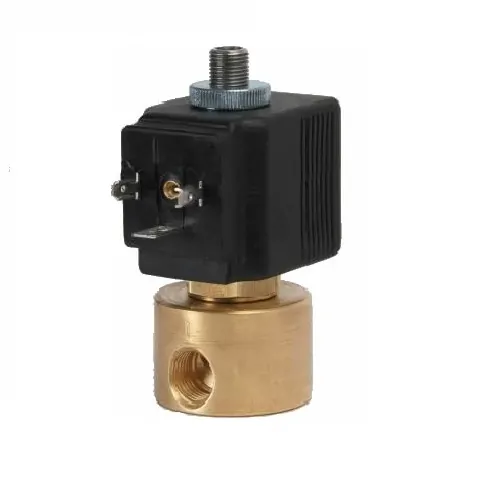
Pneumatic pumps are essential in the chemical sector, offering safety, efficiency and versatility in the movement of fluids. With trends such as energy efficiency and automation, they stand out for minimizing risks and ensuring continuous and safe operations.
As pneumatic pumps in the chemical sector play a vital role in the safe and efficient transfer of hazardous fluids. With a specialized design, they minimize risks and maximize productivity. In this article, we will discover how these pumps work, their advantages, and the care needed during their use. Get ready to understand why you should choose bomba right is crucial to your operation!
What are pneumatic pumps?
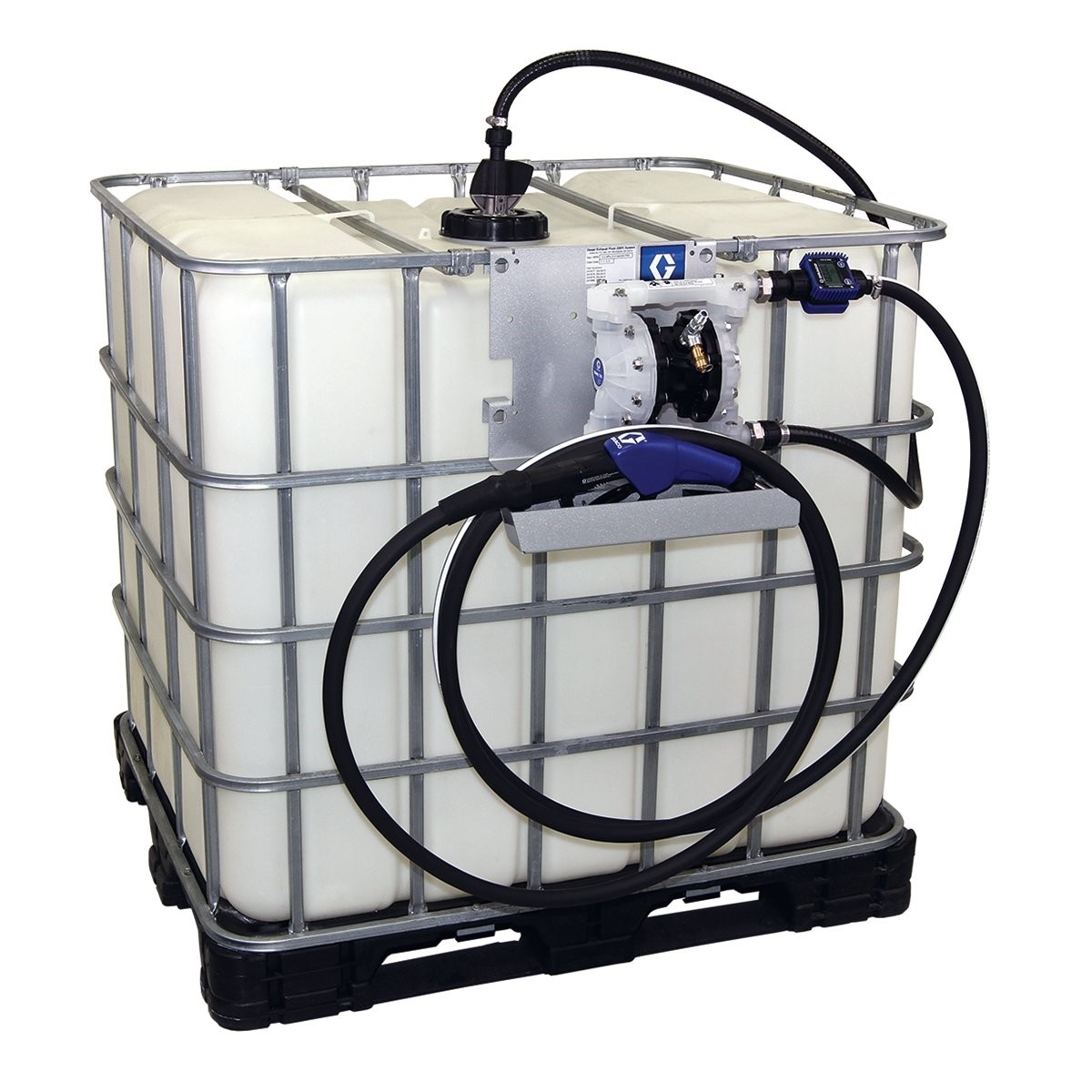
As pneumatic pumps are devices used to move fluids through air compression. They operate based on the principle of pressure, where compressed air is used to create a vacuum that pulls fluid in and then pushes it into the desired system. This type of pump is widely used in various industries, especially in chemical sector, due to its ability to handle corrosive and viscous fluids.
How pneumatic pumps work
These pumps work through a diaphragm or piston mechanism, which moves up and down, creating suction and discharge cycles. Compressed air is introduced into a chamber, causing the diaphragm to move and thus changing the volume of the chamber, allowing fluid to enter and exit.
Applications in the Chemical Sector
In the chemical sector, pneumatic pumps are essential for transporting chemicals, solvents and other fluids that can be dangerous. They are preferred for their safety and efficiency, minimizing the risk of leaks and contamination.
Advantages of pneumatic pumps
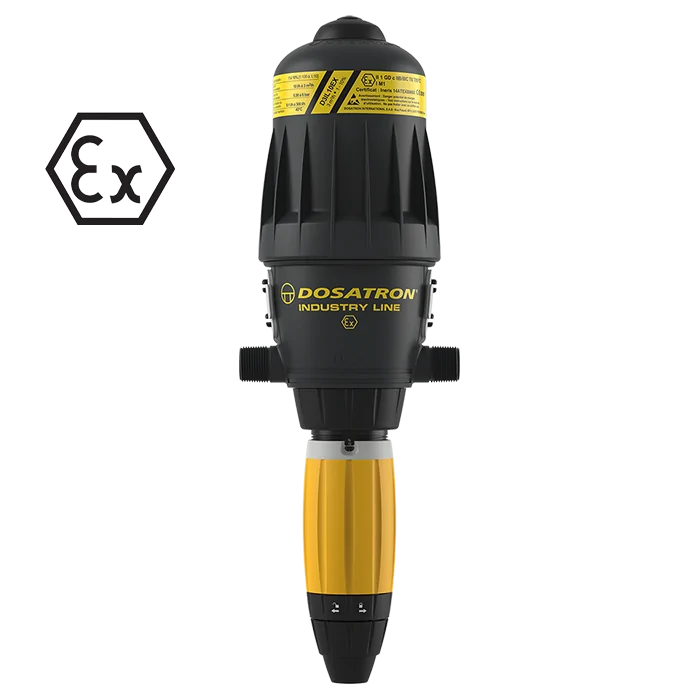
One of the main advantages of pneumatic pumps is their ability to operate in potentially explosive environments, where electricity can pose a risk. Additionally, they are easy to maintain and can be adjusted to different pressures and flows, making them versatile for different applications.
Considerations When Choosing a Pneumatic Pump
When selecting a pneumatic pump, it is important to consider factors such as fluid viscosity, operating temperature and pressure specifications. Choosing the right pump can ensure efficiency and safety in the fluid movement process.
Advantages of pneumatic pumps in the chemical sector
As pneumatic pumps offer several advantages in chemical sector, making it a preferred choice for fluid transport. One of the main advantages is the security. As these pumps do not use electricity, the risk of explosions in environments with flammable vapors is significantly reduced.
Efficiency in Fluid Movement
In addition to safety, pneumatic pumps are highly efficient. They can move viscous and corrosive fluids with ease, ensuring that the production process is not interrupted. This is crucial in chemical industries, where continuity is vital.
Versatility and Ease of Maintenance
These pumps are versatile and can be adjusted to different pressures and flows, adapting to the specific needs of each operation. Maintenance is also simple, which reduces downtime and operating costs.
Reduction of Operating Costs
Using pneumatic pumps can result in a significant reduction in operating costs. They consume less energy compared to electric pumps and, due to their durability, require fewer replacements and repairs.
Lower Risk of Contamination
Pneumatic pumps minimize the risk of product contamination, as there are no moving parts in direct contact with the fluid, which is essential to maintain the quality of chemical products.
Cautions when using pneumatic pumps
When using pneumatic pumps, it is essential to follow some guidelines to ensure the safety and efficiency of the equipment. These precautions help to avoid accidents and extend the useful life of the pumps in the chemical sector.
Regular inspection
Carrying out regular inspections is essential. Check parts for leaks, wear or damage. Preventive maintenance can prevent unexpected failures and ensure the pump operates properly.
Use of Protective Equipment
It is important to use personal protective equipment (PPE) when operating pneumatic pumps. This includes gloves, safety glasses and, in some cases, hearing protection, especially in industrial environments where noise can be high.
Proper Training
Operators must receive adequate training on the operation and necessary precautions when handling pneumatic pumps. Knowing equipment specifications and best operating practices is crucial to avoiding accidents.
Pressure Monitoring
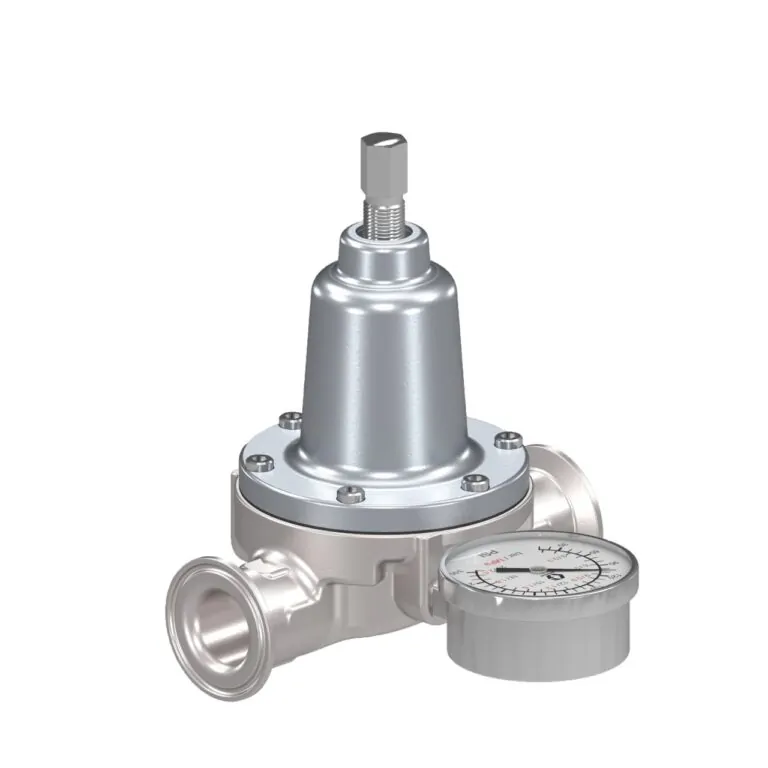
Monitoring operating pressure is vital. Exceeding the recommended pressure may cause equipment failure and increase the risk of accidents. Use pressure gauges to ensure pressure is within safe limits.
Correct Storage
After use, pneumatic pumps must be stored in a dry place protected from extreme temperatures. This helps prevent corrosion and damage to internal components, ensuring the equipment is always ready for use.
Comparison between pneumatic and electric pumps
The choice between pneumatic pumps e electric pumps is an important decision in chemical sector, as each type of pump has different characteristics that can impact the efficiency and safety of operations.
Principle of operation
Pneumatic pumps work by using compressed air to move fluids, while electric pumps use an electric motor. This fundamental difference influences how each type of pump operates in industrial environments.
Security
Pneumatic pumps are generally considered safer in explosion-hazardous environments as they do not generate sparks and do not use electricity. On the other hand, electric pumps can pose a risk in places where there are flammable vapors.
Energy efficiency
Pneumatic pumps tend to be more efficient in applications that require high pressure and low flow, while electric pumps are better suited to high flow, low pressure applications. The choice must be based on the specific needs of the process.
Maintenance
Pneumatic pumps generally require less maintenance than electric pumps as they have fewer moving parts and are not subject to electrical problems. However, electric pumps may be easier to operate and monitor depending on the control system used.
Cost
The initial cost of electric pumps may be lower, but it is important to consider long-term operating costs. Pneumatic pumps may have a higher initial cost, but they offer maintenance savings and energy efficiency over time.
Pneumatic pump trends in 2023
In 2023, the pneumatic pumps continue to evolve, reflecting the needs of the chemical sector and technological innovations. Current trends are focused on efficiency, sustainability and automation.
Energy efficiency
One of the main trends is the search for energy efficiency. New pneumatic pumps are being designed to consume less compressed air, reducing operating costs and environmental impact. This is especially important in a scenario where sustainability is a growing priority in industries.
Integration with Automation Systems
The integration of pneumatic pumps with industrial automation systems is becoming increasingly common. This allows for more precise control and more efficient operation, as well as facilitating data collection for performance analysis and predictive maintenance.
Advanced Materials
Or use of advanced materials in the manufacture of pneumatic pumps is on the rise. These materials offer greater resistance to corrosion and wear, increasing the durability and reliability of pumps in challenging environments.
Real-Time Monitoring
Another trend is real-time monitoring of pump operating conditions. Sensors and IoT (Internet of Things) technologies are being incorporated to provide real-time data on pressure, flow and temperature, enabling fast and effective interventions.
Focus on Security
Safety remains a priority. New pneumatic pumps are being designed with additional safety features, such as automatic shutdown systems and alarms, to ensure operators and the work environment are protected.
Final Considerations on Pneumatic Pumps in the Chemical Sector
As pneumatic pumps play a crucial role in chemical sector, offering safety, efficiency and versatility. With current trends such as energy efficiency and automation, these pumps are becoming even more essential for industrial operations.
When considering implementing pneumatic pumps, it is important to evaluate your specific needs and the advantages these pumps can offer. Proper maintenance and operator training are critical to ensuring optimal performance.
With the continuous evolution of technology, pneumatic pumps are adapting to meet market demands, becoming a smart choice for companies seeking innovation and efficiency.
FAQ – Frequently asked questions about pneumatic pumps in the chemical sector
What are the main advantages of pneumatic pumps in the chemical sector?
Pneumatic pumps offer safety, efficiency in moving corrosive fluids and lower risk of contamination.
How do pneumatic pumps compare to electric pumps?
Pneumatic pumps are safer in explosive environments and tend to be lower maintenance, while electric pumps are easier to operate in high-flow applications.
What precautions should I take when using pneumatic pumps?
It is important to carry out regular inspections, use protective equipment, and ensure that operators are well trained.
What are the current trends for pneumatic pumps in 2023?
Trends include energy efficiency, integration with automation, use of advanced materials and real-time monitoring.
How can I ensure safety when operating pneumatic pumps?
Using PPE, carrying out regular maintenance and monitoring operating conditions are essential measures to ensure safety.
Where can I find more information about pneumatic pumps?
You can consult specialized suppliers or contact the Duplado team for detailed information.