K-Factor, or correction factor, is a crucial variable in various fields of engineering, especially system analysis and process optimization. This article explores the concept of K-Factor, its practical applications and the importance of its correct application to ensure accuracy and efficiency in engineering projects.
What is K-Factor? -Definition of k-factor and its origin in engineering.
What is K-Factor? K-Factor, or correction factor, is a constant used in engineering to adjust calculations and measurements, ensuring greater accuracy in the results. It is especially relevant in areas such as hydraulic and pneumatic, where small variations can significantly impact system performance. The origin of the k-factor dates back to fluid dynamics studies, where it was sought to understand how different conditions affect flow and pressure.
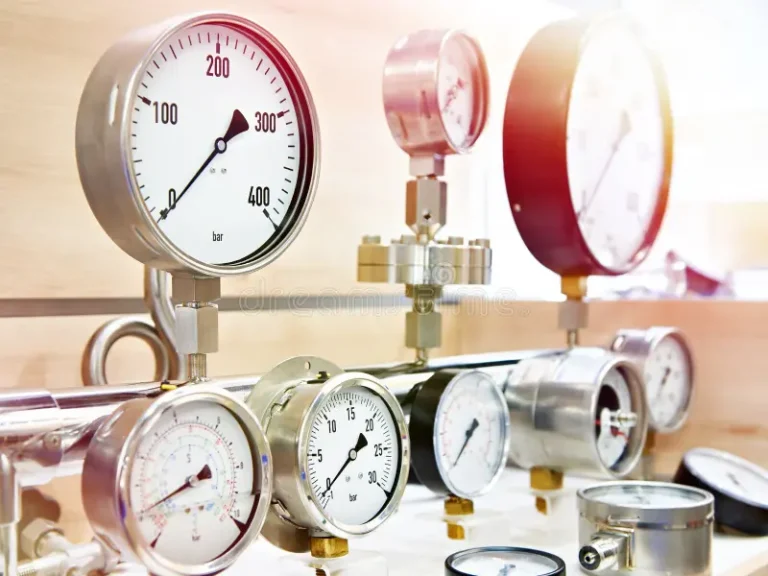
K-Factor Applications K-Factor is widely applied in pressure and flow calculations in pneumatic and hydraulic systems. For example, in piping systems, the k-factor helps determine load loss along the way, considering factors such as pipe diameter, fluid viscosity and flow speed. In addition, it is used in valves and actuators to optimize systems performance and efficiency.
Importance of K-Factor in the accuracy of projects The accuracy of engineering projects depends directly on the correct application of the K-Factor. Inadequate calculation can lead to system failures, waste of resources and even safety risks. Therefore, it is essential that engineers and technicians understand the importance of this factor and use it properly in their analysis. The reliability of the results obtained in simulations and measurements is widely increased when the k-factor is considered.
How to calculate the k-factor? K-Factor calculation may vary depending on the context to which it is applied. In general, it can be determined through formulas that take into account variables such as system geometry, fluid nature and operating conditions. A common formula for calculating the k-factor in valves is: k = (ΔP / (ρ * v²)), where ΔP is the pressure loss, ρ is the density of the fluid and v is the flow speed. It is important for engineers to be familiar with these formulas and know how to apply them correctly to their projects.
K-Factor Applications-Exploration of the main areas where K-Factor is applied, as in pressure and flow calculations.
K-Factor Applications
K-Factor is widely used in various areas of engineering, especially in systems involving fluids such as hydraulic and pneumatic. One of the main applications of K-Factor is in pressure calculations. In piping systems, K-Factor helps determine load loss along the way, considering factors such as pipe diameter, fluid viscosity and flow speed. This is crucial to ensuring that the system operates within the desired parameters.
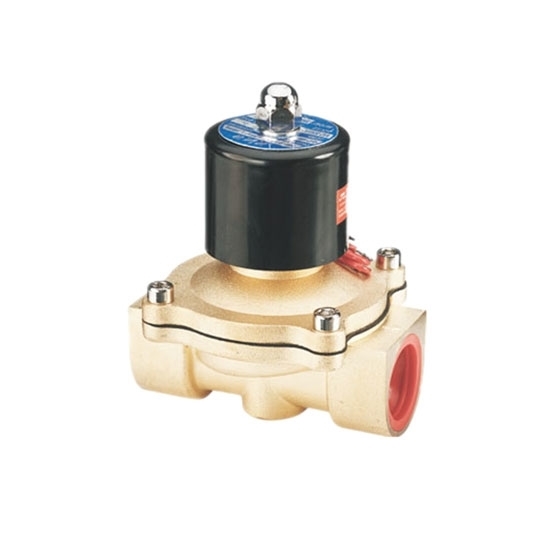
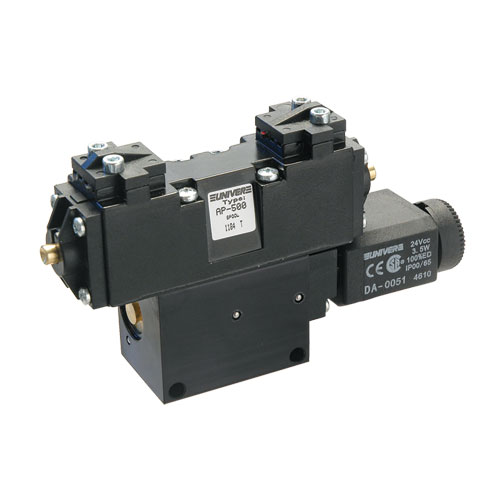
Another important application K-Factor is in valves and actuators. K-Factor allows engineers to adjust the performance of these components by optimizing system efficiency. For example, by calculating the k-factor of a valve, it is possible to predict how it will affect the flow and pressure in a system, allowing adjustments that improve overall performance.
In the context of pneumatic systemsK-Factor is used to calculate the efficiency of compressors and other equipment. It helps to understand how variations in pressure and air volume affect system performance. In addition, the K-Factor is essential in Performance Analysis of ventilation and air conditioning systems, where the accuracy in the calculation of airflow is fundamental for comfort and energy efficiency.
In short, K-Factor is a vital tool for engineers as it allows optimizing projects and ensuring that systems work efficiently and safely.
Importance of K-Factor in Project Precision-Analysis of how K-Factor influences the accuracy and reliability of results in engineering projects.
Importance of K-Factor in the accuracy of projects K-Factor plays a crucial role in the accuracy of engineering projects. When used correctly, it helps ensure that the calculations performed on fluid systems are accurate and reliable.
An error in application of k-factor can lead to inaccurate results, which may result in system failures and additional costs.
In hydraulic projects, for example, the accuracy in determining load loss is critical. K-Factor allows engineers to accurately calculate how pressure and flow will be affected by different system components such as valves and connections. This is essential to avoid problems such as leaks or structural failures.
In the context of pneumatic systems, K-Factor accuracy is equally important. It influences the efficiency of compressors and other equipment, ensuring that they operate within the ideal parameters. An inappropriate calculation can result in energy waste and reduced equipment life.
Furthermore, the reliability of the results obtained in simulations and measurements is widely increased when the k-factor is considered. This is especially relevant in projects that require high accuracy, as in the automotive and aerospace industry.
Therefore, the correct application of K-Factor not only improves the efficiency of systems, but also ensures the safety and durability of engineering projects.
How to calculate the k-factor? -Methods and formulas to calculate the k-factor in different contexts.
How to calculate the k-factor? K-Factor calculation is essential to ensure accuracy in engineering projects. There are different methods and formulas that can be used, depending on the context in which the k-factor is applied.
A common formula To calculate the k-factor in pipe systems is: K = (ΔP / (P * v²))where ΔP represents pressure loss, ρ is the density of the fluid and V is the flow velocity. This formula allows engineers to determine how pressure and flow behave under different operating conditions.
ValveK-Factor can be calculated using tables that provide values based on performance tests. These tables consider factors such as valve type, diameter and system configuration.
FurthermoreIn pneumatic systems, k-factor can be calculated from direct pressure and flow measurements using appropriate measurement devices. It is important for engineers to be familiar with the specific operating conditions to correctly apply these formulas.
Finally, the validation of calculations should be done through practical simulations and tests, ensuring that the results are aligned with system performance expectations.