Fluid K-compatibility is a fundamental concept in pneumatic automation, ensuring that system components, such as pumps and valves, are compatible with the fluids used. This compatibility is essential to avoid failures, leaks and guarantee the longevity of the equipment. In this article, we will explore the importance of fluid K-compatibility, the most commonly used materials, and how to choose the right products for your applications.
What is K-fluid compatibility?
A K-fluid compatibility refers to the ability of a material or component to resist degradation when exposed to different types of fluids.
This is especially important in pneumatic systems, where the interaction between fluid and materials can affect equipment performance and durability.
Fluids used in pneumatic systems can include compressed air, oils, lubricants and other liquids. Each of these fluids has distinct chemical and physical properties, which can react differently with the materials of the system components.
Therefore, K-compatibility is essential to ensure that materials do not deteriorate, preventing failures and leaks.
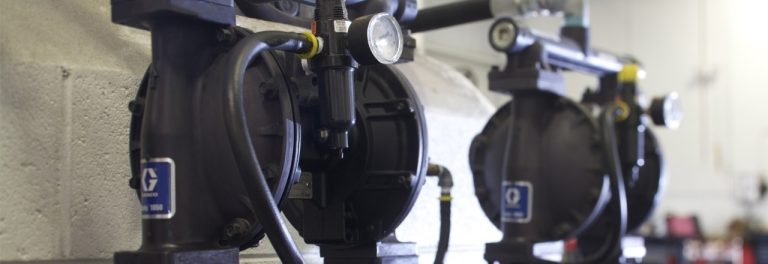
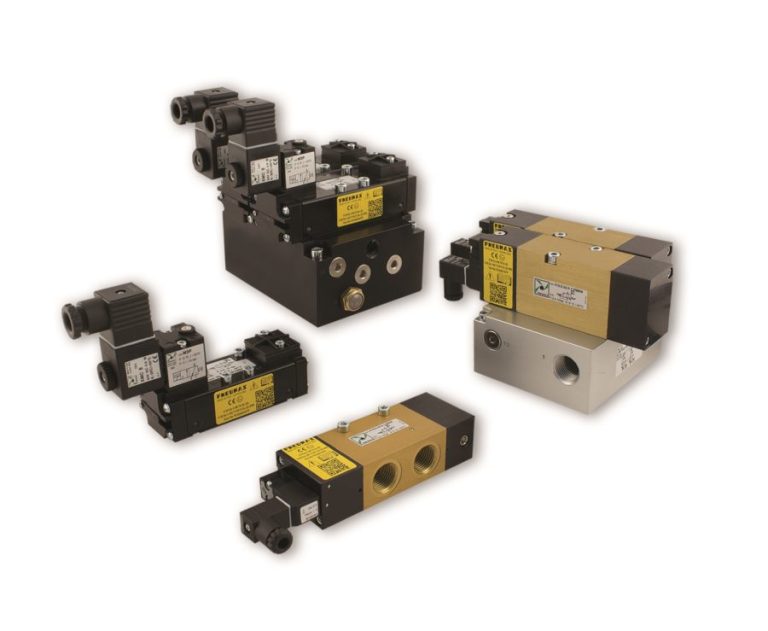
Furthermore, K-compatibility is a critical factor in choosing bombs, Valves e actuators. When materials are not compatible, deposits, corrosion or even component breakdown can occur.
This not only compromises system efficiency, but can also result in high maintenance and replacement costs.
In summary, fluid K-compatibility is a vital concept that must be considered when selecting components for pneumatic systems, ensuring the safe and efficient operation of equipment.
Importance of K-compatibility in pneumatic systems
A K-compatibility in pneumatic systems is essential to guarantee operational efficiency and safety. When components of a system, such as bombs, Valves e actuators, are not compatible with the fluids used, serious failures may occur. This can lead to leaks, which not only compromise the functioning of the system, but can also cause environmental damage and safety risks for operators.
Additionally, K-compatibility helps extend equipment life. Materials that are not compatible can wear out quickly, resulting in high maintenance and replacement costs. Therefore, choosing components that are compatible with the fluids used is a smart strategy to reduce costs in the long term.
Another important aspect is energy efficiency. Systems that operate with compatible components tend to run more smoothly and efficiently, resulting in lower energy consumption. This not only benefits the company in terms of operating costs, but also contributes to more sustainable practices.
In summary, K-compatibility is a critical factor that must be considered in any pneumatic automation project. Ignoring this compatibility can lead to serious operational and financial problems.
Materials used in K-fluid compatibility
Os materials used in K-fluid compatibility play a crucial role in the efficiency and durability of pneumatic systems. It is essential to choose materials that resist degradation when exposed to different fluids, such as compressed air, oils and lubricants.
One of the most common materials is polypropylene, which is widely used due to its chemical resistance and light weight. It is ideal for applications involving non-corrosive fluids.
Another popular material is the PVC, which offers good resistance to chemicals and is often used in piping and connections.
Os year, such as aluminum and stainless steel, are also frequently used in pneumatic components. Aluminum is lightweight and has good corrosion resistance, while stainless steel is ideal for more aggressive environments where corrosion resistance is critical.
Furthermore, erasers e elastomers They are used in seals and gaskets. Materials such as nitrile and viton are popular due to their ability to resist oils and solvents, ensuring systems are watertight.
Finally, the choice of material must consider not only chemical compatibility, but also the temperature and pressure conditions in which the components will operate. Proper selection of materials is essential to ensure the efficiency and safety of pneumatic systems.
How to choose compatible products for your applications
Choosing compatible products for your pneumatic applications is a crucial step in ensuring system efficiency and safety. To do this, it is important to follow some specific guidelines.
Firstly, identify the fluids that will be used in the system. Knowing the chemical and physical properties of fluids is essential for selecting materials that will not degrade over time. For example, if the system uses oils, it is necessary to choose seals and components that are resistant to these fluids.
Right away, consider operating conditions. This includes temperature, pressure and the environment in which the components will be installed. Materials that work well in high temperatures may not be suitable for cold environments and vice versa. Corrosion resistance must also be evaluated, especially in aggressive environments.
Another important point is consult the manufacturer's specifications. Manufacturers often provide information about the compatibility of their products with different fluids. This may include compatibility tables that help you make the right choice.
Furthermore, perform compatibility tests is a recommended practice. Testing under real operating conditions can reveal problems that are not evident in theoretical analyses. These tests help ensure that the chosen materials truly meet the system’s needs.
Finally, consider the experience of other users. Researching the experience of other companies and professionals can provide valuable insights into which products work best in similar applications.