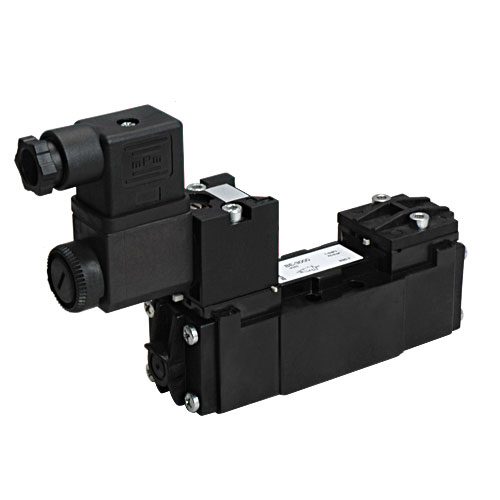
Connection joints play a crucial role in pneumatic systems, ensuring the sealing and integrity of connections between different components. In this article, we will explore the characteristics, applications and benefits of connection joints, as well as tips for choosing the ideal model for your needs.
What are Connection Joints? – Definition and function of connection joints in pneumatic systems.
Connection joints They are essential components in pneumatic systems, responsible for ensuring the sealing and integrity of connections between different parts of the system.
They allow the interconnection of pipes, hoses and other elements, ensuring that compressed air or other fluids are transported efficiently and safely.
These joints They are designed to withstand varying pressures and prevent leaks, which can compromise system performance and cause operational failures.
Furthermore, connection gaskets help minimize component wear, extending the life of the pneumatic system.
There are different types of connection joints, each with specific characteristics that meet different industrial applications.
The correct choice of gasket is essential for the system to function properly, as each type has its own advantages and limitations.
Therefore, understanding what connection joints are and their function is crucial for any professional working with pneumatic automation.
Types of Connection Joints – Description of the main types of connection joints and their specific applications.
Types of Connection Joints They are varied and each of them has characteristics that meet specific needs in pneumatic systems.
Among the main types, the following stand out: thread joints, which are used for permanent connections and offer high resistance to pressure;
compression joints, which allow quick and easy installation, being ideal for applications that require frequent maintenance;
sealing gaskets, which guarantee tightness in systems that transport fluids, preventing leaks;
e quick-fit joints, which facilitate the assembly and disassembly of components, providing agility in industrial processes.
Each type of joint must be chosen based on operating conditions, such as pressure, temperature and type of fluid, to ensure the efficiency and safety of the system.
Understanding the specific applications of each type of joint is essential to optimize the performance and durability of pneumatic systems.
Advantages of Connection Joints – Benefits of using suitable connection joints in pneumatic systems.
Advantages of Connection Joints They are diverse and directly impact the efficiency of pneumatic systems.
Firstly, these joints guarantee a effective sealing, preventing leaks that could result in loss of pressure and efficiency. This is crucial, as leaks not only reduce system performance, but can also cause damage to other components.
Furthermore, connection joints facilitate maintenance and replacement of parts of the system, allowing operators to perform adjustments and repairs quickly and efficiently.
Another important benefit is the flexibility that they offer, allowing the system to adapt to different configurations and operational needs.
Connection joints also contribute to the durability of the system, as they minimize wear on components by absorbing vibrations and shocks.
Finally, choosing suitable connection joints can result in cost savings, as a well-designed and maintained system reduces the need for frequent repairs and extends the useful life of the equipment.
How to Choose the Ideal Connection Joint – Factors to consider when selecting connection joints to ensure efficiency and safety.
How to Choose the Ideal Connection Joint involves considering several factors that directly impact the efficiency and safety of the pneumatic system.
Firstly, it is essential to assess the operating pressure of the system, as different joints support varying levels of pressure. Choosing a gasket that does not meet this specification may result in failures and leaks.
Another important aspect is the operating temperature, since some gaskets are designed to withstand extreme temperatures, while others can deteriorate quickly.
In addition, the Type of fluid that will be transported must also be considered, as certain gasket materials are more compatible with specific fluids, avoiding unwanted chemical reactions.
A ease of installation and maintenance is also a relevant criterion; gaskets that allow for quick and easy assembly can reduce system downtime.
Finally, it is recommended to consult the manufacturer specifications and, if necessary, seek expert guidance to ensure that the choice of connection joint meets all system requirements, thus promoting optimal performance.