The pressure isolator is an essential component in pneumatic and hydraulic systems, designed to ensure safety and operational efficiency. In this article, we will explore its definition, functioning and practical applications, in addition to highlighting the importance of this equipment in industrial automation.
What Is a Pressure Insulator? Definition and main characteristics of the pressure isolator.
The pressure insulator is a device used in pneumatic and hydraulic systems, whose main function is to separate different sections of a system, ensuring that the pressure in one part does not affect the other. This equipment is essential to maintain the stability and a security of industrial processes.
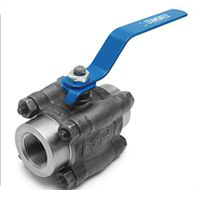
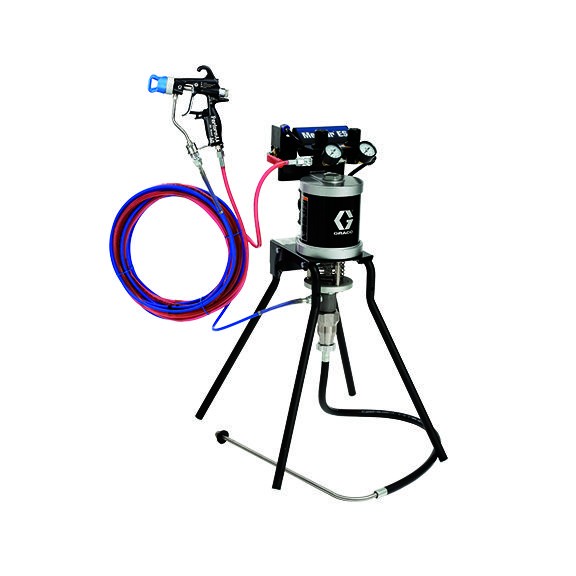
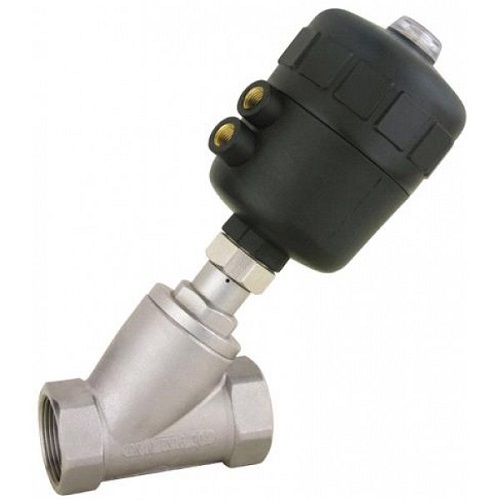
The main characteristics of the pressure insulator include its ability to withstand high pressures and temperatures, as well as being manufactured from corrosion-resistant materials. Generally, it consists of a robust body, a membrane or diaphragm that reacts to pressure variations and connections that allow integration with other system components.
Additionally, the pressure isolator can be adjustable, allowing operators to precisely set the desired pressure. This is crucial in applications where the regulation pressure is vital for the system to function properly.
In summary, the pressure isolator is a fundamental component that contributes to the efficiency and safety of pneumatic and hydraulic systems, being widely used in various industries.
How does the Pressure Isolator Work? Detailed explanation of the functioning and operating principles of the pressure isolator.
The operation of the pressure isolator is based on mechanical principles that guarantee the separation of different sections of a pneumatic or hydraulic system.
When the pressure in one part of the system increases, this pressure is transmitted to the isolator diaphragm or membrane.
This membrane deforms in response to pressure, allowing the insulator to automatically adjust the passage of fluid or air between the sections.
When the pressure reaches a certain level, the isolator can close or open the passage, maintaining the desired pressure in each part of the system.
Additionally, the pressure isolator may include adjustment mechanisms, such as control valves, that allow operators to precisely set the pressure.
This is especially important in applications where the regulation pressure is critical to system performance.
Pressure isolators are also designed to prevent vibration transmission and pressure shocks, which can cause damage to other system components.
This way, they ensure smoother and more reliable operation.
In short, the pressure isolator acts as a regulator that responds to pressure variations, ensuring that each part of the system operates within safe and efficient parameters.
Applications of Pressure Isolator in Industry. Examples of how the pressure isolator is used in different industrial sectors.
The pressure insulator is widely used in various industrial sectors due to its ability to maintain stability and a security two systems.
In the industry chemical, for example, the pressure isolator is crucial to prevent contamination between different fluids. It ensures that the pressure in one tank does not interfere with the operation of another, allowing precise control of reaction processes.
In the sector petrochemical, pressure isolators are used to protect sensitive equipment from sudden pressure variations, which can cause catastrophic failures. They help maintain the integrity of oil and gas transportation systems.
Also, in food industry, the pressure isolator is employed to ensure that products are not contaminated during processing. It ensures that pressure in one packaging system does not affect another production system, maintaining food quality.
Na industrial automation, pressure isolators are essential for the operation of actuators and valves, allowing precise control over the flow of air and fluids. This results in more efficient and safer processes.
In summary, pressure isolator plays a vital role in various industries, contributing to operational efficiency and process safety.
Advantages of Using Pressure Insulators. Benefits that the pressure isolator brings to process automation and safety.
Pressure insulators offer several advantages that are essential for the automation and safety of industrial processes.
One of the main advantages is the stability that they provide. By isolating different sections of a system, they prevent pressure variations in one part from affecting others, ensuring smoother, more efficient operation.
Additionally, pressure isolators help to protect equipment sensitive. In systems where pressure can fluctuate, these devices act as a barrier, preventing damage to valves, actuators and other critical components.
Another important advantage is the ease of maintenance. With a pressure isolator, it is possible to carry out maintenance on a part of the system without interrupting the entire process. This results in fewer stops and greater productivity.
Os isoladores também contribuem para a security operational. They minimize the risk of catastrophic failures, which can occur due to excessive or unregulated pressures. This is especially crucial in industries such as chemicals and petrochemicals, where safety is a priority.
Finally, the use of pressure isolators can lead to a cost reduction operational. With more efficient processes and fewer interruptions, companies can save on maintenance and increase production. Thus, pressure isolators become a smart choice for any industrial system.