Diaphragm pumps are versatile and efficient solutions for various industrial applications, such as the chemical, food and water treatment industries. They offer advantages such as safe operation, ease of maintenance and the ability to handle corrosive and viscous fluids, making them ideal for demanding environments.
Choose the bomba diafragma ideal is crucial to ensuring efficiency and performance in various industrial applications. In this article, you will discover what a diaphragm pump is, its main advantages and how to avoid common mistakes when choosing the best option for your needs. We will also explore ideal applications that benefit from this type of pump.
What is a diaphragm pump?
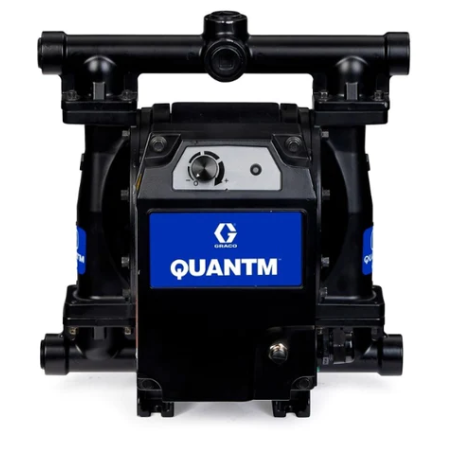
One diaphragm pump is a pumping device that uses a flexible diaphragm to move fluids. This type of pump is widely used in industrial applications due to its ability to handle viscous, corrosive liquids and even suspended solids.
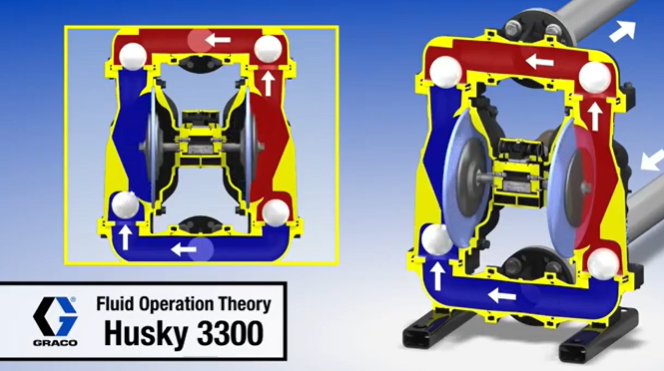
The operation of the diaphragm pump is based on the alternation of movement of the diaphragm, which creates negative and positive pressure, allowing suction and displacement of the fluid. This technology is especially effective in environments where accuracy and safety are essential.
Main Components
The main components of a diaphragm pump include the diaphragm, the inlet and outlet valves, and the pump body. The diaphragm can be made of materials such as rubber or plastic, depending on the application and the type of fluid to be pumped.
Types of Diaphragm Pumps
There are two main types of diaphragm pumps: pneumatic and electric. Pneumatic pumps are driven by compressed air, while electric pumps use an electric motor. The choice between the two types depends on specific application needs and power availability.
Common applications
Diaphragm pumps are used in a variety of industries, including chemical, pharmaceutical, food and water treatment. They are ideal for transferring chemicals, mixtures and even in painting systems, where precision is key.
Additionally, self-priming capability and leak-free operation make diaphragm pumps a reliable choice for many applications.
Advantages of the diaphragm pump
As diaphragm pumps They offer several advantages that make them a popular choice in various industries. One of the main advantages is the ability to handle viscous and corrosive fluids, which makes them ideal for applications that require resistance to chemicals.
Another significant advantage is the energy efficiency. Diaphragm pumps, especially pneumatic ones, consume less energy compared to other types of pumps, resulting in operating cost savings.
Safe Operation
Diaphragm pumps are safe to operate as they are designed to prevent leaks. This is crucial in environments where product or environmental contamination must be avoided. Effective sealing minimizes the risk of spills and increases operator safety.
Ease of maintenance
Diaphragm pumps are relatively easy to maintain. Most models allow quick access to internal components, making cleaning and replacing parts easier. This reduces downtime and maintenance costs.
Versatility
These pumps are versatile and can be used in a wide range of applications, from transferring liquids in chemical industries to pumping sludge in water treatment plants. This versatility makes them a practical solution to many pumping challenges.
Additionally, diaphragm pumps can be easily adjusted to meet different flow and pressure requirements, making them adaptable to diverse operating situations.
How to choose the ideal diaphragm pump
Choose the ideal diaphragm pump requires careful analysis of several factors. Firstly, it is important to consider the type of fluid that will be pumped. Fluids that are corrosive, viscous or contain solids in suspension require specific pumps that can handle these characteristics without compromising efficiency.
Another crucial aspect is the flow capacity necessary for the application. Assessing the amount of fluid that needs to be transferred per unit of time will help determine the appropriate model. Diaphragm pumps are available in different sizes and capacities, allowing you to choose the one that best suits your needs.
Operating Pressure
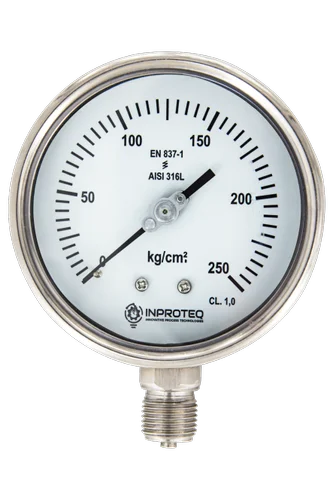
Operating pressure is another factor to consider. It is essential to choose a pump that can operate within the pressure range required for your application. Pumps that cannot withstand the required pressure can fail and cause damage to the system.
Construction material
The construction material of the pump is also fundamental. For applications with aggressive chemicals, it is recommended to opt for pumps with components made from corrosion-resistant materials, such as stainless steel or special plastics.
Ease of maintenance
Consider the serviceability of the pump. Models that allow quick access to internal components make cleaning and changing parts easier, reducing downtime and operating costs.
Finally, it is advisable to consult experts or trusted suppliers for recommendations and to ensure that the pump you choose meets all the specifications necessary for your process.
Common mistakes when choosing diaphragm pumps
When choosing a diaphragm pump, it is common to make mistakes that can impact the efficiency and security of the system. One of the most frequent mistakes is not considering the type of fluid that will be pumped. Each fluid has specific characteristics, and the pump must be suitable to deal with these properties, such as viscosity and corrosivity.
Another common mistake is to underestimate the flow capacity necessary. It is essential to correctly calculate the amount of fluid that needs to be transferred to avoid performance problems. Undersized pumps can lead to operational failures and increased costs.
Ignore Operating Pressure
Ignoring operating pressure is another critical mistake. The pump chosen must withstand the maximum system pressure. If the pump is not suitable for the required pressure, failure may occur, resulting in equipment damage and safety hazards.
Choosing Inappropriate Materials
Choosing inappropriate materials for the pump can also be a mistake. For applications with aggressive chemicals, it is essential to choose pumps made from corrosion-resistant materials, such as stainless steel or special plastics. Inadequate materials can lead to leaks and contamination.
Disregard Maintenance
Disregarding ease of maintenance is a mistake that can increase operating costs. Pumps that do not allow easy access to internal components can result in long periods of downtime and high maintenance costs. It is important to choose a model that makes cleaning and changing parts easy.
Finally, not consulting trusted experts or suppliers can lead to poor decisions. It is always recommended to seek advice to ensure that the pump chosen meets all the specifications required for the application.
Ideal applications for diaphragm pumps
As diaphragm pumps They are versatile and can be used in various industrial applications. One of the main areas of use is in chemical industry, where they are used to transfer corrosive and viscous chemicals. Their robust construction and resistance to chemicals make them ideal for this type of environment.
Another common application is in food industry. Diaphragm pumps are used to pump ingredients such as sauces and spreads, ensuring there is no contamination. Additionally, they are easy to clean, which is essential to meet food safety standards.
Water treatment
No water treatment, diaphragm pumps are often used to pump sludge and other suspended solids. Their ability to handle abrasive fluids and their efficiency in high pressure environments make them a popular choice for this application.
Painting Systems
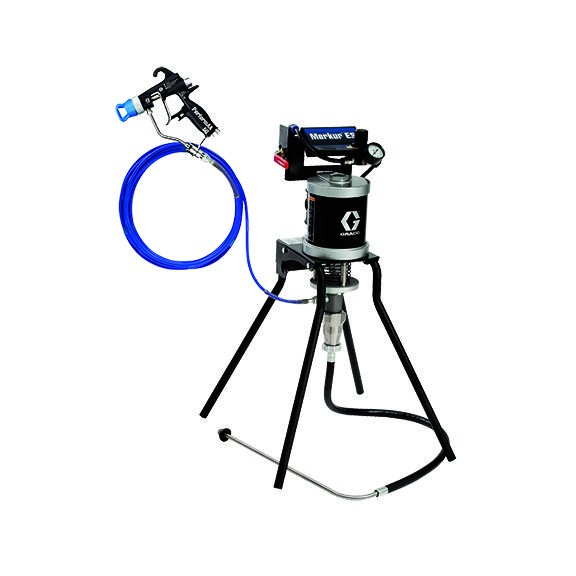
Diaphragm pumps are also widely used in painting systems, where they are responsible for transferring paints and coatings uniformly. Precision in flow control is crucial to guarantee high quality finishes.
Pharmaceutical
Na pharmaceutical, diaphragm pumps are used to pump liquids in drug manufacturing processes. The ability to operate without leaks and ease of cleaning are essential features to meet strict hygiene and safety standards.
In addition to these applications, diaphragm pumps are used in several other industries, such as petrochemical and biotechnology, demonstrating their versatility and efficiency in different contexts.
Final Thoughts on Diaphragm Pumps
Diaphragm pumps are an effective and versatile solution for various industrial applications. From the chemical to the food industry, their ability to deal with corrosive and viscous fluids makes them indispensable.
When choosing the ideal diaphragm pump, it is essential to consider factors such as fluid type, flow capacity and operating pressure. Avoiding common selection errors can ensure efficient and safe performance.
With proper maintenance and the correct choice, diaphragm pumps can offer exceptional results, contributing to the efficiency and safety of industrial processes.
Therefore, when considering implementing diaphragm pumps, remember their advantages and applications, and always seek expert guidance to ensure the best choice for your needs.
FAQ – Frequently asked questions about diaphragm pumps
What are the main advantages of diaphragm pumps?
Diaphragm pumps offer energy efficiency, safe operation, ease of maintenance and versatility in a variety of applications.
In which industries are diaphragm pumps most used?
They are widely used in the chemical, food, pharmaceutical, water treatment and painting systems industries.
How do I choose the ideal diaphragm pump for my application?
It is important to consider the fluid type, flow capacity, operating pressure, and construction materials of the pump.
What common mistakes should I avoid when choosing a diaphragm pump?
Avoid ignoring fluid type, underestimating flow capacity, disregarding operating pressure and choosing unsuitable materials.
Are diaphragm pumps easy to maintain?
Yes, most diaphragm pumps allow easy access to internal components, making cleaning and changing parts easier.
How long do diaphragm pumps last?
Durability depends on use and maintenance, but with proper care, they can have a long and efficient lifespan.