Pneumatic instrumentation is an essential technology in industrial automation, using compressed air to control and monitor processes. With the growing demand for efficiency and precision, understanding the principles and applications of pneumatic instrumentation is essential for professionals in the sector. In this article, we will cover the main aspects of this technology, its advantages and how to implement it effectively.
What is Pneumatic Instrumentation? – Definition and basic principles of pneumatic instrumentation, including its main components.
A pneumatic instrumentation refers to the use of compressed air to control and monitor industrial processes. This technology is widely used in automation systems, where precision and efficiency are essential. Pneumatic instrumentation is based on fundamental principles of physics and engineering, which allow the manipulation of pressure and air flow to perform various functions.
The main ones components of pneumatic instrumentation include:
- Transmitters: Devices that convert air pressure into an electrical signal, allowing remote monitoring.
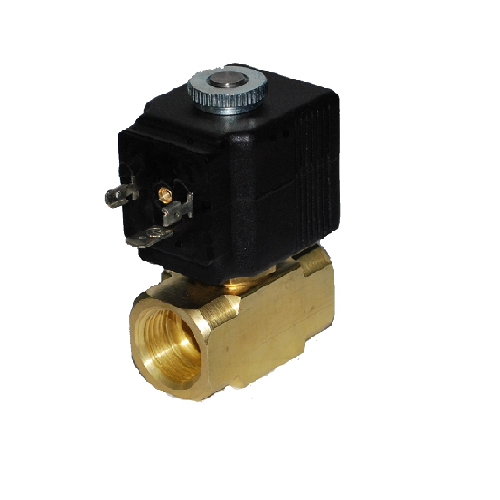
- Valves: They control the air flow in a system and can be operated manually or automatically.
- Actuators: Devices that transform the energy of compressed air into mechanical movement, driving machines or equipment.
- Filters: They remove impurities from compressed air, ensuring the quality of the air used in the systems.
- Regulators: They maintain air pressure at desired levels, ensuring the proper functioning of equipment.
These components work together to ensure pneumatic systems operate efficiently and safely. Pneumatic instrumentation is essential for process automation, as it allows precise control of machines and equipment, resulting in greater productivity and reduced errors.
Advantages of Pneumatic Instrumentation – Exploration of the main advantages, such as efficiency, safety and cost-benefit in process automation.
A pneumatic instrumentation offers several advantages which make it a popular choice in industrial automation. Among the main benefits, the following stand out:
- Efficiency: Pneumatic systems are fast and responsive. Compressed air can be activated instantly, allowing machines to operate at high speeds. This results in greater productivity and less downtime.
- Security: Pneumatic instrumentation is considered safer compared to electrical systems. Compressed air poses no risk of electrical shock, which is crucial in industrial environments where worker safety is a priority.
- Cost-benefit: Although the initial installation of pneumatic systems may be higher, operating costs tend to be lower. Compressed air is an abundant energy source and, when managed well, can result in significant savings over time.
- Flexibility: Pneumatic systems are highly adaptable. They can be easily modified or expanded to meet new production needs without the need for major changes to existing infrastructure.
- Reduced maintenance: Pneumatic equipment generally requires less maintenance than electrical systems. The simplicity of pneumatic components contributes to more reliable operation and fewer interruptions.
These advantages make pneumatic instrumentation an effective solution for many industries, allowing companies to improve their processes and increase market competitiveness.
Applications of Pneumatic Instrumentation in Industry – Examples of how pneumatic instrumentation is used in different industrial sectors, such as manufacturing and automation.
A pneumatic instrumentation It is widely used in various industrial sectors due to its versatility and efficiency. Below we present some applications practices of this technology:
- Manufacturing: In the manufacturing industry, pneumatic instrumentation is used to automate assembly processes. For example, pneumatic actuators can be used to move parts in production lines, ensuring speed and precision.
- Packaging: Pneumatic systems are common in packaging machines, where they are used to seal, label and package products. The speed and reliability of pneumatic systems increase production line efficiency.
- Food industry: In the food industry, pneumatic instrumentation is used to transport ingredients and finished products. The use of compressed air in transport systems prevents contamination, as there is no direct contact with food.
- Process Automation: In industrial processes, such as temperature and pressure control, pneumatic instrumentation is used to regulate and monitor operating conditions. Pneumatic transmitters send data in real time, allowing immediate adjustments.
- Automotive Sector: In vehicle manufacturing, pneumatic instrumentation is used in welding and painting robots. These systems ensure that operations are carried out with high precision and repeatability, improving the quality of the final product.
These applications demonstrate how pneumatic instrumentation is essential for industrial automation, contributing to the efficiency, safety and quality of production processes.
How to Implement Pneumatic Instrumentation Systems – Practical guidance for implementing pneumatic instrumentation systems, including tips and best practices.
Implement systems pneumatic instrumentation requires careful planning and technical knowledge. Here are some practical guidelines To ensure successful implementation:
- 1. Needs Assessment: Before starting implementation, it is essential to assess the specific needs of your operation. Identify which processes can be optimized with pneumatic instrumentation and which components will be required.
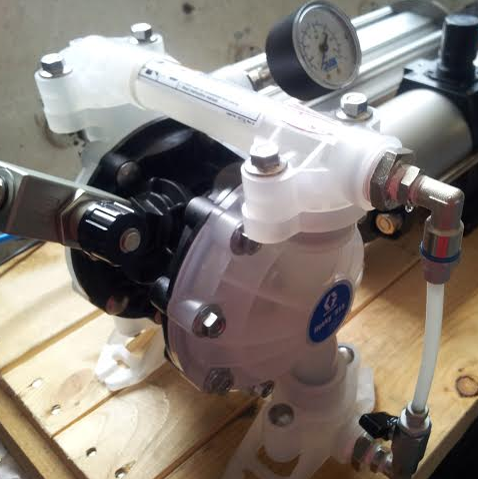
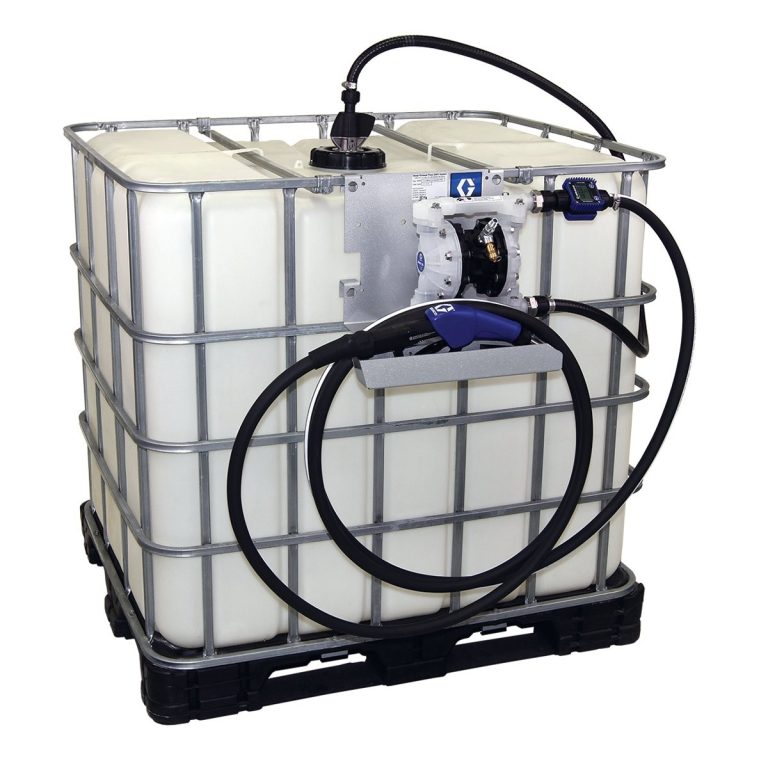
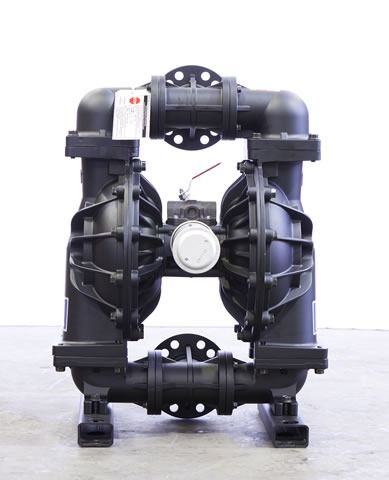
- 2. Choice of Components: Select quality components such as valves, actuators and transmitters. It is important to choose recognized brands, such as Graco Inc. e Pneumax, which guarantee reliability and durability.
- 3. System Design: Create a detailed design of the pneumatic system, including component layout and piping. A good design helps to avoid installation problems and ensures efficient operation.
- 4. Installation: Installation must be carried out by qualified professionals. Make sure all connections are tight and there are no leaks. Correct installation is crucial to system performance.
- 5. Tests and Adjustments: After installation, perform tests to verify that the system is working as expected. Make necessary adjustments to optimize performance and ensure all parties are operating in synergy.
- 6. Team Training: Provide training to the team that will operate and maintain the system. Adequate knowledge about the operation and maintenance of the pneumatic system is essential to avoid failures and ensure safety.
- 7. Regular Maintenance: Establish a preventive maintenance plan to ensure the longevity of the system. Regular maintenance helps identify problems before they become critical, ensuring ongoing system efficiency.
By following these guidelines, the implementation of pneumatic instrumentation systems can be carried out effectively, resulting in significant improvements in the automation and efficiency of industrial processes.