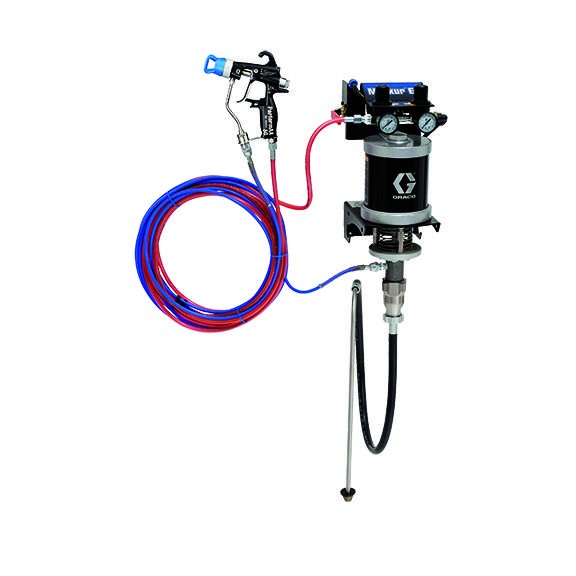
Lubricant injection is an essential technique in the maintenance of industrial equipment, ensuring that machines operate efficiently and extending their useful life. In this article, we will address the main benefits, applications and technologies involved in this process.
What is Lubricant Injection? Definition and basic principles of lubricant injection, including its importance in industrial maintenance.
Lubricant injection is a process that aims at the controlled application of lubricants in machines and equipment. This method is essential to ensure moving parts operate smoothly and efficiently.
A basic definition involves the use of systems that inject lubricant at specific points, reducing friction and wear on parts.
Os basic principles of lubricant injection include choosing the correct type of lubricant, injection pressure and frequency of application. It is essential that the lubricant meets the equipment manufacturer's specifications, as this ensures adequate protection against corrosion and wear.
A importance of lubricant injection in industrial maintenance cannot be underestimated. It not only extends the life of equipment, but also improves operational efficiency. With adequate lubrication, machines operate at lower temperatures, which reduces the risk of failures and unexpected stops. Furthermore, lubricant injection contributes to reducing maintenance costs, as it avoids costly repairs and extends the intervals between scheduled maintenance.
Benefits of Lubricant Injection Analysis of the main benefits, such as reduced wear, increased efficiency and reduced operating costs.
Lubricant injection offers a series of significant benefits for the operation of industrial machinery and equipment. One of the main benefits is the wear reduction. When moving parts are adequately lubricated, friction between them decreases, which results in less wear and, consequently, longer component life.
Another important benefit is the increased efficiency. Well-lubricated equipment runs more smoothly and efficiently, which can lead to increased productivity. This means machines can operate at their maximum capacity, reducing downtime and improving overall production.
A reduction of operating costs It is a crucial aspect that should not be ignored. With lubricant injection, preventive and corrective maintenance becomes less frequent, resulting in significant savings. Furthermore, reducing mechanical failures prevents unexpected downtime, which can be extremely costly for a company.
Finally, the injection of lubricant contributes to the sustainability of industrial processes, as the efficient operation of machines reduces energy consumption and minimizes wasted resources.
Applications of Lubricant Injection Exploration of various applications in industrial sectors, such as manufacturing, automotive and petrochemical.
Lubricant injection It is widely used in various industrial sectors, playing a crucial role in the maintenance and operation of equipment.
In the sector manufacturer, lubricant injection is applied to machines such as lathes, milling machines and presses. This equipment requires constant lubrication to avoid excessive wear and ensure precision in operations. Proper lubrication also helps maintain the quality of the final product, reducing the possibility of failures during the manufacturing process.
In the sector automotive, lubricant injection is essential for the operation of engines, transmissions and steering systems. Applying lubricants to critical points, such as bearings and gears, ensures that moving parts operate smoothly, increasing the vehicle's efficiency and extending its useful life. Furthermore, adequate lubrication contributes to reducing emissions and improving fuel economy.
Already in the sector petrochemical, lubricant injection is used in heavy equipment, such as pumps and compressors. This equipment operates in extreme conditions and, therefore, requires high-performance lubricants that can withstand high temperatures and pressures. Lubricant injection ensures that these systems function efficiently, minimizing the risk of failure and increasing operational safety.
In summary, lubricant injection is a vital practice in several sectors, contributing to the efficiency, safety and durability of industrial equipment.
Lubricant Injection Technologies Description of technologies available on the market, including automatic and manual lubrication systems.
Lubricant injection is supported by several technologies that guarantee efficiency and precision in the application of lubricants to machines and equipment. There are two main types of systems: automatic systems e manual systems.
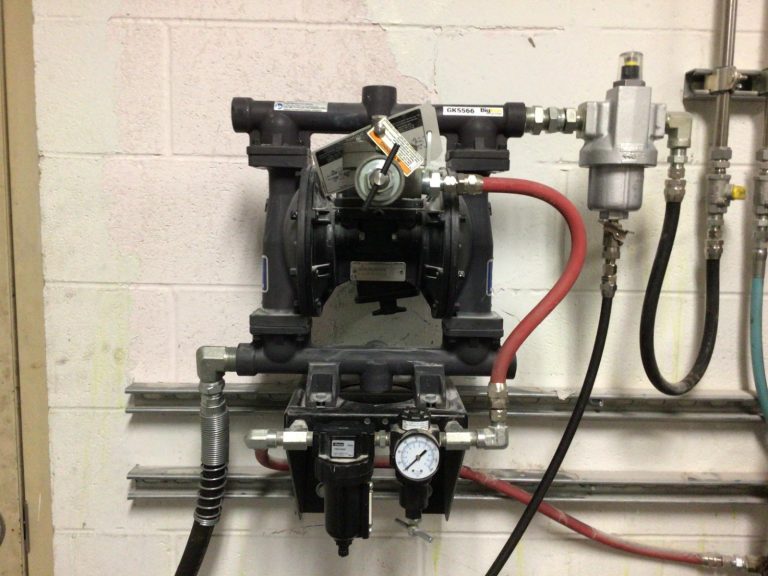
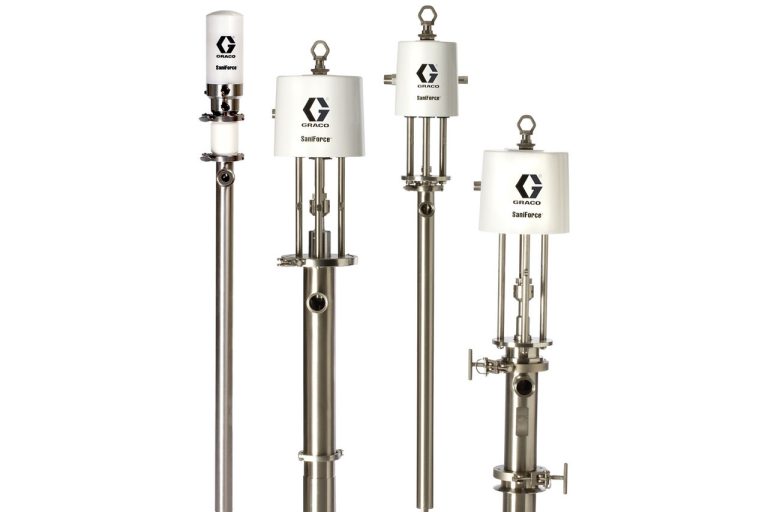
Os automatic systems are designed to provide continuous, controlled lubrication. They use sensors and controllers that monitor operating conditions and adjust the amount of lubricant injected as needed. These systems are ideal for industrial environments where continuous operation is crucial, as they minimize the need for manual intervention and ensure that each moving part receives the appropriate amount of lubricant. Examples of automatic technologies include electronic lubrication pumps e centralized lubrication systems, which can serve multiple lubrication points simultaneously.
On the other hand, the manual systems require the operator to manually apply the lubricant at regular intervals. Although they are less sophisticated, these systems are still effective in many applications, especially on smaller equipment or in situations where automation is not feasible. Manual systems may include lubrication syringes e manual pressure pumps, which allow the operator to control the amount of lubricant applied.
Both technologies have their advantages and disadvantages, and the choice between an automatic or manual system depends on the specific needs of the operation, the type of equipment and the work environment. Implementing the appropriate technology can result in significant improvements in operational efficiency and equipment life.