The beginning of the cycle is a fundamental concept in several sectors, especially in automation and process control. In this article, we will address what cycle start means, its relevance in pneumatic systems and how it can optimize industrial operations.
What is the Start of Cycle?
O start of cycle is a crucial concept in automation and process control systems. It refers to the point at which an operating cycle begins, whether in a machine, a pneumatic system or an industrial process. This moment is vital, as it determines how the equipment will work and how operations will be carried out.
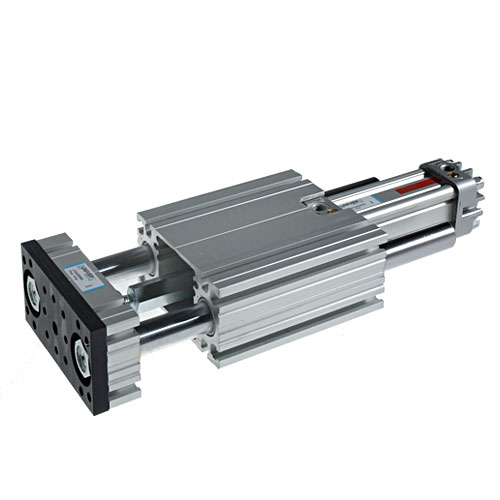
In pneumatic systems, for example, the start of the cycle can be triggered by an electrical signal or by a specific process condition. When the cycle begins, the valves and actuators are activated, allowing compressed air to enter the cylinders and perform the desired work. This may include moving parts, applying force, or performing repetitive tasks.
Furthermore, the beginning of the cycle is essential to guarantee the efficiency and a security of operations. A well-defined cycle start helps to avoid failures and optimize equipment performance. Therefore, it is important that operators and engineers understand how to configure and monitor this critical point in the systems they use.
In short, the beginning of the cycle is the starting point for a series of operations that, if well managed, can lead to a significant increase in the productivity and quality of industrial processes.
Importance of Cycle Start in Automation
A importance of the beginning of the cycle in automation cannot be underestimated. This starting point is essential to ensure all systems operate efficiently and safely.
When a cycle starts correctly, machines and equipment are activated synchronously, which minimizes the risk of failures and increases productivity.
A well-defined cycle start allows operators to have full control over the process. This means they can monitor and adjust operations in real time, ensuring everything works as planned.
Furthermore, an efficient cycle start reduces downtime, which is crucial in industrial environments where every second counts.
Another important aspect is the security. A poorly configured cycle start can lead to accidents and damage to equipment. Therefore, it is essential that companies invest in training and control systems that ensure that the beginning of the cycle occurs properly.
Furthermore, modern automation allows the start of the cycle to be programmed and monitored by advanced control systems. This not only increases accuracy, but also allows for the collection of data that can be analyzed to continually improve processes.
Thus, the importance of the beginning of the cycle in automation is reflected in efficiency, safety and innovation.
Practical Applications of the Beginning of the Cycle
As practical applications of the beginning of the cycle are diverse and essential in various industrial sectors. In pneumatic systems, for example, the start of the cycle is used to activate valves and actuators that control the flow of compressed air. This allows machines to perform tasks such as moving parts, assembling and packaging products.
In the painting industry, the start of the cycle is crucial to ensure that the spray guns are activated at the right time. This ensures uniform coverage and avoids material waste. The synchronization between the start of the cycle and the movement of the part to be painted is essential for the quality of the finish.
Another example is in automated assembly lines, where the start of the cycle triggers a sequence of operations. Each step of the process depends on the beginning of the cycle to ensure that the components are assembled correctly and at the right time. This results in greater efficiency and reduced errors.
Furthermore, in temperature and pressure control systems, cycle start is used to initiate heating or cooling processes. This is vital in chemical and food industries, where precise control of operating conditions is necessary to guarantee the quality of the final product.
These applications demonstrate how cycle initiation is an integral part of many industrial processes, contributing to the efficiency, safety and quality of operations.
Best Practices for Early Cycle Implementation
As best practices for implementing the beginning of the cycle are fundamental to ensuring efficiency and safety in automated systems. Firstly, it is essential to carry out a detailed planning before starting implementation. This includes clearly defining the cycle objectives and identifying the equipment involved.
Another important practice is the calibration of sensors and actuators. Make sure all devices are working properly and your responses are accurate. This helps prevent failures during the beginning of the cycle and ensures that operations are performed as expected.
Furthermore, it is recommended to carrying out tests before full implementation. Testing in controlled environments can help identify problems and adjust settings. This is especially important in complex systems, where a small failure can have big consequences.
Staff training is also crucial. All operators must understand how cycle start works and what their responsibilities are. Good training can prevent errors and increase team confidence in operating systems.
Finally, the continuous monitoring at the beginning of the cycle is a practice that should not be neglected. Use control systems that allow you to monitor performance in real time. This helps you quickly identify any anomalies and take corrective action before they become larger problems.