Pressure indicators are essential devices in various industrial sectors, allowing you to monitor and control fluid pressure in pneumatic and hydraulic systems. In this article, we will address the importance of these instruments, their practical applications and tips for choosing the most appropriate model.
1. What is a Pressure Indicator?
One pressure indicator is a device used to measure and display the pressure of a fluid in a system. It can be found in various applications, such as pneumatic and hydraulic systems.
The operation of this equipment is based on physical principles that allow the conversion of pressure into a visual signal, generally in the form of a pointer or digital display.
Pressure indicators can be classified into different types such as gauge, which measure pressure in relation to atmospheric pressure, and pressure switches, which are devices that not only measure but can also activate or deactivate a system when pressure reaches a certain level.
These instruments are essential to ensure the safety and operational efficiency of industrial machines and processes. Accuracy in pressure measurement is crucial, as inadequate pressures can lead to equipment failures, accidents and even damage to the final product.
Furthermore, the choice of the type of pressure indicator must take into account factors such as the measurement range, the type of fluid to be measured and the environmental conditions in which the device will be used. Understanding what a pressure indicator is and how it works is essential for any professional who works with systems that involve fluids under pressure.
2. Applications of the Pressure Indicator in Industry
Os pressure indicators They have a wide range of applications in industry, being essential for process monitoring and control.
One of the main sectors that uses these devices is petrochemical sector, where the pressure of gases and liquids must be constantly monitored to ensure the safety and efficiency of operations.
No food and beverage sector, pressure indicators are used in packaging and processing systems. The correct pressure is crucial to avoid contamination and guarantee the quality of the final product. Furthermore, in pasteurization processes, pressure must be controlled to ensure the effectiveness of the heat treatment.
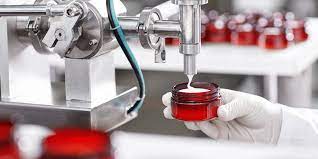
Na pharmaceutical, accuracy in pressure measurement is vital. Pressure indicators are used in reactors and fluid transport systems, where pressure must be maintained within specific limits to ensure the integrity of chemicals and the safety of operators.
Another example is the automotive industry, where pressure indicators are used in brake and suspension systems. Proper pressure is critical to vehicle performance and safety. Furthermore, in air conditioning systems, measuring the refrigerant pressure is essential for the efficient operation of the system.
Finally, in HVAC systems (heating, ventilation and air conditioning), pressure indicators help monitor air pressure and the efficiency of ventilation systems, ensuring a comfortable and safe environment.
3. How to Choose the Ideal Pressure Indicator
Choose the pressure indicator ideal is a task that requires attention to several factors. Firstly, it is important to consider the measurement range of the device. Each application may require different pressure levels, and a gauge that does not meet these needs may result in inaccurate measurements.
Another aspect to be evaluated is the Type of fluid that will be measured. Pressure indicators are designed to work with specific liquids or gases. Therefore, it is essential to ensure that the indicator material is compatible with the fluid, avoiding corrosion or equipment failure.
A connection of the indicator must also be taken into account. There are different types of connections, such as threads or flanges, and the correct choice depends on the system in which the indicator will be installed. An inadequate connection can cause leaks and compromise system safety.
In addition, the precision of the indicator is a critical factor. Highly accurate indicators are essential in applications where small pressure variations can have large impacts. Check the manufacturer's specifications to ensure the indicator meets the necessary accuracy requirements.
Lastly, consider ease of reading of the indicator. Devices with digital displays can be easier to interpret than analog gauges, especially in low-light environments. Choosing an indicator that allows quick and clear reading can increase operational efficiency.
4. Maintenance and Calibration of Pressure Indicators
A maintenance and a calibration of pressure indicators are essential processes to ensure the accuracy and reliability of these devices. Regular maintenance helps identify problems before they become critical, preventing system failures and ensuring safe operations.
One of the first steps in maintenance is visual inspection. Check the indicator for signs of wear, corrosion, or physical damage. Damaged components must be replaced immediately to avoid inaccurate measurements.
A calibration must be carried out periodically, in accordance with the manufacturer's recommendations and industry standards. This process involves comparing the indicator reading to a known reference standard. If there are discrepancies, adjustments must be made to ensure the indicator provides accurate measurements.
Additionally, it is important to document all maintenance and calibration activities. This not only helps maintain a history of equipment, but is also critical for audits and compliance with safety regulations.
In industrial environments, the maintenance frequency may vary depending on the use of the equipment. Indicators that operate under extreme conditions, such as high temperatures or pressures, may require more frequent maintenance. Therefore, it is crucial to follow a maintenance schedule based on specific operating conditions.
Finally, always use replacement parts and tools recommended by the manufacturer during maintenance. This ensures that the pressure indicator continues to operate within the expected quality and safety standards.