Fluid hydration is a crucial aspect in the maintenance of pneumatic systems, as it directly influences the performance and useful life of the equipment. In this article, we will cover the main hydration methods, their importance and practical tips for optimizing system performance.
What is Fluid Hydration? – Definition and basic concepts about fluid hydration in pneumatic systems.
Fluid hydration refers to the process of ensuring that the fluids used in pneumatic systems are in optimal operating condition. This involves adding controlled humidity to the fluid, which can be compressed air or other types of industrial fluids. THE adequate hydration It is essential to avoid problems such as premature wear of components and internal corrosion of equipment.
A importance of fluid hydration cannot be underestimated. When the fluid is properly hydrated, it provides efficient lubrication, reducing friction between moving parts and increasing system efficiency. Additionally, the presence of adequate humidity helps prevent the formation of condensation, which can cause significant damage to pneumatic components.
There are several fluid hydration methods that can be used. One of the most common methods is the use of air dehumidifiers, which remove excessive moisture from compressed air. Another method is the injection of controlled humidity directly into the system, which can be done using a humidifier. It is important to constantly monitor humidity levels to ensure they are within the equipment manufacturer's recommended specifications.
To maintain the fluid hydration and avoid problems, some practical tips for maintenance include: carrying out regular inspections of pneumatic systems, monitoring the quality of the fluid and humidity of the compressed air, and changing filters and water separators according to the manufacturer's recommendations. Furthermore, it is essential to train the team responsible for maintenance so that they are aware of the importance of hydration and know how to identify signs of problems related to humidity.
Importance of Fluid Hydration – How adequate fluid hydration impacts the efficiency and durability of pneumatic equipment.
Adequate fluid hydration It is essential for the efficient operation of pneumatic systems. When the fluid is in optimal condition, it ensures that all system components operate smoothly and effectively. This results in a greater energy efficiency, as less energy is required to move the components. Furthermore, correct hydration of the fluid helps reduce wear of equipment, prolonging its useful life and reducing the need for frequent maintenance.
A durability of pneumatic equipment It is also directly related to the quality of the fluid used. Inadequately hydrated fluids can cause corrosion and residue buildup, leading to premature failure. Therefore, maintaining fluid hydration is an essential practice to avoid unexpected downtime and high repair costs.
Another important aspect is that the hydration of the fluid influences the overall system performance. Systems that operate with well-hydrated fluid present better response in terms of speed and precision, which is crucial in industrial applications where productivity is a priority.
In summary, adequate fluid hydration not only improves equipment efficiency and durability, but also contributes to the system reliability as a whole, ensuring that industrial operations occur without interruptions.
Fluid Hydration Methods – Main methods and techniques to ensure correct fluid hydration in pneumatic systems.
Fluid hydration methods are essential to ensure that pneumatic systems function efficiently. One of the most used methods is the air filtration, which removes particles and moisture from compressed air before it enters the system. This is crucial as excessive moisture can cause corrosion and component failure.
Another important method is the controlled humidity injection. This process involves adding water or moisture to compressed air in specific amounts, ensuring that the fluid maintains an ideal level of hydration. It is essential that this injection is monitored to avoid fluid saturation.
A use of dehumidifiers It is an effective technique for environments where humidity is high. These devices remove moisture from compressed air, keeping the fluid dry and free of contaminants.
In addition, the regular system maintenance is vital. This includes checking filters, water separators and changing worn components. A well-maintained system not only ensures adequate fluid hydration, but also increases the life of the equipment.
Finally, it is important to carry out fluid quality testing periodically. This helps identify problems before they become critical, ensuring the system always operates at its maximum capacity.
Practical Maintenance Tips – Suggestions and best practices for maintaining fluid hydration and avoiding problems in pneumatic systems.
Maintain fluid hydration in pneumatic systems is crucial to guarantee the performance and durability of the equipment. Here are some practical tips for maintenance that can help with this process:
1. Regular inspections: Perform periodic inspections of pneumatic systems to check for the presence of excessive moisture or contamination in the fluid. This helps identify problems before they become critical.
2. Filter exchange: Replace air filters and water separators according to the manufacturer's recommendations. Clean filters ensure that compressed air is free from impurities and moisture.
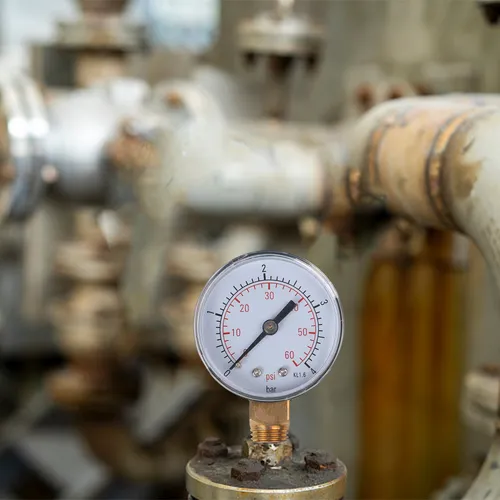
3. Humidity monitoring: Use humidity meters to monitor compressed air humidity levels. This allows immediate adjustments to fluid hydration, avoiding future problems.
4. Dehumidifier maintenance: If the system uses dehumidifiers, regularly check their operation and perform necessary maintenance to ensure they are operating efficiently.
5. Team education: Train the team responsible for maintenance so that they understand the importance of fluid hydration and know how to identify signs of moisture-related problems.
6. Fluid quality testing: Perform fluid quality tests periodically to ensure it is within required specifications. This helps prevent failures and maintain system efficiency.
7. Documentation: Keep detailed records of maintenance performed and humidity levels. This makes it easier to track and identify patterns that may indicate recurring problems.