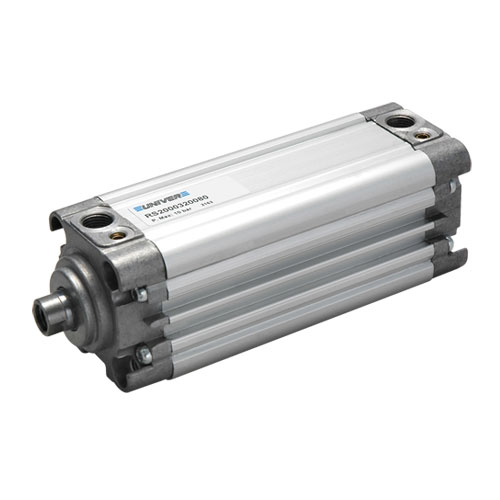
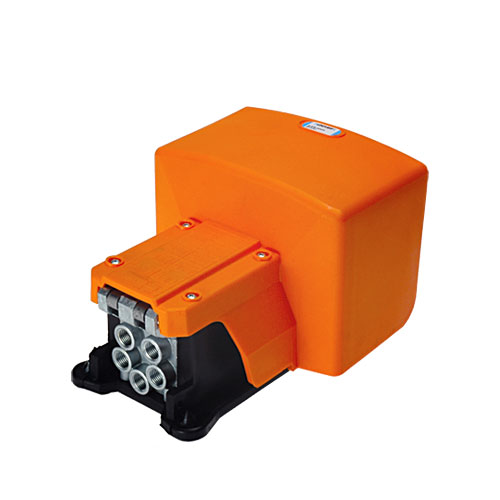
The alignment rod is a crucial component in pneumatic systems, providing stability and precision in the positioning of actuators and cylinders. In this article, we will explore the practical applications and benefits of using alignment rods in automation, highlighting their importance for operational efficiency and reducing failures in industrial processes.
What is an Alignment Rod?
A alignment rod It is an essential component in pneumatic systems, designed to ensure the correct positioning of actuators and cylinders. It acts as a guide, allowing moving elements to align precisely during operation. This alignment is crucial for the efficient performance of systems, as it avoids unnecessary wear and operational failures.
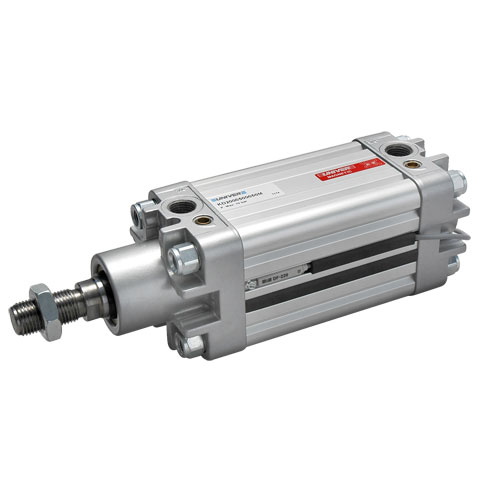
Alignment rods are generally manufactured from durable materials such as stainless steel or aluminum that offer resistance to corrosion and wear. The design of these rods may vary depending on the specific application, but they all have in common the function of providing stability and precision.
Additionally, correct installation of the alignment rod is critical. Improper alignment can result in serious problems, such as air leaks, mechanical failures and reduced service life of pneumatic components. Therefore, it is important to follow the manufacturer's recommendations and carry out regular maintenance to ensure that the rod is always in good working order.
Advantages of the Alignment Rod
A alignment rod offers several advantages which are essential for the efficient operation of pneumatic systems. One of the main advantages is the positioning accuracy. With the rod properly installed, the actuators and cylinders align correctly, which minimizes errors and increases process efficiency.
Another significant advantage is the reduced wear of the components. When the elements are aligned, there is less friction and unnecessary pressure, which extends the useful life of the equipment. This results in fewer maintenance stops and, consequently, a more continuous and productive operation.
A ease of installation is also a positive point. Many alignment rods are designed to be installed simply, allowing technicians to perform assembly quickly without the need for complex tools. This saves time and resources during implementation.
Additionally, the alignment rod contributes to operational security. A well-aligned system reduces the risk of mechanical failures that can lead to accidents. This is especially important in industrial environments where worker safety is a priority.
Practical Applications
A alignment rod is widely used in various Practical Applications within pneumatic automation. One of the main sectors that benefit from this component is manufacturing industry. In this area, alignment rods are essential to ensure that the actuators that control machines and equipment are always in the correct position, optimizing production.
Another example is the use in assembly lines. In processes where precision is critical, alignment rods help maintain synchronization between different parts of the system, preventing failures and improving overall efficiency. This is especially important in automotive industries, where the quality of the final product depends on perfect alignment.
Alignment rods are also applied in transportation systems, such as conveyors and conveyors. They ensure that moving components are correctly aligned, reducing the risk of jams and increasing operational safety. This is vital in environments where material movement is constant.
Additionally, alignment rods are used in packaging equipment, where precision in positioning is essential to ensure that products are packaged correctly. Proper alignment prevents waste and improves the quality of the final product.
Choosing the Ideal Alignment Rod
Choose the ideal alignment rod is a crucial step to ensure the efficiency and durability of pneumatic systems. There are several factors to consider during this choice. First, it is important to assess the material of the stem. Stainless steel rods are recommended for corrosive environments, while aluminum rods may be lighter and suitable for general applications.
Another aspect to consider is the diameter of the stem. The diameter must be compatible with the components that will be used, ensuring a perfect fit. Rods that are too thin may not support the necessary load, while rods that are too thick may make movement difficult.
A length of the stem is also an important factor. It is essential that the rod has the appropriate length for the system in which it will be installed, allowing the correct alignment of the actuators and cylinders. Inadequate length may lead to malfunctions.
Furthermore, it is essential to consider the technical specifications from the manufacturer. Each rod can have different characteristics, such as temperature resistance and load capacity. Checking these specifications helps ensure the rod you choose meets your system's specific needs.
Finally, it is recommended to consult a specialist or engineer who can assist in selecting the most suitable alignment rod. This guidance can prevent future problems and ensure that the system operates efficiently and safely.