Temperature quantity is one of the main variables in industrial and scientific processes. It represents the heat or cold measure of a body and is critical to process control, safety and efficiency in various applications. In this article, we will explore what temperature quantity is, how it is measured and its relevance in different sectors.
What is temperature quantity? - Definition and basic concepts about temperature quantity.
Temperature It is a measure that expresses the intensity of the heat of a body or environment. It is critical to understanding how thermal energy behaves in different materials and systems. The temperature is a scalar quantity, which means it has only magnitude and not direction. The most common unit of measure for temperature is Celsius (° C), but we also use Kelvin (K) and Fahrenheit (° F) in some specific applications.
There are different temperature scales, the best known to Celsius, Kelvin and Fahrenheit. The Celsius scale is widely used in countries that adopt the metric system, while the Fahrenheit scale is most common in the United States. The Kelvin scale is mainly used in scientific contexts, as it starts at the absolute zero, where particles have the lowest possible thermal energy.
Temperature measurement It is a crucial aspect in many areas, from industry to medicine. Measurement methods include mercury thermometers, digital thermometers, and temperature sensors such as thermocouples and RTDs (Resistance Tempeuture Detectors). Each of these instruments has its advantages and disadvantages, depending on the application. For example, mercury thermometers are accurate, but are no longer recommended due to environmental issues. Digital sensors offer quick and accurate measurements, being ideal for industrial applications.
The importance of temperature in industrial processes cannot be underestimated. The temperature affects chemical reactions, physical properties of materials and machine efficiency. Therefore, constant temperature monitoring is essential to ensure product quality and process safety. In chemical industries, for example, a temperature variation can change the reaction rate, resulting in unwanted or even dangerous products.
Practical applications of temperature quantity They are vast and varied. In the chemical sector, the temperature is monitored to ensure that the reactions occur under ideal conditions. In food industry, the temperature is crucial for food conservation and safety, avoiding the proliferation of bacteria. In the pharmaceutical sector, the temperature should be rigorously controlled during the storage and transportation of medicines, ensuring its effectiveness. Thus, temperature quantity plays a vital role in various industries, ensuring the quality and safety of products.
Temperature measurement - methods and instruments used to measure temperature, including thermometers and sensors.
Temperature measurement It is an essential process in many areas as it allows to quantify the thermal energy of a body.
There are several methods and instruments to measure temperature, each with its own specific characteristics and applications. Among the most common instruments are the thermometers, which can be of different types, such as mercury, digital and infrared.
Os Mercury Thermometers They were widely used due to their accuracy, but are currently being replaced by safer alternatives due to the environmental risk of mercury.
Os Digital Thermometers They are a modern option that offers quick and accurate measurements. They use electronic sensors to detect temperature and are widely used in industrial and laboratory environments.
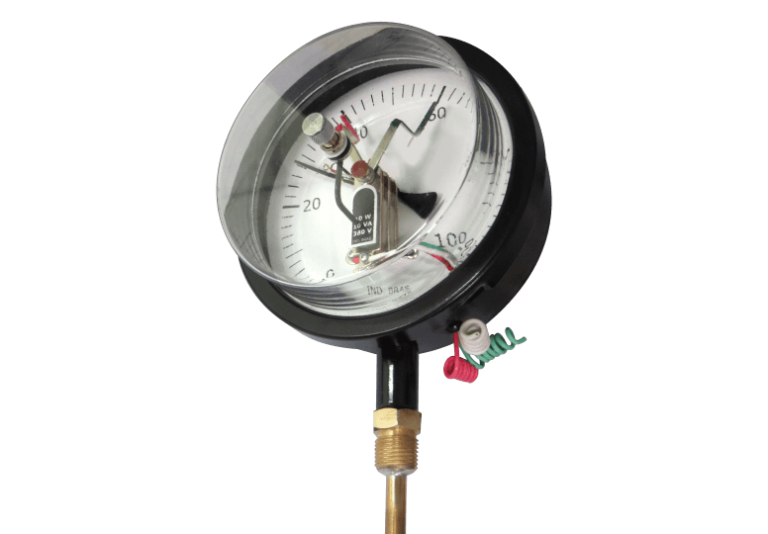
Os Temperature Sensors, like the thermocouples e Rts (Resistance Temperature Detectors), are widely used in industrial applications. Thermocouples work based on the potential difference generated between two different metals when exposed to varied temperatures. The RTDs use the variation of the electrical resistance of a material to measure the temperature. Both are known for their accuracy and ability to operate at a wide temperature range.
In addition, the infrared sensors allow temperature measurement at a distance, without the need for physical contact with the object. This is especially useful in processes where contact can be impractical or dangerous. These sensors are often used in industries that deal with materials at high temperatures such as metallurgy and ceramic.
The choice of measurement method depends on several factors, such as the temperature range, the necessary accuracy and the environmental conditions. Correct temperature measurement is crucial to ensure process quality and safety, avoiding failures and ensuring operational efficiency.
Importance of temperature in industrial processes - such as temperature affects industrial processes and the need for constant monitoring.
The importance of temperature in industrial processes It is a critical factor that cannot be ignored. Temperature directly influences the efficiency and safety of various operations. In many chemical processes, for example, temperature should be kept at specific levels to ensure that reactions occur properly. A variation in temperature can result in unwanted products or even dangerous reactions.
In addition, the temperature affects the physical properties of the materials. In industries that work with metals, plastics and other compounds, temperature can change viscosity, hardness and resistance of materials. Therefore, strict temperature control is essential to ensure the quality of the final product.
The need for constant monitoring of temperature becomes evident in industrial environments. Automated systems are often used to monitor the temperature in real time, allowing immediate adjustments when necessary. This not only improves the efficiency of the process, but also minimizes failures of failures and accidents.
In sectors such as food, the temperature is crucial to ensuring the safety of the products. Food storage and transportation should be performed at controlled temperatures to avoid proliferation of bacteria. Continuous monitoring of temperature in cold chambers and during transport is a common practice to ensure that foods remain safe for consumption.
In the pharmaceutical sector, temperature also plays a vital role. Medicines and vaccines often require specific temperature conditions to maintain its effectiveness. Strict control of temperature during storage and transportation is therefore a priority to ensure the integrity of pharmaceutical products.
Therefore, the temperature is not just a measure; It is a fundamental element that affects the quality, safety and efficiency of processes in various industries. Investment in temperature monitoring and control technology is essential to ensure that industrial processes operate safely and effectively.
Practical Applications of Temperature Quantity - Examples of temperature applications in sectors such as chemical, food and pharmaceutical.
Practical applications of temperature quantity They are diverse and essential in various sectors of the industry. In the sector chemical, temperature is a critical factor that influences chemical reactions. Many reactions require specific temperature conditions to occur efficiently. For example, chemical synthesis can be optimized with precise control of temperature, ensuring that reagents behave as expected and result in high quality products.
In the sector food, temperature plays a vital role in the conservation and safety of food. The storage of perishable products such as meat, dairy and vegetables should be performed at controlled temperatures to prevent bacteria proliferation. Temperature monitoring systems are often used in cold chambers and during transportation to ensure that food remains safe for consumption.
In addition, the temperature is crucial in pasteurization, a process that uses heat to eliminate pathogenic microorganisms in food and beverages. Strict control of temperature during pasteurization ensures that the final product is safe and has a prolonged service life.
In the sector pharmaceutical, the temperature is equally important. Medicines and vaccines often require specific storage conditions to maintain its effectiveness. For example, vaccines may need to be kept at temperatures between 2 ° C and 8 ° C. Constant temperature monitoring during storage and transportation is essential to ensure the integrity of pharmaceutical products.
The applications of temperature quantity go beyond these sectors. In the industry petrochemistry, temperature is monitored in oil refining and transformation processes, where variations can affect the quality of fuels produced. In laboratories, temperature is controlled in experiments to ensure accurate and reproducible results. Therefore, temperature quantity is a fundamental element that impacts quality, safety and efficiency on various industries.