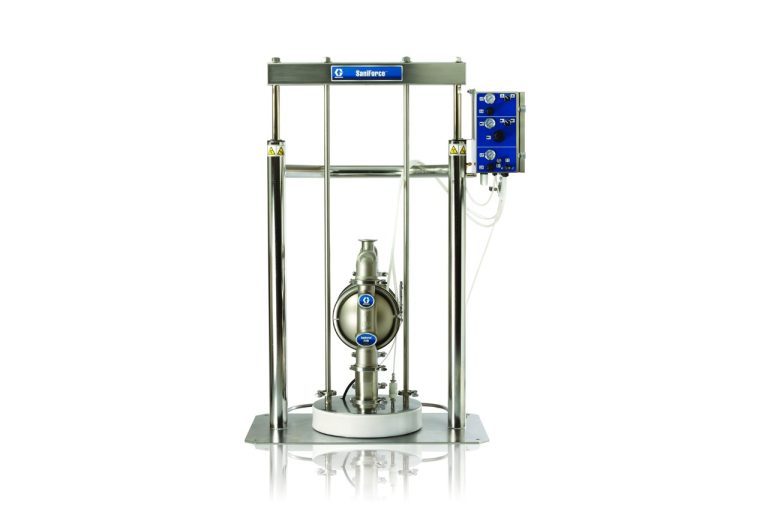
Compressed air supply is an essential solution for various industrial applications, from automation to fluid handling. Understanding your advantages and applications can transform your business productivity.
1. What is compressed air supply?
O Compressed air supply It refers to the process of generating and distributing compressed air to various industrial applications. This air is produced by compressors that increase atmospheric air pressure, making it useful for a variety of operations. Compressed air is a versatile and efficient energy source, widely used in factories, workshops and production facilities.
Compressed air supply systems are composed of various parts, including compressors, reservoir, pipes e accessories. Compressors are responsible for turning air into a pressurized form, while reservoirs store this air for later use. The pipes carry compressed air to the points of use, where it can be used in pneumatic tools, automation systems and other equipment.
In addition, compressed air supply is essential to ensure the efficiency and safety of industrial operations. Compressed air quality should be monitored as the presence of moisture and contaminants can affect equipment performance and the quality of end products.
2. Advantages of compressed air use
Or use of compressed ar offers several advantages that can improve efficiency and productivity in industrial operations. One of the main advantages is the energy efficiency. Well -designed compressed air systems can reduce energy consumption, resulting in significant economy in operating costs.
Another advantage is the versatility of the compressed air. It can be used in a wide range of applications, from pneumatic tools to process automation. This flexibility allows industries to adapt compressed air use according to their specific needs.
In addition, compressed air is a clean energy source. Unlike fossil fuels, compressed air does not generate pollutants during its use, contributing to a safer and healthier work environment. This is especially important in sectors where air quality is critical.
O maintenance and a manipulation Compressed air systems are also relatively simple. With proper maintenance, these systems can operate reliably for long periods, reducing inactivity time and increasing productivity.
3. Compressed air applications in the industry
O compressed ar It is widely used in several industrial applicationsdue to its versatility and efficiency. One of the most common applications is in the activation of pneumatic tools, such as impact keys, drills and paint pistols. These tools are preferred in many industries for their power and lightness, allowing for more agile and less tiring work.
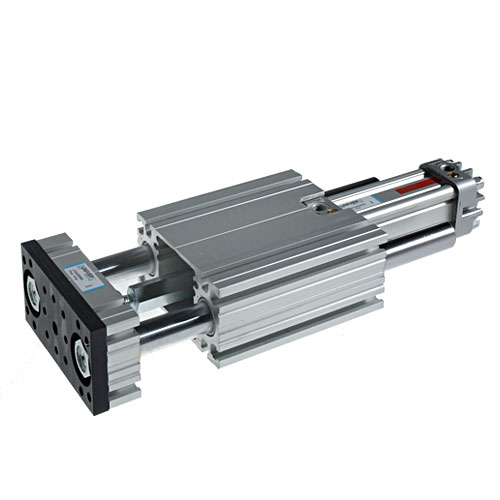
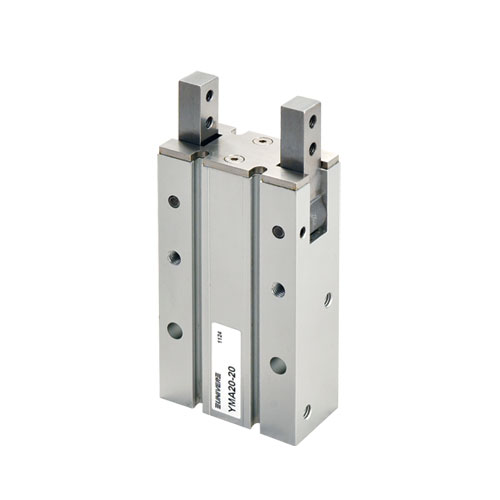
Another important application of compressed air is in process automation. Pneumatic control systems use compressed air to operate cylinders and actuators, allowing accurate and fast movements on assembly lines. This results in greater efficiency and productivity in manufacturing operations.
Compressed air is also used in transportation systems of materials. In food and pharmaceutical industries, for example, compressed air is used to move products in treadmills and packaging systems, ensuring that materials are safely and efficiently handled.
In addition, compressed air is essential in processes of cleaning. It is used to remove dirt and machine and equipment debris, ensuring that operations continue without interruption. The use of compressed air for cleaning is an effective and fast alternative compared to traditional methods.
4. How to choose a compressed air supply system
Choose a compressed air supply system Appropriate is crucial to ensure the efficiency and effectiveness of industrial operations. For starters, it is important to consider the air demand of its application. This involves calculating the necessary compressed air volume, measured in liters per minute (L/min), to meet the needs of the tools and equipment that will be used.
Another factor to consider is the operating pressure. Different applications require different pressure levels, which can range from 6 to 10 bar, or even more. It is essential to choose a system that can provide the necessary pressure constantly and reliably.
A energy efficiency It must also be a priority. Compressed air systems can consume a significant amount of energy, so choosing compressors with high energy efficiency can result in long -term economy. Check efficiency classifications and consider the possibility of integrating heat recovery systems.
In addition, the maintenance of the system is an important aspect. Choose a system that is easy to maintain and have available technical support. Regular maintenance is essential to ensure the longevity of the equipment and avoid unexpected stops.
Finally, consider compressed air quality. It is important for the system to include filters and dryers to remove moisture and contaminants, ensuring that the compressed air meets the quality standards required by its application.