Air flow is a fundamental concept in many areas, especially in automation and pneumatic. Understanding how airflow behaves and how it can be controlled is essential to ensure efficiency and safety in industrial processes. In this article, we will address the main aspects of airflow, their applications and tips for optimization.
What is airflow? Definition and basic concepts on airflow, including its characteristics and measurements.
What is Air Flow? Airflow refers to the movement of air in a given space or system. It is a fundamental concept in several applications, especially in automation and pneumatics. Airflow can be measured in terms of speed, flow e pressure.
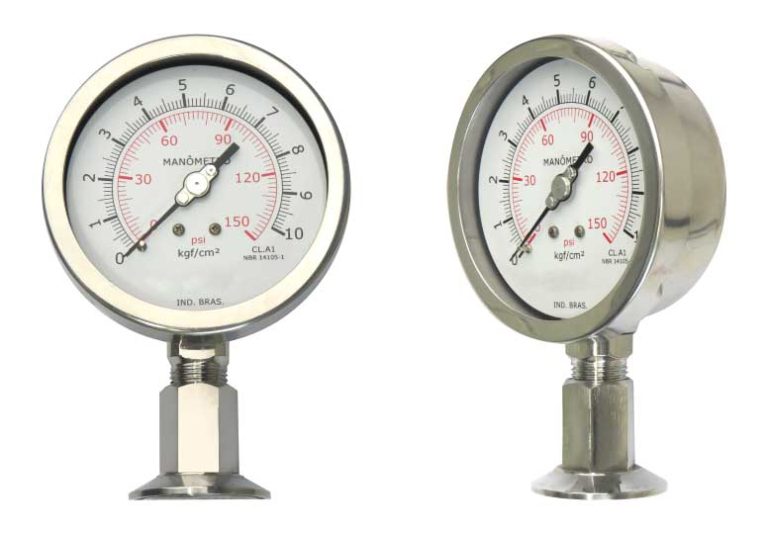
A speed of air is how quickly it moves through a space, usually measured in meters per second (m/s). THE flow is the quantity of air that passes through a cross section in a given period, often expressed in liters per minute (L/min) or cubic meters per hour (m³/h). THE pressure From the air, in turn, it is the force exerted by air in a specific area and is measured in Pascals (PA) or psi (pounds by square inch).
Air flow is influenced by several factors, including the temperature, a humidity and a geometry of the system. In pneumatic systems, airflow control is crucial to ensure efficient equipment operation. A suitable airflow can improve the performance of actuators, valves and other components, while an inappropriate flow can lead to flaws and inefficiencies.
In addition, airflow can be classified as laminar or turbulent. Laminar flow is characterized by a smooth and ordered movement, while turbulent flow has chaotic and disordered movements. Understanding these characteristics is essential for the design and operation of systems that depend on the air flow.
Importance of airflow in pneumatic systems paper analysis of airflow in pneumatic systems and how it affects equipment efficiency and performance.
Importance of airflow in pneumatic systems
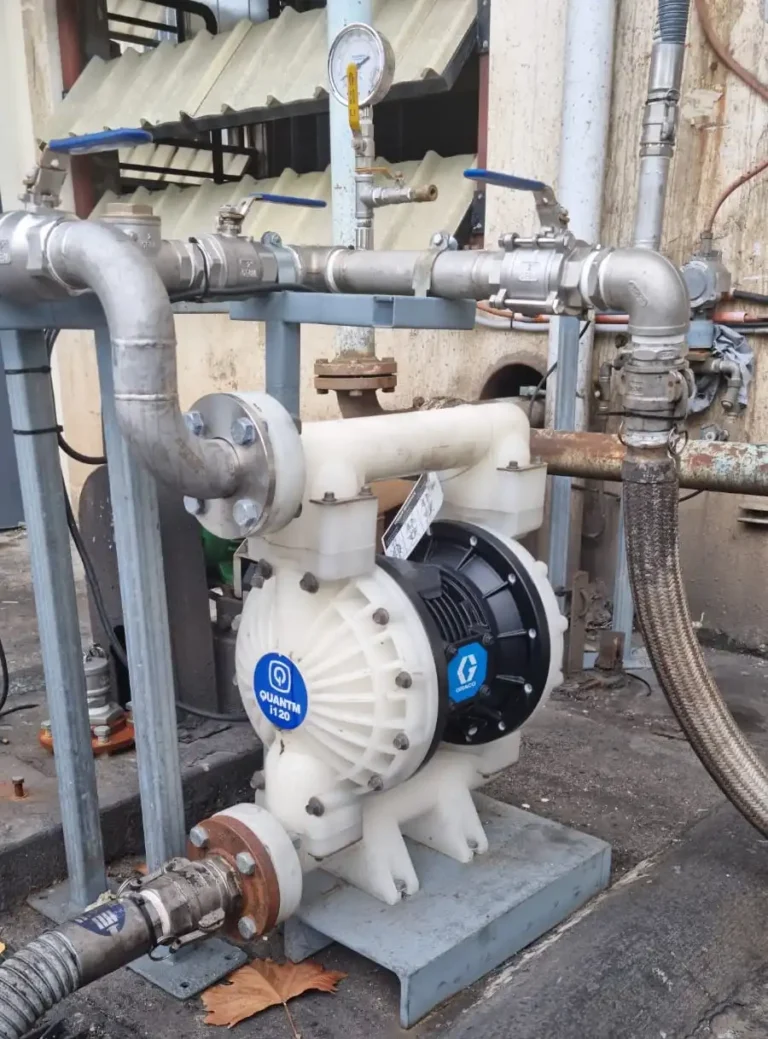
Airflow is a crucial element in pneumatic systems as it is responsible for moving and controlling various components such as actuators and valves. The efficiency of airflow directly impacts the performance and a reliability of the equipment. When airflow is optimized, systems operate more smoothly and efficiently, resulting in lower energy consumption and reduced operating costs.
A suitable air flow ensures that actuators receive the pressure required to function properly. If the flow is insufficient, actuators may not achieve the desired force, leading to a below -expected performance. On the other hand, excessive flow can cause premature component wear and increase the risk of failures.
A maintenance Regular compressed air system is essential to ensure that the flow remains within the ideal parameters. This includes leakage verification, filter cleaning and calibration of pressure regulators. In addition, choosing high quality components such as valves and connectors can significantly improve airflow control.
In short, airflow is vital for the efficient functioning of pneumatic systems. Proper flow control of flow not only improves equipment performance, but also contributes to the longevity and reliability of the system as a whole.
Practical applications of airflow exploration of various airflow applications in industries, such as painting, material transportation and automation.
Practical Applications of Air Flow
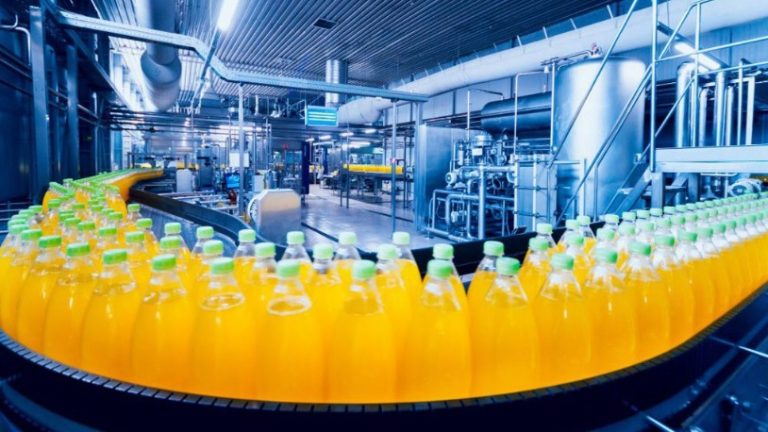
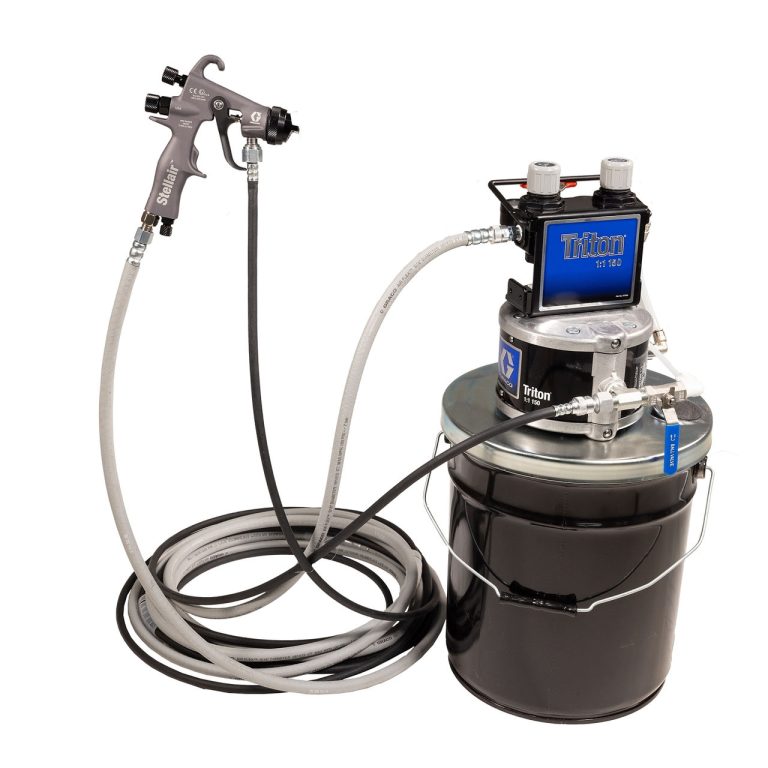
Air flow plays a key role in various industries, and is essential for various applications. One of the most notable areas is the industrialwhere airflow is used to atomize paints and coatings. Pneumatic painting systems ensure uniform and efficient application, reducing material waste and improving the quality of finishing.
Another important application of air flow is in material transportation. In industries that work with grains, powders or small components, airflow is used to move these materials through tubes and ducts. This method is efficient and minimizes manual contact, increasing safety and productivity.
Na industrial automation, airflow is crucial for the operation of pneumatic actuators. These actuators convert compressed air energy in mechanical motion, allowing process automation such as product assembly, packaging and handling. Precision in airflow control is vital to ensure that actuators operate with the necessary strength and speed.
In addition, airflow is used in ventilation e climatizationwhere it is necessary to ensure adequate air circulation in industrial environments. This not only improves working conditions, but also helps maintain the quality of the final product.
In short, airflow is a versatile and indispensable tool in various industrial applications, contributing to the efficiency and effectiveness of processes.
Tips for Optimization of Air Flow suggestions and best practices to optimize airflow in industrial systems, aiming at efficiency and cost reduction.
Tips for Optimization of Air Flow
To ensure efficiency and cost reduction in industrial systems, it is essential to optimize airflow. Here are some practical suggestions:
1. Check leaks: Pipes and connections leaks can cause significant loss of compressed air. Perform regular inspections and use solutions such as leakage detectors To identify and correct problems quickly.
2. Keep filters clean: Dirty filters can restrict air flow and reduce system efficiency. Clean or replace filters according to the manufacturer's recommendations to ensure proper flow.
3. Use pressure regulators: Installing pressure regulators helps maintain airflow at ideal levels, avoiding excesses that can cause equipment wear. Adjust the pressure according to the specific needs of each application.
4. Choose appropriate components: Use high quality valves, actuators and connectors that are compatible with your system. Inadequate components can cause flow restrictions and increase energy consumption.
5. Perform preventive maintenance: Regular maintenance is essential to ensure that all system components are working properly. This includes the verification of hoses, connections and pneumatic equipment.
6. Train the team: Empowering operators about the importance of airflow and best operating practices can result in significant improvements in system efficiency. A well-trained team can quickly identify problems and act to solve them.
Following these tips, it is possible to optimize airflow in industrial systems, resulting in greater operational efficiency and cost reduction.