Fluid drainage is a crucial aspect in several industries, ensuring process efficiency and operational safety. In this article, we will address the main techniques and equipment used for effective fluid drainage, highlighting the importance of choosing the correct systems and solutions.
Importance of Fluid Drainage: Understand why adequate fluid drainage is essential for safety and operational efficiency in industries.
A proper drainage of fluids is essential to ensure the security and a operational efficiency in industries. When fluids are not drained properly, unwanted accumulations that lead to the risk of accidents, such as spills e contaminations. Furthermore, the presence of fluids in inappropriate areas can cause structural damage and increase maintenance costs.
Another important point is that efficient drainage contributes to process optimization. In many cases, the presence of fluids can interfere with productivity by product quality manufactured. For example, in painting processes, excessive humidity can compromise paint adhesion, resulting in defects and reworks.
Furthermore, fluid drainage is essential for regulatory compliance. Many industries are subject to regulations that require proper waste and fluid management, and non-compliance can result in fines e interruptions in operations.
Therefore, investing in effective drainage systems is not just a matter of efficiency, but also of responsibility e security No industrial environment.
Fluid Drainage Techniques: Explore the main techniques used in fluid drainage, including gravimetric methods and pumping systems.
There are several fluid drainage techniques which are widely used in industries to ensure process efficiency and safety. Among the main ones, we highlight the gravimetric methods and the pumping systems.
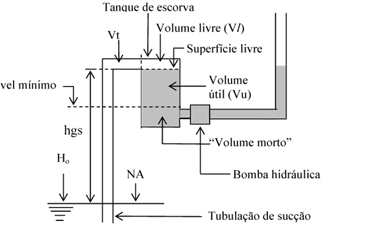
Os gravimetric methods They use the force of gravity to facilitate drainage. This technique is especially effective in systems where fluids can flow naturally into collection areas. For example, in storage tanks, proper bottom slope allows fluids to drain without the need for additional equipment. This approach is simple and cost-effective, but may be limited in applications where gravity is not sufficient to move fluids.
On the other hand, the pumping systems They are essential in situations where gravity drainage is not viable. These systems use pumps to move fluids from one point to another, ensuring they are removed efficiently. There are different types of pumps, such as diaphragm pumps, which are ideal for viscous liquids, and centrifugal bombs, which are more common in general drainage applications.
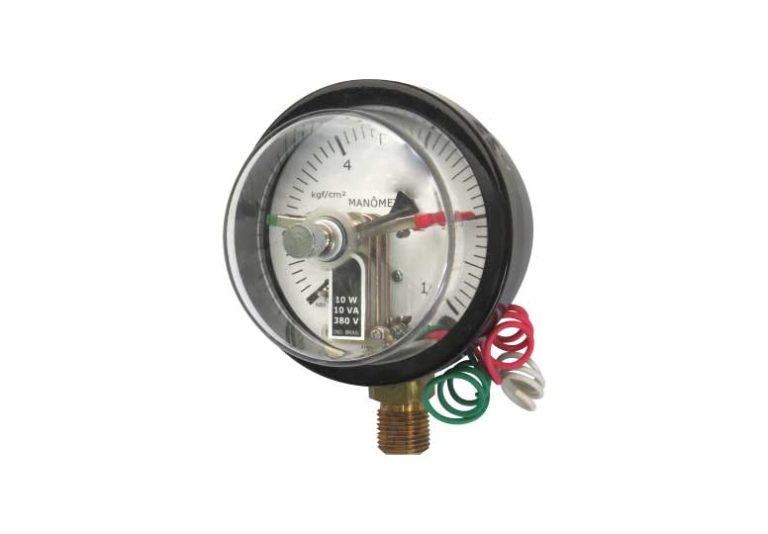
Furthermore, automation of these systems can further increase efficiency. With the use of sensors e controllers, it is possible to monitor the fluid level in real time and activate the pumps automatically when necessary. This not only improves efficiency, but also reduces the risk of overflows and other problems associated with inadequate drainage.
In summary, choosing the appropriate drainage technique depends on the characteristics of the fluid, the work environment and the specific needs of the operation. The combination of gravimetric methods and pumping systems can offer a robust and efficient solution for fluid drainage in industries.
Equipment for Fluid Drainage: Learn about the equipment most used in fluid drainage, such as pumps, valves and automation systems.
Os fluid drainage equipment play a crucial role in the efficiency and safety of industrial processes. Among the main equipment used, the following stand out: bombs, Valves e automation systems.
As bombs are essential for moving fluids from one point to another. There are several types of pumps, each suitable for different applications. To the diaphragm pumps They are ideal for viscous and abrasive liquids, as they offer high resistance and precise flow control. Already the centrifugal bombs They are widely used in general applications, where efficiency and the ability to move large volumes of liquid are required.
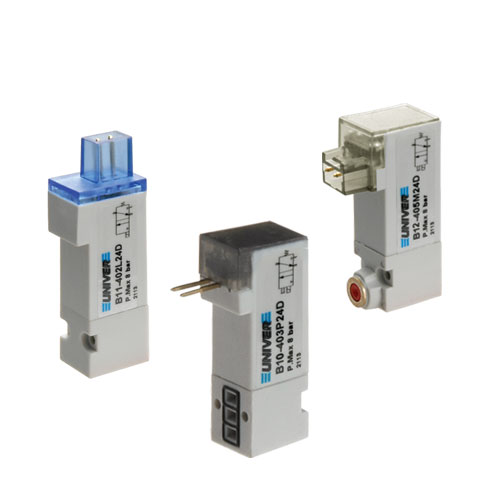
As Valves They are also fundamental components in drainage systems. They control the flow of fluids, allowing them to be directed to the desired locations. To the ball valves are popular for their sealing ability and ease of operation, while check valves prevent fluid backflow, ensuring the system operates efficiently.
In addition, the automation systems have become increasingly important in fluid drainage. With the use of sensors e electronic controllers, it is possible to monitor the fluid level in real time and activate the pumps and valves automatically. This not only improves system efficiency, but also reduces the risk of failures and accidents, ensuring safer operation.
In summary, choosing the appropriate equipment for fluid drainage is vital to optimizing industrial processes. The combination of pumps, valves and automation systems can provide a robust and efficient solution, meeting the specific needs of each operation.
Challenges and Solutions in Fluid Drainage: Identify the main challenges faced in fluid drainage and the solutions available to overcome them.
Fluid drainage has several challenges that can impact the efficiency and safety of industrial operations. One of the main challenges is the fluid accumulation in inappropriate areas, which can lead to overflows e contaminations. To overcome this problem, it is essential to implement well-designed drainage systems that include level sensors to continuously monitor the amount of fluid present.
Another significant challenge is the change in viscosity of fluids. More viscous fluids can make pumping and draining difficult, resulting in clogs e reduced efficiency of the system. The solution to this involves choosing suitable pumps which can handle different viscosities and the use of additives that can reduce viscosity when necessary.
In addition, the inadequate maintenance of drainage equipment can lead to operational failures. It is essential to establish a preventive maintenance program which includes regular inspections and the replacement of worn parts. This ensures that pumps and valves function correctly and reduces the risk of unscheduled downtime.
Finally, the compliance with environmental standards It's a constant challenge. Industries must ensure that fluid drainage does not cause negative impacts on the environment. To achieve this, it is important to implement filtering e effluent treatment before disposal, in addition to keeping detailed records of drainage operations.
In summary, meeting fluid drainage challenges requires careful planning, choosing appropriate equipment, and implementing rigorous maintenance and compliance practices.