Pressure measuring devices are essential tools in various industries, allowing you to monitor and control the pressure of fluids in pneumatic and hydraulic systems. In this article, we will cover the main types of devices, their applications and tips for selecting the most suitable equipment.
What is a Pressure Measuring Device? – Definition and basic functioning of pressure measuring devices.
One pressure measuring device is equipment designed to measure the pressure of gases or liquids in a system. These devices are fundamental in several industrial applications, as they ensure that processes operate within safe and efficient parameters.
The basic functioning of a pressure measuring device involves detecting the force exerted by a fluid on a specific area. This force is converted into a signal that can be read and interpreted. There are different technologies used for this conversion, such as gauge, transducers e Pressure Sensors.
Os gauge are the most common devices and work with a U-shaped tube or diaphragm that deforms under pressure. The deformation is then translated into a pressure reading on a calibrated scale.
Os transducers convert pressure into an electrical signal, which can be transmitted to control and monitoring systems. This technology allows for more accurate measurement and integration with automated systems.
Os Pressure Sensors are devices that detect changes in pressure and can be used in applications that require high precision. They are often used in process control systems and medical equipment.
In summary, pressure measuring devices are essential for ensuring safety and efficiency in a variety of industries, from petrochemicals to pharmaceuticals.
Types of Pressure Measuring Devices – Exploration of different types, such as pressure gauges, transducers and pressure sensors.
There are several types of pressure measuring devices, each with specific characteristics that make them suitable for different applications. Among the most common are the gauge, transducers e Pressure Sensors.
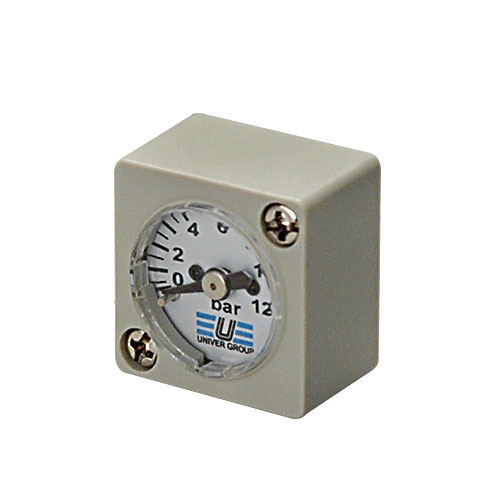
Os gauge are mechanical devices that measure pressure directly. They utilize a U-shaped tube or diaphragm that deforms in response to fluid pressure. This deformation is converted into a visual reading on a calibrated scale. Pressure gauges are widely used in industrial applications and in plumbing systems.
Os pressure transducers are electronic devices that convert pressure into an electrical signal. This conversion allows pressure to be monitored and controlled more precisely. Transducers are often used in automated systems where integration with controllers is required. They can be based on different technologies, such as piezoelectric or capacitive.
Os Pressure Sensors These are devices that detect variations in pressure and can provide real-time readings. They are used in applications that require high precision, such as medical equipment and critical industrial processes. Sensors can be analog or digital, depending on the need for integration with control systems.
Each type of device has its advantages and disadvantages. Choosing the appropriate device depends on factors such as the pressure range to be measured, the accuracy required and the operating environment. Therefore, it is essential to understand the characteristics of each type to select the most appropriate one for your application.
Applications of Pressure Measuring Devices – Analysis of the main industries and processes that use these devices.
Os pressure measuring devices They are widely used in various industries due to their importance in monitoring and controlling processes. Following are some of the main applications of these devices:
Petrochemical industry: In the petrochemical industry, pressure measuring devices are essential for monitoring pressure in reactors, pipelines and storage tanks. Measurement accuracy is crucial to ensure the safety and efficiency of chemical processes.
Food industry: In the food industry, pressure is monitored in processes such as pasteurization and packaging. Pressure measuring devices help ensure that products are processed under safe conditions and that food quality is maintained.
Pharmaceutical Sector: In the pharmaceutical sector, pressure measurement is vital in drug manufacturing and packaging processes. The accuracy and reliability of devices are fundamental to meeting strict quality and safety standards.
Automotive Sector: In the automotive industry, pressure measuring devices are used in brake, suspension and engine systems. Pressure monitoring is essential to ensure vehicle performance and safety.
Water treatment: In water treatment systems, pressure measurement is used to control the flow and distribution of water. Pressure measuring devices help optimize energy usage and ensure system efficiency.
These applications demonstrate the versatility and importance of pressure measuring devices in different industries. Choosing the appropriate device can directly impact the efficiency and safety of industrial processes.
How to Choose the Ideal Pressure Measuring Device – Tips and considerations for selecting the device best suited to your needs.
Choose the pressure measuring device ideal is fundamental to guarantee precision and efficiency in industrial processes. Here are some important tips and considerations:
1. Set the Pressure Range: Before choosing a device, it is essential to determine the pressure range that will be measured. This will help select a device that can operate within the required limits, avoiding damage or inaccurate readings.
2. Consider the Type of Fluid: The type of fluid to be measured (liquid or gas) and its characteristics (corrosivity, viscosity, temperature) influence the choice of device. For example, corrosive fluids may require specific materials to prevent equipment damage.
3. Precision and Accuracy: Assess the precision and accuracy required for the application. Devices with greater precision may be more expensive, but they are essential in critical processes where small variations can have large impacts.
4. Device Type: Choose from pressure gauges, transducers or pressure sensors depending on your specific application needs. Each type has unique characteristics that may be better suited to different situations.
5. Connectivity and Integration: Check whether the device can be easily integrated into existing control systems. Connectivity, such as analog or digital outputs, can facilitate automation and remote monitoring.
6. Standards and Certifications: Make sure the device meets the standards and certifications relevant to your industry. This ensures that the equipment is safe and reliable.
7. Support and Maintenance: Consider the availability of technical support and maintenance services. Good support can be crucial to resolving issues quickly and minimizing downtime.
By following these tips, you will be able to select the most suitable pressure measuring device for your needs, ensuring efficiency and safety in your processes.