Pneumatic control devices are essential for the automation of industrial processes, providing precise and efficient control in various applications. In this article, we'll explore its features, benefits and practical applications, as well as how to choose the ideal device for your needs.
1. What is a Pneumatic Control Device?
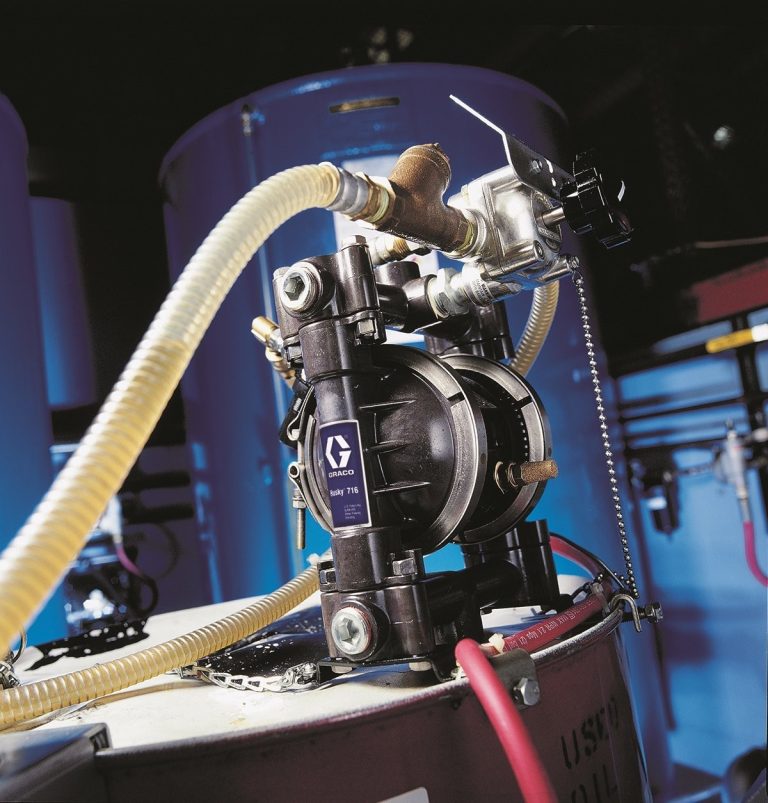
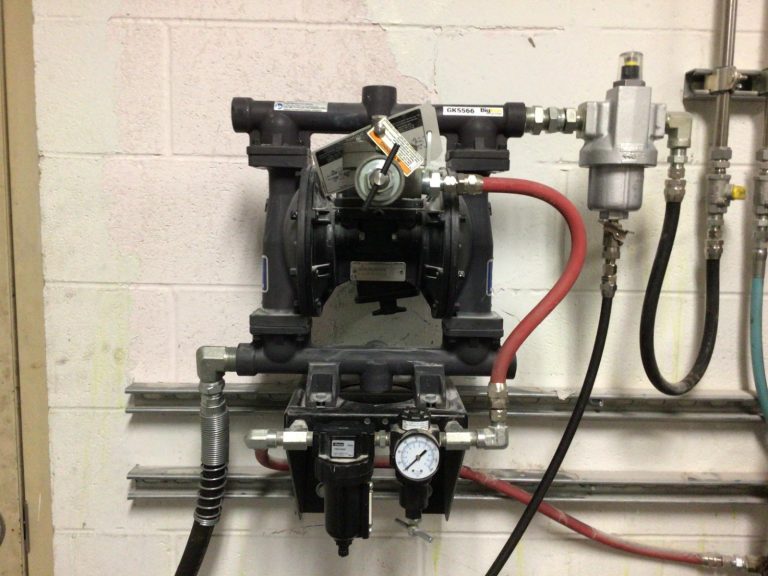
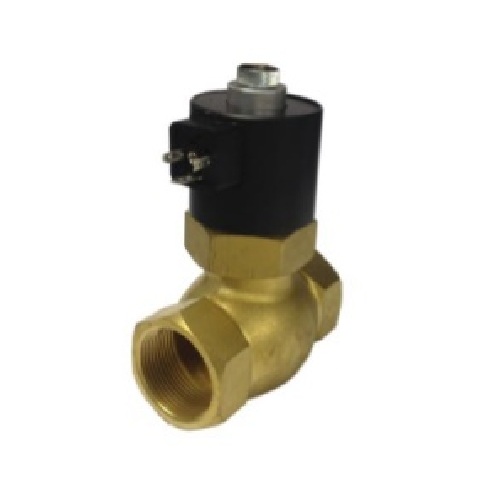
One pneumatic control device is equipment used to regulate and control the flow of compressed air in pneumatic systems. These devices are fundamental in several industrial applications, as they allow the automation of processes efficiently and precisely.
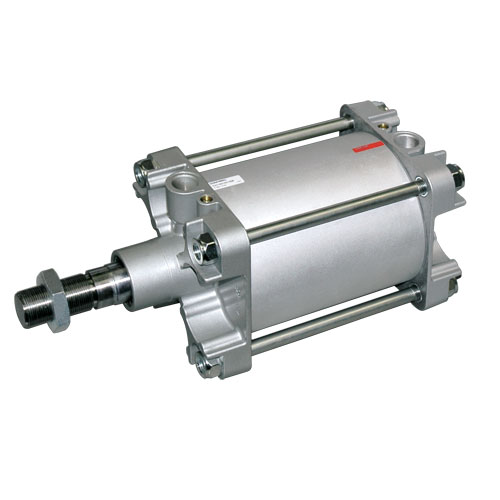
These devices work based on air pressure, which is used to activate valves, cylinders and other pneumatic components. When compressed air is directed at the device, it can open or close circuits, control the speed of movement, and even regulate the force applied in an operation.
Pneumatic control devices can vary in complexity, from simple control valves to more sophisticated systems that integrate sensors and actuators. Choosing the appropriate device depends on the specific needs of each application, such as operating pressure, type of fluid and required precision.
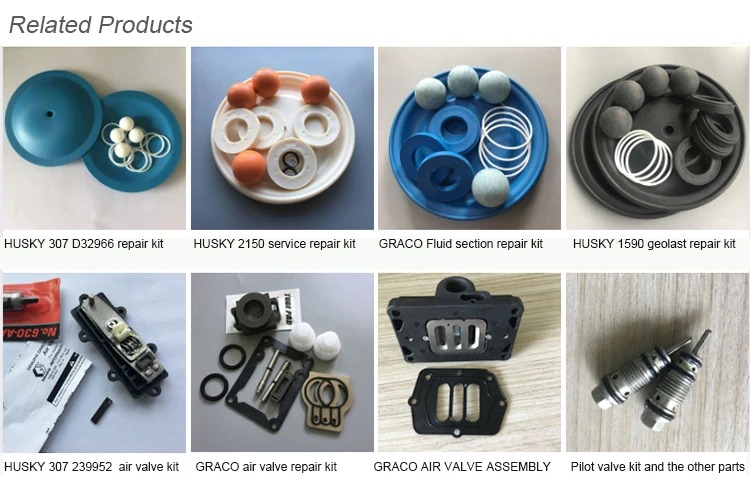
Furthermore, these devices are known for their durability and reliability, being able to operate in demanding industrial environments. Proper maintenance is essential to ensure the continuous and efficient operation of pneumatic systems.
2. Advantages of Using Pneumatic Devices in Industry
Os pneumatic devices offer several advantages that make them essential in industrial environments. One of the main advantages is the energy efficiency. These devices use compressed air, which is a clean and abundant source of energy. This reduces energy consumption compared to electrical systems, resulting in operational cost savings.
Another significant advantage is the Control precision. Pneumatic devices allow fine adjustments to pressure and air flow, which is crucial for applications that require high precision, such as assembling electronic components or painting surfaces.
A durability of pneumatic devices is also a strong point. They are designed to withstand harsh conditions such as high temperatures and humid environments, making them ideal for use in factories and heavy industries.
In addition, the ease of maintenance é uma característica importante. A maioria dos dispositivos pneumáticos requer manutenção mínima, e muitos problemas podem ser resolvidos rapidamente, o que reduz o tempo de inatividade e aumenta a produtividade.
Finally, the flexibility dos sistemas pneumáticos permite que sejam facilmente integrados a diferentes tipos de máquinas e processos. Isso possibilita a adaptação rápida a novas demandas de produção, tornando os dispositivos pneumáticos uma escolha inteligente para empresas que buscam inovação e eficiência.
3. Aplicações Comuns de Dispositivos de Controle Pneumático
Os dispositivos de controle pneumático They are widely used in various industries due to their versatility and efficiency. One of the most common applications is in Factory Automation, onde eles controlam máquinas e equipamentos, garantindo que os processos sejam realizados de forma precisa e rápida.
Another important application is in material handling. Pneumatic devices are used to move, push or pull heavy objects, facilitating work on assembly lines and increasing productivity. They are especially useful in industries such as packaging, where speed and accuracy are crucial.
Additionally, pneumatic devices are often used in transportation systems. They help move products between different production stages, optimizing workflow and reducing downtime. This is especially relevant in industries such as food and pharmaceuticals, where hygiene and efficiency are essential.
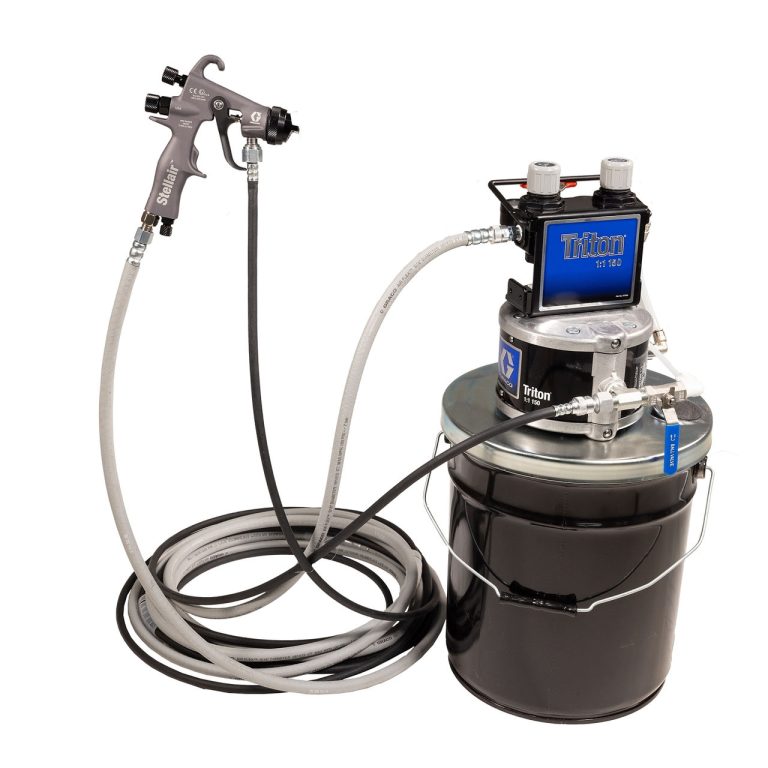
Os dispositivos de controle pneumático also play a fundamental role in painting equipment. They ensure uniform paint application, improving the quality of the finish and reducing material waste. This is vital in the automotive and furniture sectors where aesthetics are an important factor.
Finally, these devices are used in pressure control systems, where they monitor and regulate air pressure in different applications, ensuring the safety and efficiency of processes. This control capability is essential in industries that deal with pressurized gases and fluids.
4. How to Choose the Ideal Pneumatic Control Device
Choose the pneumatic control device ideal is crucial to guarantee the efficiency and effectiveness of industrial processes. To do this, it is important to consider some factors.
First, evaluate the operating pressure necessary. Each device has a specific pressure range, and choosing one that meets your system's needs is critical.
Another aspect to be considered is the Type of fluid that will be used. Make sure the device is compatible with the type of compressed air or gas you intend to use. This avoids corrosion problems and guarantees the durability of the equipment.
A flow capacity is also an important factor. Devices with inadequate flow capacity may result in poor performance. Therefore, it is essential to calculate the flow required for the specific application and choose a device that meets this demand.
Also, consider FACILITY OF INSTALLATION AND MAINTENANCE. Devices that are easy to install and maintain can save time and costs in the long run. Check whether the manufacturer offers technical support and adequate documentation to facilitate these processes.
Finally, the manufacturer's reputation It is a point to be evaluated. Opting for recognized brands on the market, such as Graco Inc. and Pneumax, can guarantee the quality and reliability of the device. Investing in a quality pneumatic control device is essential for the success of industrial operations.