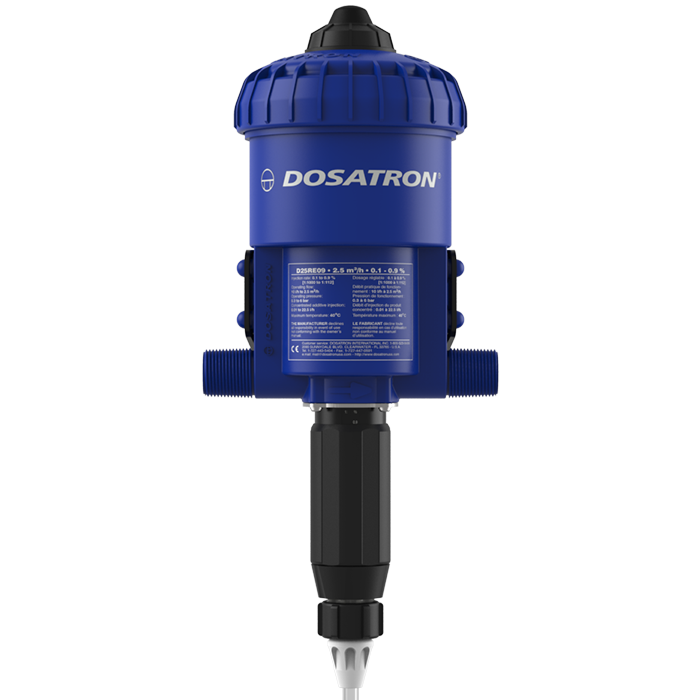
Flow control devices are essential in industrial automation systems, allowing precise regulation of the flow of liquids and gases. In this article, we will explore their applications, benefits, and the importance of choosing the right equipment for your needs.
1. What is a Flow Control Device?
One flow control device is equipment designed to regulate and monitor the flow of liquids or gases in industrial systems. These devices are essential to ensure that processes operate within the desired parameters, avoiding waste and ensuring safety. They can be used in a variety of applications, from water control in irrigation systems to gas regulation in chemical processes.
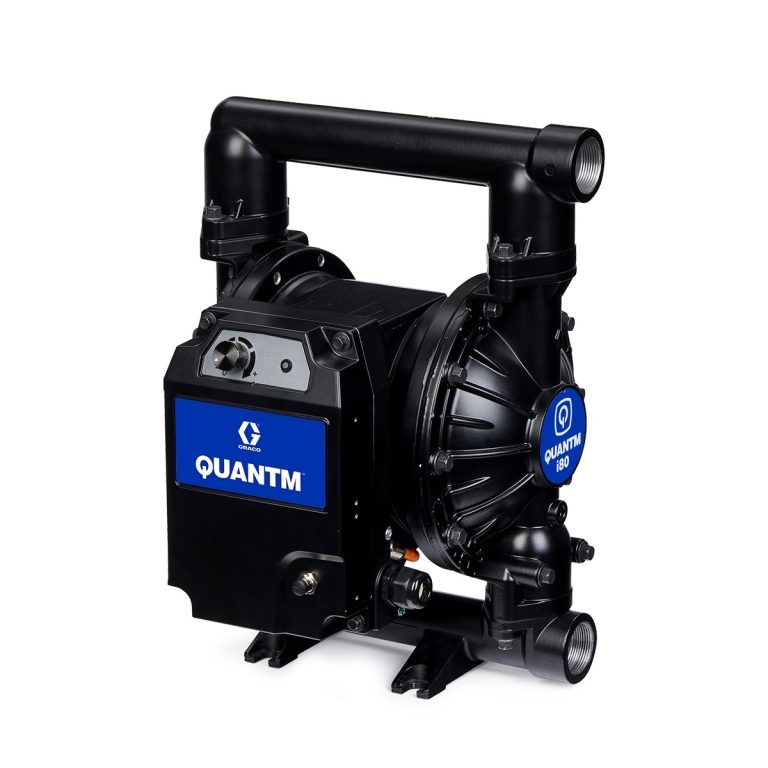
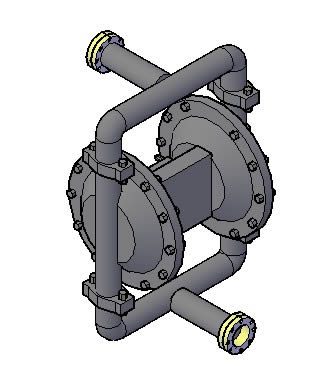
There are different types of flow control devices including Valves, flow meters e actuators. Each of these components plays a crucial role in process automation. For example, valves can be adjusted to open or close, allowing flow to be stopped or released as needed. Flow meters are used to monitor the amount of fluid passing through a given point, providing essential data for the efficient operation of the system.
Furthermore, the integration of these devices into automation systems allows for more precise and efficient control. This means that, by using a flow control device, companies can optimize their processes, reduce costs and improve the quality of final products.
2. Industrial Applications
Os flow control devices They have a wide range of industrial applications, being essential in several sectors. One of the main uses is in chemical industry, where it is crucial to control the amount of reactants entering a process. This ensures that reactions occur efficiently and safely, avoiding waste and the risk of accidents.
Na food industry, these devices are used to regulate the flow of ingredients during production. This not only improves efficiency but also ensures that final products meet quality standards. For example, precisely controlling water flow in washing and preparation processes is vital to food safety.
Another sector that benefits significantly is energy. In power plants, flow control devices are used to manage the flow of steam and water, optimizing electricity generation. This is especially important in cooling systems, where flow efficiency can directly impact energy production.
Also, in petrochemical industry, these devices help monitor and control the flow of oil and its derivatives, ensuring that operations are carried out safely and efficiently. Automating these processes not only increases productivity, but also minimizes the risk of leaks and other environmental problems.
In summary, the applications of flow control devices are diverse and directly impact process efficiency and safety in various industries. Choosing the right device can make a big difference in the operation of an industrial plant.
3. Benefits of Automation with Flow Control
A automation with flow control brings several benefits to industrial operations. One of the main ones is the operational efficiency. With automatic devices, it is possible to regulate the flow of liquids and gases precisely, reducing waste and improving the use of resources. This translates into cost savings and increased productivity.
Another important benefit is the security. Automated systems can continuously monitor operating conditions, detecting anomalies and adjusting flow as needed. This minimizes the risk of accidents and ensures that processes are carried out within safe limits.
A Product Quality it is also improved with automation. With precise flow control, it is possible to ensure that ingredient proportions are always correct, resulting in high-quality final products. This is especially relevant in industries such as food and pharmaceuticals, where consistency is crucial.
In addition, automation allows a better traceability of the processes. With flow control systems integrated into management software, it is possible to record data in real time, facilitating audits and ensuring compliance with regulatory standards. This is vital for companies that need to meet rigorous quality and safety standards.
Finally, automation with flow control contributes to sustainability. By optimizing the use of resources and reducing waste, companies can reduce their environmental impact. This not only meets regulatory demands, but also improves the company's image among increasingly conscious consumers.
4. How to Choose the Ideal Device
Choose the flow control device ideal is a task that requires attention to several factors. Firstly, it is important to consider the Type of fluid that will be controlled. Different fluids, such as viscous liquids, gases or vapors, may require specific devices to ensure adequate performance.
Another aspect to be evaluated is the flow range necessary. It is essential that the chosen device is capable of operating within the flow limits required by the application. Devices that do not meet this need can result in inefficiencies and even system failures.
A pressure and temperature of the system are also crucial factors. Each device has specifications that determine maximum operating conditions. Therefore, it is essential to ensure that the selected device can withstand the conditions of the environment in which it will be installed.
In addition, the ease of maintenance must be considered. Devices that allow easy access for inspection and maintenance tend to reduce downtime and operating costs. Check whether the manufacturer offers technical support and affordable replacement parts.
Finally, it is recommended to analyze the manufacturer's reputation. Choose recognized brands on the market, such as Graco Inc. e Pneumax, can guarantee greater reliability and quality in device performance. Investing in a quality product can result in long-term savings and greater safety in operations.