Pressure control is a fundamental practice in several industries, ensuring the safety and efficiency of processes. In this article, we will explore the main applications, technologies involved and the importance of a suitable pressure control system.
1. What is Pressure Control?
Pressure control refers to the process of monitoring and regulating pressure in industrial systems. This control is essential to ensure that equipment operates within safe and efficient limits. Pressure is a measure of the force exerted by a fluid in a specific area and can directly affect the performance of machines and processes.
There are different methods to perform pressure control, including the use of Pressure Sensors, which detect the current pressure and send this information to a control system. This system can be manual or automatic, depending on the complexity of the operation. In automatic systems, sensor data is used to adjust valves and pumps, maintaining the desired pressure.
Furthermore, pressure control is crucial in applications involving gases and liquids, such as in manufacturing processes. industrial, where adequate pressure guarantees uniform coverage and avoids waste. In systems of fluid transport, pressure control helps prevent leaks and equipment failures.
Therefore, understanding what pressure control is and how it works is essential for any professional working in industrial environments, as this directly impacts the safety and efficiency of operations.
2. Importance of Pressure Control in Industry
A importance of pressure control in the industry cannot be underestimated. This process is essential to ensure the security and a efficiency operations.
When pressure in a system is not properly controlled, it can result in catastrophic failures, such as explosions or leaks, which can cause significant damage to equipment and safety risks to workers.
Furthermore, pressure control is essential to optimize the performance of industrial processes. Maintaining pressure at optimal levels allows machines to run more efficiently, reducing energy consumption and increasing productivity.
For example, in systems paint, the correct pressure ensures uniform application, avoiding material waste and improving the quality of the final product.
Another important aspect is the regulatory compliance. Many industries are required to follow rules and regulations that require constant pressure monitoring. Failure to comply with these standards can result in fines and sanctions, in addition to compromising the company's reputation.
Therefore, pressure control is an indispensable practice that not only protects the company's assets, but also contributes to the sustainability and a competitiveness not market.
Investing in pressure control systems is, therefore, a strategic decision for any industrial operation.
3. Technologies Used in Pressure Control
As technologies used in pressure control They are diverse and have evolved significantly over the years. One of the main technologies is Pressure Sensors, which are devices that measure the pressure of gases or liquids in a system. These sensors can be analog or digital and are essential for providing accurate pressure data in real time.
Another important component is the pressure controller, which receives data from sensors and automatically adjusts valves and pumps to maintain the desired pressure. These controllers can be programmable, allowing operators to set specific parameters for different operating conditions.
In addition, the control valves play a crucial role in the pressure control system. They regulate the flow of fluids and are triggered by controllers to open or close as needed. Valves can be electric, pneumatic or hydraulic, depending on the application and type of system.
The technologies of industrial automation They are also widely used in pressure control. Automation systems allow the integration of sensors, controllers and valves into a network, enabling centralized monitoring and control. This increases the efficiency and safety of operations, reducing the need for manual intervention.
Finally, the internet of things (IoT) is starting to be applied to pressure control, allowing data to be sent to the cloud and accessed remotely. This facilitates data analysis and predictive maintenance, helping companies avoid failures and optimize processes.
4. Practical Applications of Pressure Control
As practical applications of pressure control are broad and varied, covering different industrial sectors. A significant example is in petrochemical industry, where pressure control is crucial to the safe processing of oil and gas. In these environments, pressure must be constantly monitored to avoid explosions and leaks, ensuring the safety of workers and the integrity of the facilities.
Na food industry, pressure control is used in packaging and processing systems. Adequate pressure is necessary to ensure products are packaged safely, preventing contamination and extending the shelf life of the food. Furthermore, in pasteurization processes, pressure is controlled to ensure that food is treated effectively.
Another example is in pharmaceutical, where pressure control is essential for the production of medicines. Pressure must be maintained at specific levels during manufacturing to ensure the quality and effectiveness of the products. Pressure control systems help to avoid variations that could compromise the safety of medications.
Also, in HVAC systems (heating, ventilation and air conditioning), pressure control is used to regulate air flow and ensure energy efficiency. This is especially important in large commercial buildings, where maintaining adequate pressure can directly impact occupant comfort and system efficiency.
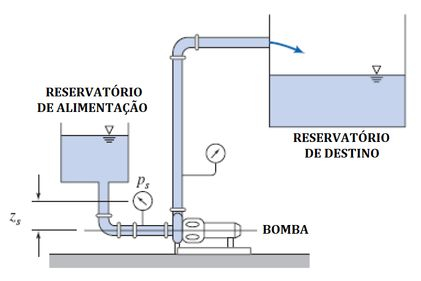
Finally, pressure control is also applied to fluid transport systems, such as water and sewage pipes. Pressure must be monitored to prevent ruptures and ensure fluids are transported efficiently and safely.