Diaphragm pumps are versatile and efficient devices that use a flexible diaphragm to move fluids. They are widely used in chemical, food and pharmaceutical industries, offering advantages such as leak-free operation, ease of maintenance and the ability to handle corrosive and viscous fluids.
Have you ever asked yourself how does one work bomba the diaphragm? These devices are fascinating and play a crucial role in various industrial and domestic applications. In this post, we will unveil the operating principle, its applications and how to care for them to ensure efficiency and durability. Come and discover this incredible equipment that can make all the difference in several situations!
What is a diaphragm pump?
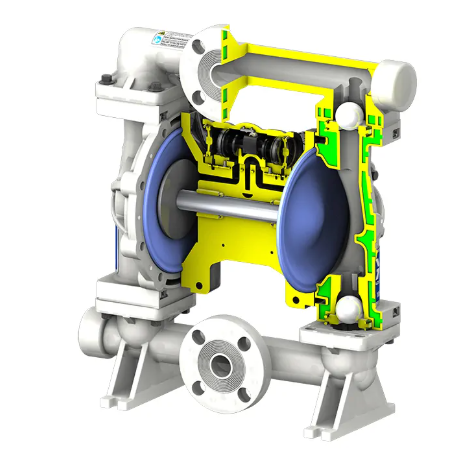
One diaphragm pump is a pumping device that uses a flexible diaphragm to move fluids. This type of pump is widely used in various industries due to its efficiency and versatility. The basic operation involves the movement of the diaphragm, which creates a variation in pressure, allowing the fluid to be sucked in and expelled.
Diaphragm pumps are known for their ability to handle viscous, corrosive fluids and even suspended solids. This makes them ideal for applications in sectors such as chemical, pharmaceutical, food and water treatment.
Furthermore, these pumps can be driven by compressed air or electricity, offering flexibility in choosing the type of energy to be used. Robust construction and the ability to operate in adverse conditions are features that ensure the reliability of diaphragm pumps in industrial environments.
Diaphragm pump working principle
O diaphragm pump working principle It is based on the movement of a flexible diaphragm that alternates between two chambers. When the diaphragm moves downward, it creates negative pressure in the suction chamber, allowing fluid to be sucked in. Then, as the diaphragm moves upward, it presses the fluid out of the pump, creating positive pressure.
This cycle of motion is repeated continuously, allowing the pump to maintain a constant flow of fluid. Diaphragm pumps can be driven by compressed air or electricity, depending on the model and application. This flexibility makes them suitable for a wide range of fluids, including those that are corrosive or viscous.
Additionally, diaphragm pumps are designed to prevent leaks, which is crucial in applications where fluid contamination is a concern. The use of tough materials and rugged construction ensure these pumps operate reliably in challenging environments.
Applications of diaphragm pumps
As diaphragm pump applications are vast and varied, making them a popular choice in many industries. These pumps are often used in chemical and petrochemical industries to transfer corrosive and viscous fluids. Their ability to handle a wide range of fluids makes them ideal for transporting chemicals, solvents and even sludge.
In the food sector, diaphragm pumps are used to pump ingredients such as sauces, syrups and other food liquids. The sanitary construction of these pumps ensures that products remain free from contamination, meeting strict food safety standards.
Additionally, diaphragm pumps are widely employed in water and sewage treatment systems, where they are used to move sludge and other waste. Their efficiency and reliability in adverse conditions make them essential to ensure the continuous operation of these systems.
Another important use is in the pharmaceutical industry, where diaphragm pumps are used to pump liquids in drug manufacturing processes. Precision and the ability to prevent leaks are crucial in this sector, where quality and safety are paramount.
Advantages of diaphragm pumps
As advantages of diaphragm pumps are diverse, making them a popular choice in various industrial applications. One of the main advantages is their ability to handle viscous and corrosive fluids, which makes them ideal for sectors such as chemicals and food. These pumps are designed to prevent leaks, ensuring the integrity of the fluid and the safety of the working environment.
Another significant advantage is its versatility. Diaphragm pumps can be driven by compressed air or electricity, allowing them to be used in a wide range of applications. Furthermore, they can operate in adverse conditions, such as high temperatures and pressures, without compromising performance.
Maintenance of diaphragm pumps is relatively simple, which contributes to reduced operating costs. Changing parts, such as diaphragms and valves, can be done quickly, minimizing downtime.
Furthermore, these pumps offer a constant and controlled flow, which is essential in processes that require precision. This makes them ideal for applications that require accurate dosing of fluids, such as in the pharmaceutical and cosmetics industries.
Maintenance and care of diaphragm pumps
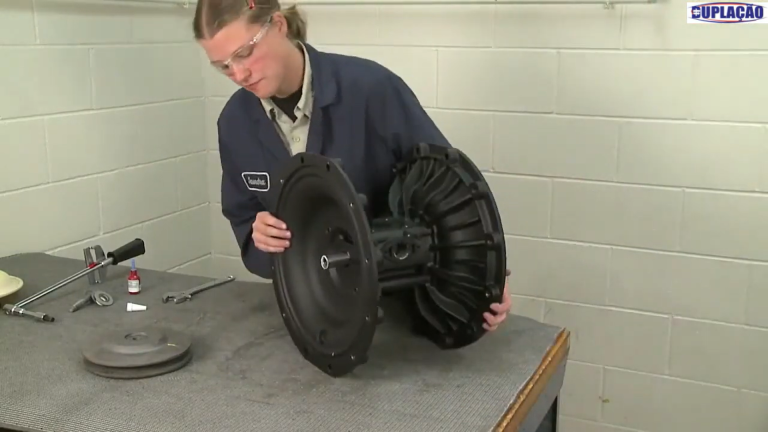
A maintenance and care of diaphragm pumps are essential to guarantee the performance and longevity of this equipment. The first step in maintenance is to perform regular inspections to check for signs of wear, such as cracks in the diaphragm or leaking connections. These problems, if left untreated, can lead to pump failures.
It is also important to clean the pumps periodically, especially if they are handling fluids that can leave residue. Cleaning helps prevent clogs and ensures the pump operates efficiently. Use suitable cleaning products and follow the manufacturer's recommendations to avoid damaging the components.
The diaphragm and valves must be replaced according to the manufacturer's guidelines, generally at regular intervals or when there are signs of wear. The use of original spare parts is recommended to ensure pump compatibility and efficiency.
Additionally, it is advisable to keep a maintenance log, documenting all inspections, cleanings and parts changes. This not only helps monitor the condition of the pump, but can also be useful in identifying wear patterns and predicting future maintenance.
Final Thoughts on Diaphragm Pumps
Diaphragm pumps are versatile and efficient equipment, essential in several industries. Understanding its operation, applications and advantages is essential to make the most of its capabilities.
Proper maintenance and regular care ensures these pumps operate reliably and safely. By following best practices, you can extend the life of your equipment and avoid problems that could interrupt production.
Investing in quality diaphragm pumps, such as those offered by Dupulação, is a smart decision for any business that seeks efficiency and safety in its processes.
FAQ – Diaphragm Pumps Frequently Asked Questions
What is a diaphragm pump?
A diaphragm pump is a device that uses a flexible diaphragm to move fluids, and is widely used in various industries.
What are the main applications of diaphragm pumps?
Diaphragm pumps are used in chemical, food, pharmaceutical and water treatment industries due to their versatility and ability to handle corrosive fluids.
What are the advantages of diaphragm pumps?
Key advantages include the ability to handle viscous fluids, leak-free operation, ease of maintenance and a constant, controlled flow.
How can I maintain a diaphragm pump?
Maintenance involves regular inspections, cleaning, changing diaphragms and valves as needed, and keeping a record of maintenance activities.
Are diaphragm pumps safe for food use?
Yes, diaphragm pumps can be constructed from sanitary materials, ensuring food products remain free from contamination.
How long do diaphragm pumps last?
Durability depends on use and maintenance, but with proper care, diaphragm pumps can operate efficiently for many years.