Pressure connections are essential components in pneumatic systems, ensuring integrity and efficiency in the transmission of compressed air. In this article, we will cover the main types of pressure connections, their applications and tips for choosing the right one, aiming to optimize the performance of your equipment.
What are pressure connections? Definition and importance of pressure connections in pneumatic systems.
What are pressure connections? Pressure connections are fundamental components in pneumatic systems, used to join different parts of a pneumatic circuit. They ensure the sealing and integrity of the system, allowing compressed air to flow efficiently. These connections are designed to withstand high pressures and are essential to prevent leaks, which can compromise system performance.
Definition and importance of pressure connections in pneumatic systems: A pressure fitting is a device that connects tubes, hoses or other components in a pneumatic system. Its main function is to ensure that compressed air is transported safely and efficiently, minimizing pressure losses. The importance of these connections lies in their ability to maintain system efficiency, ensuring that energy is used optimally. Furthermore, well-designed pressure connections contribute to operational safety, preventing accidents and damage to equipment.
Types of pressure connections: There are several types of pressure connections available on the market, each with specific characteristics. Among the most common types are threaded connections, which use threads to join components, and quick connections, which allow agile assembly and disassembly. Pressure connections can also be classified into metallic and plastic, depending on the material used. Metallic ones are more durable and resistant to high pressure, while plastic ones are lighter and can be used in lower pressure applications.
Applications of pressure connections: Pressure fittings are widely used in various industries such as automotive, food, pharmaceutical and manufacturing. They are essential in automation systems where precise air flow control is required. Furthermore, they are used in painting equipment, pneumatic transport systems and in machines that depend on compressed air to operate.
How to choose the ideal pressure connection: To select the most suitable pressure connection, it is important to consider factors such as operating pressure, the type of fluid that will be transported and environmental conditions. Also check the compatibility of materials, as this may affect the durability and security of the connection. Furthermore, it is recommended to consult the manufacturer's specifications and, if necessary, seek advice from an expert to ensure the correct choice.
Types of pressure connections. Exploration of the different types of pressure connections available on the market and their characteristics.
Types of pressure connections: There are several types of pressure connections available on the market, each designed to meet specific needs in pneumatic systems.
Among the most common types, the following stand out: threaded connections, which use internal or external threads to join components. These fittings are known for their robustness and ability to withstand high pressures.
Another popular type is quick connect, which allows assembly and disassembly without the need for tools. This type is ideal for applications that require frequent component replacement.
Plug-in connections They are also widely used, offering a practical and efficient solution for joining tubes and hoses. They guarantee a secure seal and are easy to install.
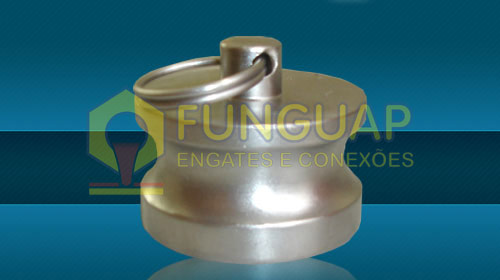
Compression connections are another option, where a compression ring is used to seal the joint, providing an effective seal.
In addition, the plastic connections They are a lightweight and economical alternative, often used in low pressure applications. On the other hand, the metal connections They are preferred in environments that require greater resistance and durability.
It is important to consider the characteristics of each type of connection, such as maximum supported pressure, compatibility with fluids and environmental conditions, to ensure the appropriate choice for each application.
Applications of pressure connections. Analysis of the main applications of pressure connections in industries and processes.
Applications of pressure connections: Pressure connections play a crucial role in several industries, being essential for the efficient functioning of pneumatic systems.
Na automotive industry, for example, these connections are used in braking and suspension systems, where precision and safety are fundamental.
Also, in assembly lines, pressure connections ensure that compressed air is transported effectively, allowing pneumatic tools and automated equipment to operate.
Na food industry, pressure connections are used in product transport systems, ensuring that compressed air does not contaminate food.
Me pharmaceutical, these connections are vital for the production of medicines, where air purity is essential.
Another example is the painting industry, where pressure connections are used in spray guns, ensuring a uniform and efficient application.
Em industrial machinery, pressure connections are essential for the operation of pneumatic cylinders, which perform precise and controlled movements.
Therefore, the correct choice of pressure connections is vital to ensure efficiency and safety in various industrial applications.
How to choose the ideal pressure connection. Tips and considerations for selecting the most suitable pressure connection for your needs.
How to choose the ideal pressure connection: Choosing the correct pressure connection is essential to guarantee the efficiency and safety of the pneumatic system.
First, it is important to consider the operating pressure of the system. Each connection type has a maximum pressure it can withstand, and choosing an inappropriate connection can result in failures and leaks.
Furthermore, one must evaluate the Type of fluid that will be transported. Connections made of incompatible materials can cause corrosion and premature failure.
Another factor to consider is the operating temperature, as some connections are designed to withstand extreme temperatures, while others may not be suitable.
A ease of installation is also an important aspect. Quick connections, for example, allow for agile assembly and disassembly, which can be advantageous in applications that require frequent maintenance.
In addition, the compatibility with existing system must be checked. This includes the diameter of the pipes and hoses, as well as the thread type, if applicable.
Finally, it is recommended to consult the manufacturer's specifications and, if necessary, seek advice from an expert to ensure that the chosen connection meets all the system's needs.